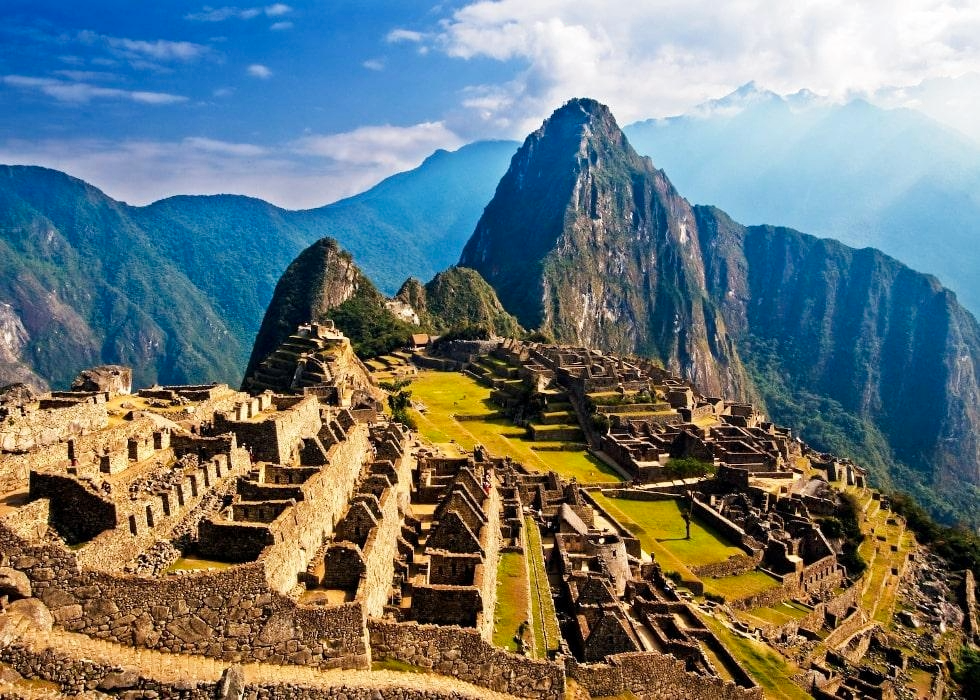
The Lost City Above The Clouds
What If The Sky Became The Stage?
There are places that impress us with their beauty.
There are places that amaze us with their history.
And there are places that make us question how human beings achieved the impossible.
Machu Picchu belongs to all three.
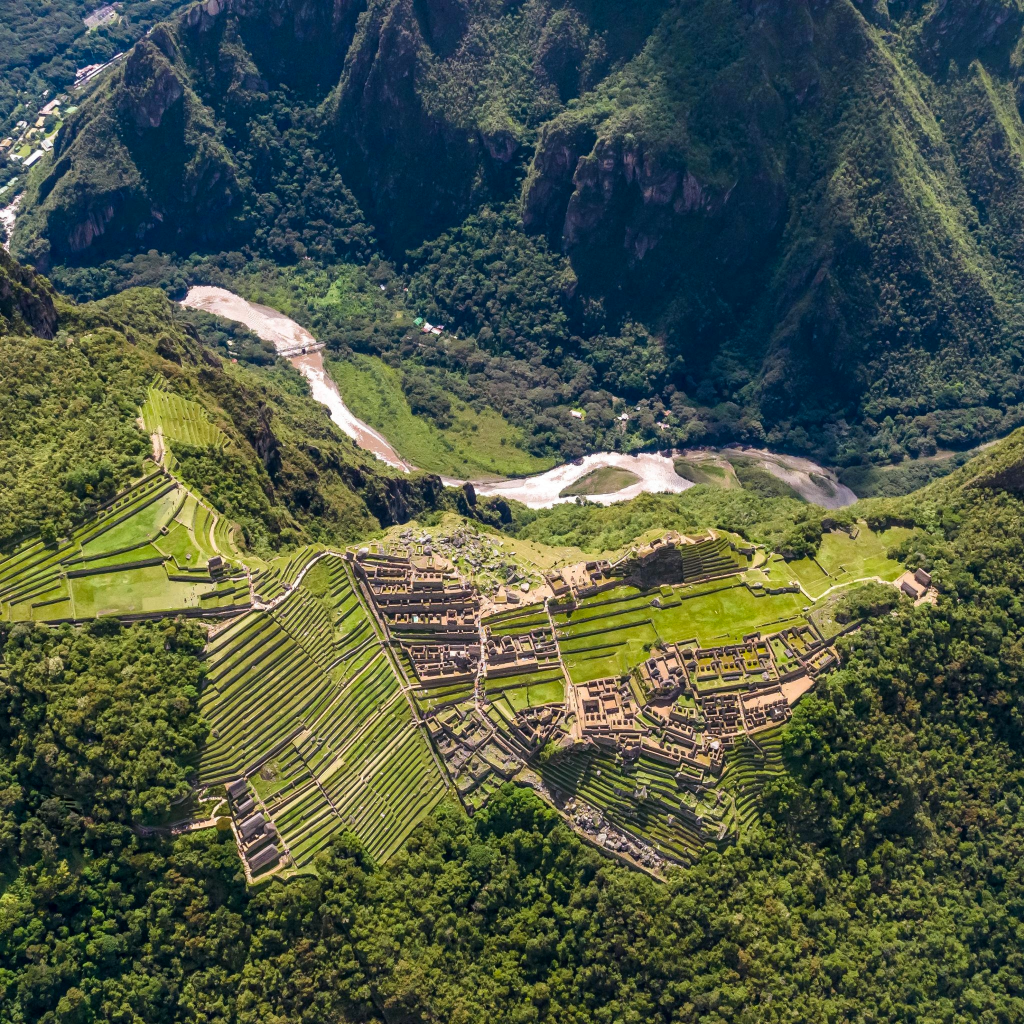
High above the Sacred Valley of Peru, hidden among the peaks of the Andes Mountains, stands one of the world’s most extraordinary archaeological sites.
Often called the Lost City of the Incas, Machu Picchu continues to inspire millions of visitors every year.
It is not simply a destination.
It is an experience.
When clouds slowly drift across the ancient stone terraces, time seems to disappear.
The modern world fades away.
Only mountains, sky, and history remain.
Whenever I see Machu Picchu, I imagine something beyond tourism.
I imagine a stage.
Not a stage built with steel and technology.
A stage created by nature itself.
A Civilization Above The Clouds
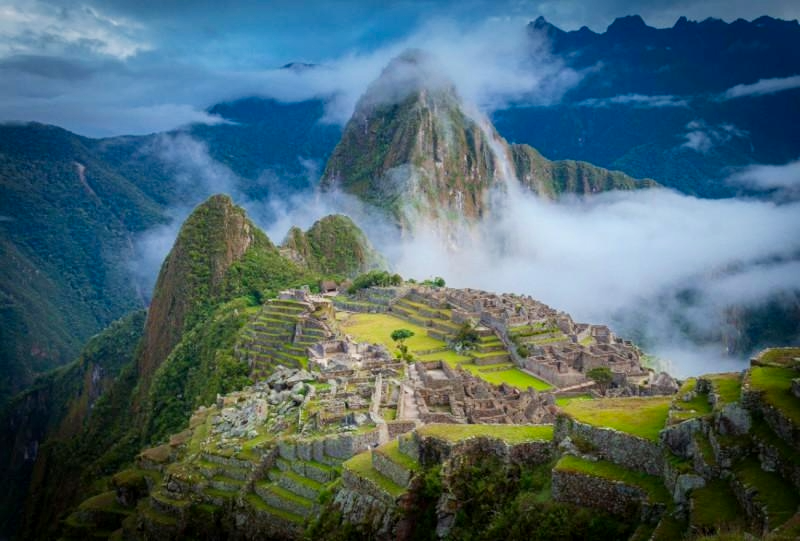
Unlike many ancient cities built on rivers or open plains, Machu Picchu was constructed nearly 2,430 meters above sea level.
The Incas achieved something extraordinary.
Without modern machinery, they shaped stone with remarkable precision and created a city that has survived earthquakes, harsh weather, and centuries of change.
Its terraces, temples, and astronomical structures reveal a civilization deeply connected to both nature and the cosmos.
Nothing appears accidental.
Every stone feels intentional.
Every pathway follows the landscape rather than fighting against it.
That harmony may be Machu Picchu’s greatest lesson.
Great architecture does not conquer nature.
It works with it.
The City That Disappeared
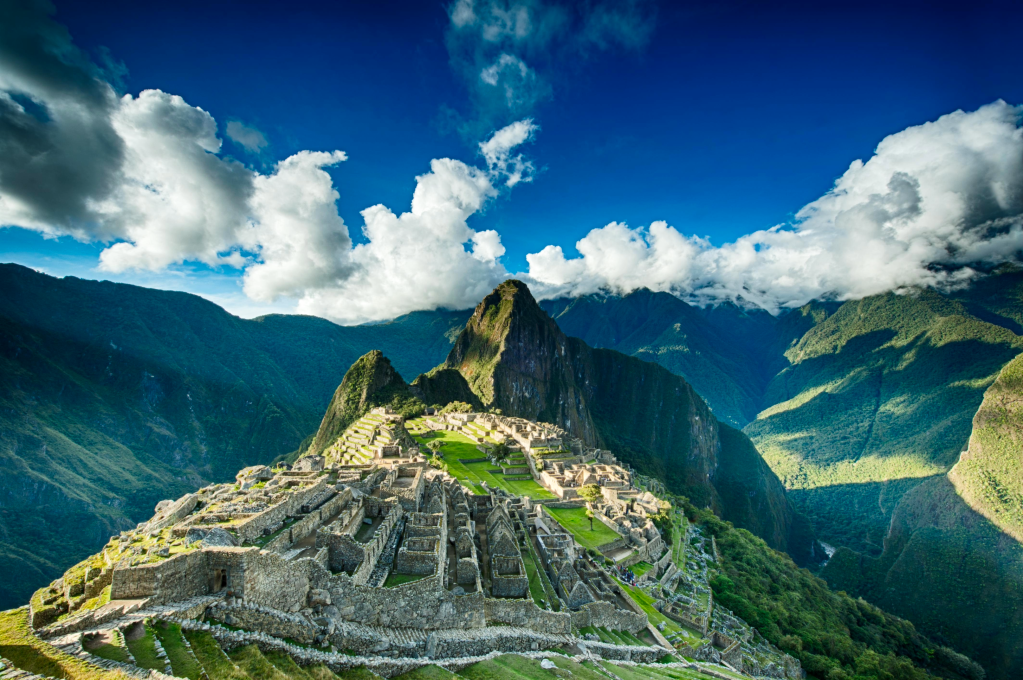
When the Spanish arrived in South America, Machu Picchu remained hidden among the mountains.
Unlike many other Inca cities, it escaped destruction because it was never discovered by the conquistadors.
For centuries, the city rested quietly above the clouds.
Then, in 1911, explorer Hiram Bingham introduced Machu Picchu to the wider world.
Since then, it has become one of humanity’s most treasured cultural sites.
Yet despite global recognition, it still feels mysterious.
Visitors often describe the same feeling.
It is not simply beautiful.
It is peaceful.
If I Were The Creative Director
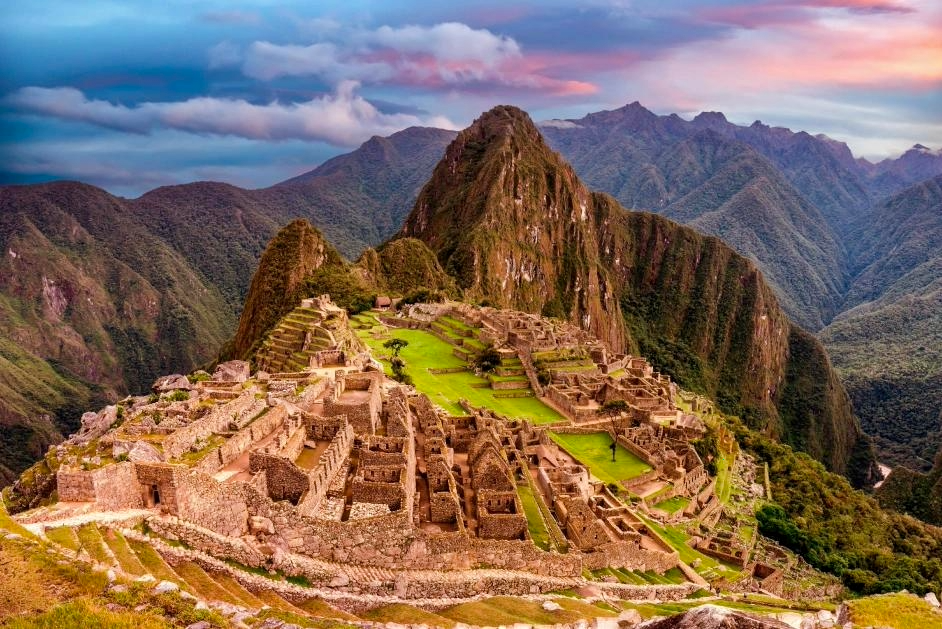
If I were invited to create a media art experience at Machu Picchu, I would begin before sunrise.
Darkness would cover the mountains.
Clouds would slowly move through the valley.
The first light would not come from projectors.
It would come from the rising sun.
Only after nature completed its own performance would technology gently begin.
Soft beams of light would follow the ancient stone pathways.
Golden lines would connect the terraces.
Constellations known to the Inca civilization would slowly appear across the night sky.
The Temple of the Sun would glow as if welcoming another dawn.
There would be no overwhelming spectacle.
Only atmosphere.
Only silence.
Only wonder.
Visitors would not feel as though they were watching a show.
They would feel as though they had stepped inside history.
Nature Is The Greatest Artist
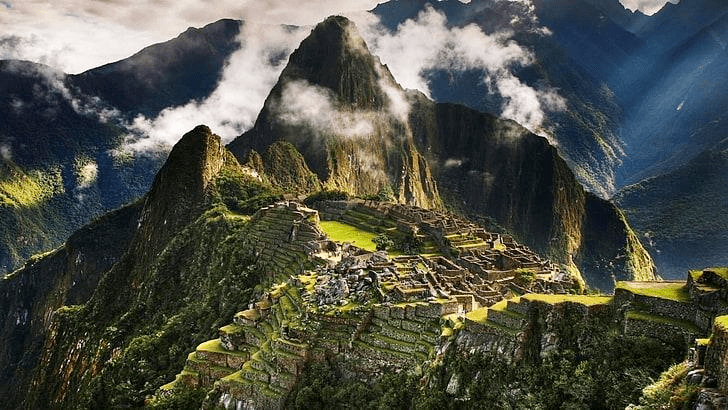
Throughout my career in immersive entertainment and projection mapping, I have learned one important lesson.
Technology should never compete with extraordinary places.
Nature is already the greatest artist.
The role of media art is to reveal emotion, not to replace it.
Machu Picchu already possesses the perfect stage.
Clouds.
Mountains.
Stone.
Wind.
Sunlight.
The experience already exists.
Technology simply helps us notice it more deeply.
The Future Of Cultural Tourism
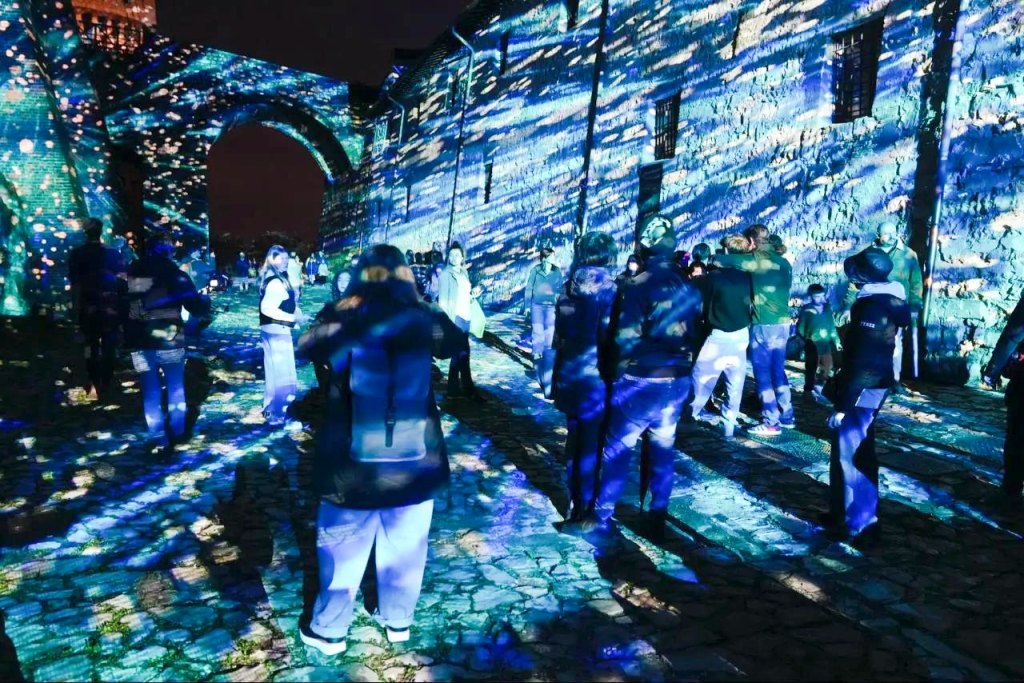
The future of travel is no longer about collecting photographs.
It is about collecting emotions.
People remember how places make them feel.
That is why immersive cultural experiences are becoming increasingly important around the world.
History alone attracts visitors.
Emotion makes them return.
Machu Picchu demonstrates that the greatest destinations are those where nature, culture, and storytelling become one.
IMMERSIVE LAB Perspective
The Taj Mahal tells the story of love.
The Great Pyramid tells the story of mystery.
Angkor Wat tells the story of mythology.
Petra tells the story of a lost civilization.
The Great Wall tells the story of history.
Machu Picchu tells the story of harmony.
Harmony between people and mountains.
Between architecture and landscape.
Between history and imagination.
Perhaps the greatest immersive experience is not created by technology at all.
Perhaps it already exists above the clouds.
Our responsibility is simply to experience it with greater wonder.
 IMMERSIVE LAB
댓글 남기기