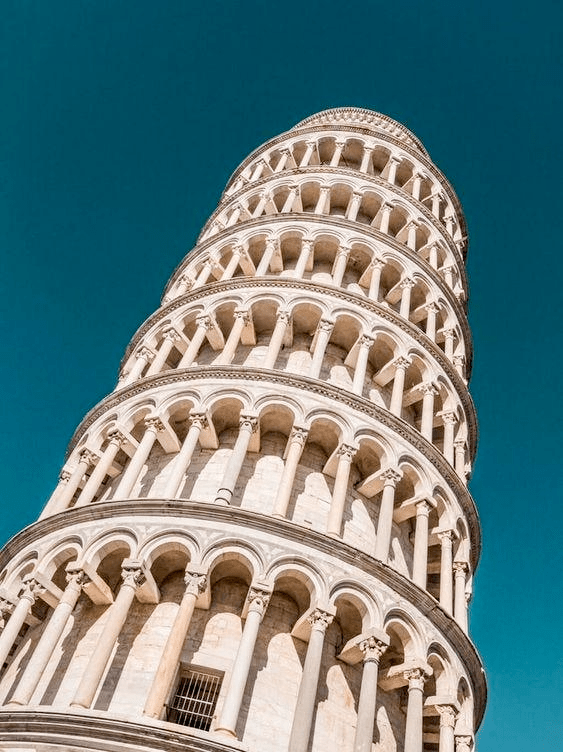
Pisa Beyond Gravity
Why Imperfection Became One of the World’s Greatest Landmarks
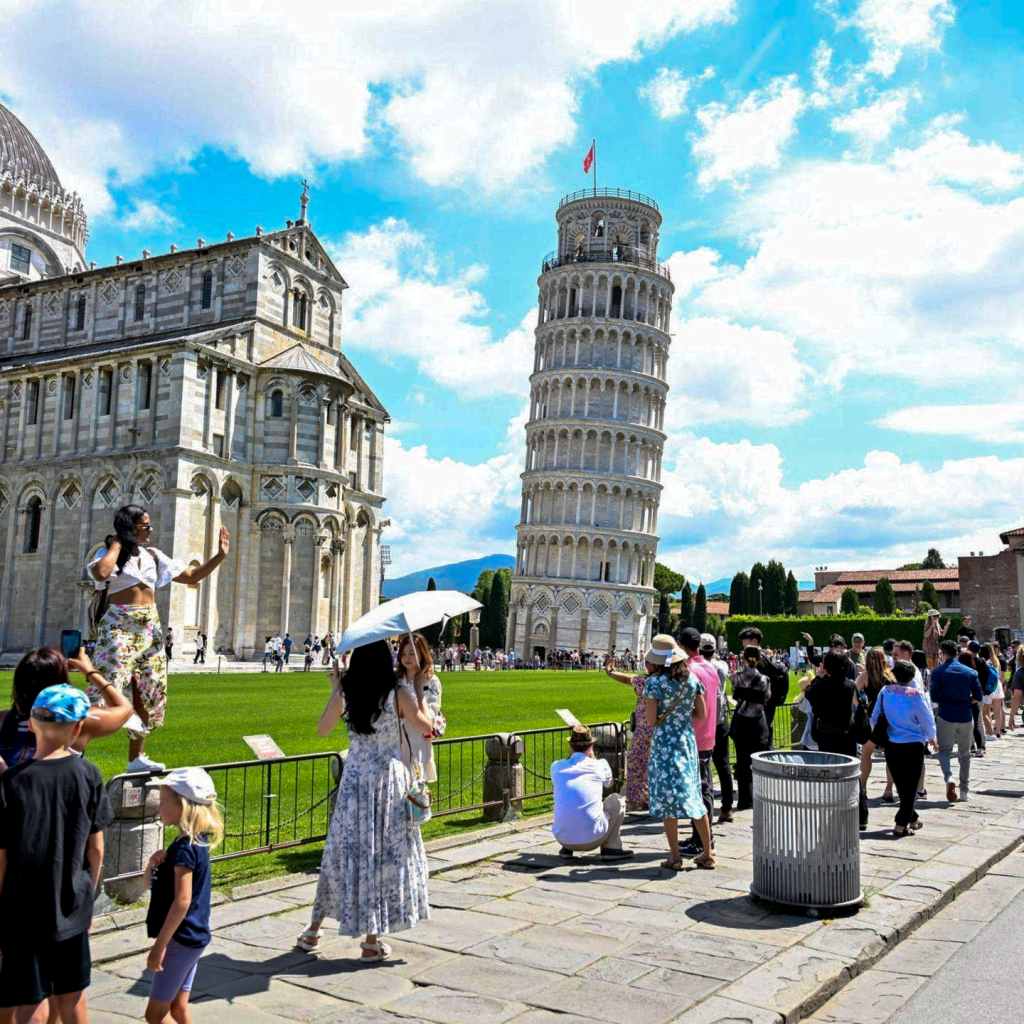
Some landmarks are admired because they are perfect.
Others are remembered because they changed history.
The Leaning Tower of Pisa became famous for a very different reason.
It was never intended to lean.
When construction began in 1173, the builders dreamed of creating a magnificent bell tower beside Pisa Cathedral.
But only a few years later, the soft ground beneath the foundation began to sink.
The tower slowly tilted.
What appeared to be a construction failure became one of history’s most recognizable architectural icons.
For more than eight centuries, the Leaning Tower of Pisa has reminded us that perfection is not always what captures the human imagination.
Sometimes, it is imperfection that creates identity.
A Mistake That Became History
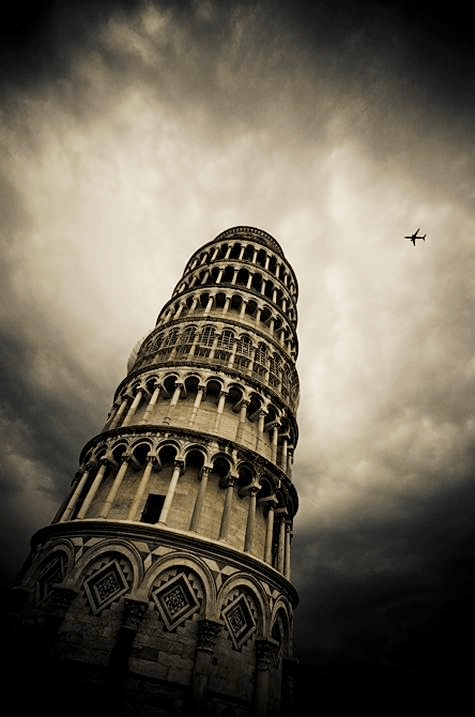
Engineers attempted to correct the tower throughout its construction.
Generations worked to stabilize it.
Some changes reduced the tilt.
Others unintentionally made it more noticeable.
Yet the tower survived.
Earthquakes, wars, changing governments, and the passing of centuries could not erase it.
Instead of hiding its imperfection, history embraced it.
Today millions of visitors travel to Pisa every year, not because the tower is flawless, but because it is unlike anything else in the world.
Its greatest weakness became its greatest strength.
If I Were The Creative Director
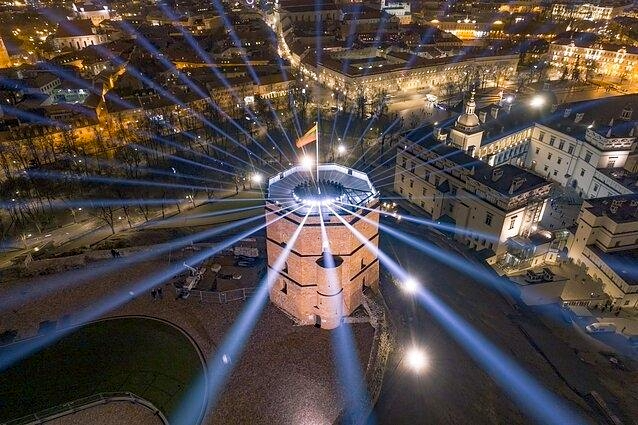
If I were invited to create a media art experience for the Leaning Tower of Pisa, I would begin with darkness.
The tower would stand quietly beneath the night sky.
A gentle line of light would rise slowly from its foundation, following the exact angle of the tower.
Visitors would immediately notice that the tilt was not being hidden.
It was being celebrated.
Constellations would gradually appear above the tower.
Geometric lines would connect the stars with the architecture.
The illusion of gravity would slowly disappear.
For a few unforgettable moments, the tower would appear to float between earth and sky.
Not because technology had changed the monument,
but because light had changed the way people experienced it.
Beyond Perfection
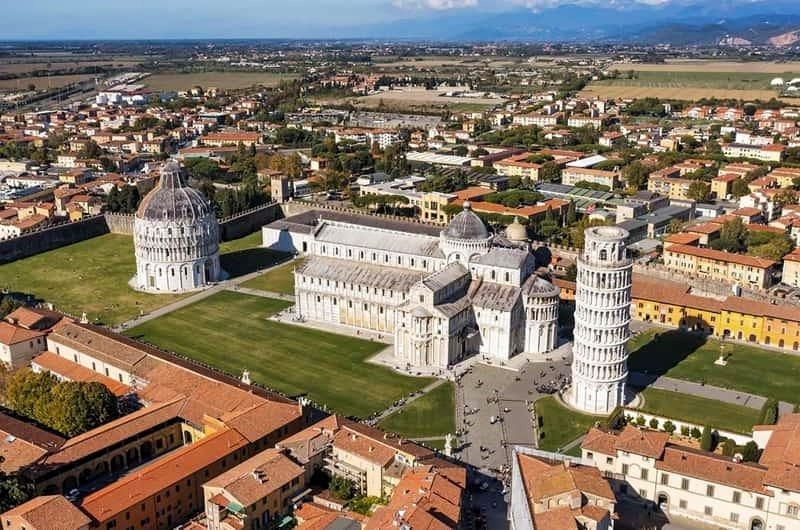
Modern society often teaches us to pursue perfection.
Perfect design.
Perfect performance.
Perfect results.
Yet history tells a different story.
Many of the world’s greatest creations became unforgettable because they were unique rather than perfect.
The Leaning Tower of Pisa reminds us that flaws can become identity.
Character often grows where perfection ends.
Perhaps that is why millions continue to smile when they first see the tower.
It feels human.
The Future Of Cultural Heritage
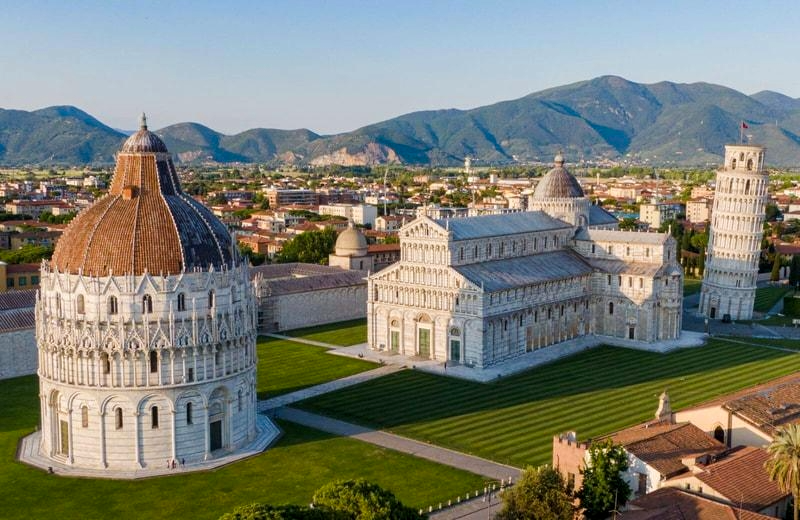
Historic landmarks should never lose their authenticity.
Media art should not replace architecture.
Its role is to reveal emotion, perspective, and meaning.
The Leaning Tower of Pisa already tells an extraordinary story.
Technology simply offers a new language through which future generations can experience it.
IMMERSIVE LAB Perspective
The Taj Mahal taught us about love.
The Great Pyramid revealed mystery.
Angkor Wat awakened mythology.
Petra rediscovered a lost civilization.
The Great Wall carried history.
Machu Picchu celebrated harmony with nature.
The Leaning Tower of Pisa reminds us that imperfection can become timeless.
Perhaps the future of immersive cultural tourism is not about creating new wonders.
Perhaps it is about helping the world experience the wonders we already have in completely new ways.
 IMMERSIVE LAB
댓글 남기기