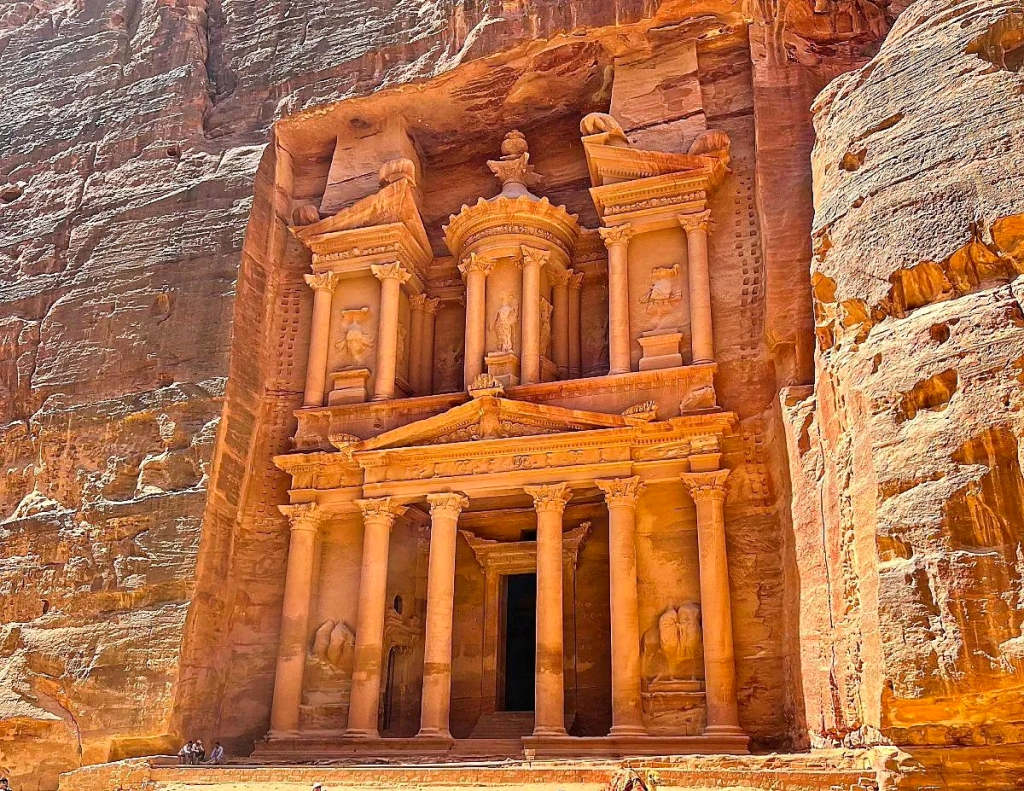
Petra of Light
What If The Lost City Could Tell Its Story Through Light?
Some places are beautiful.
Some places are mysterious.
Some places change the way we understand history.
Petra does all three.
Hidden within the red sandstone mountains of southern Jordan lies one of humanity’s greatest achievements.
Not a city built upon the land.
A city carved into the land itself.
For centuries, Petra disappeared from the world’s memory.
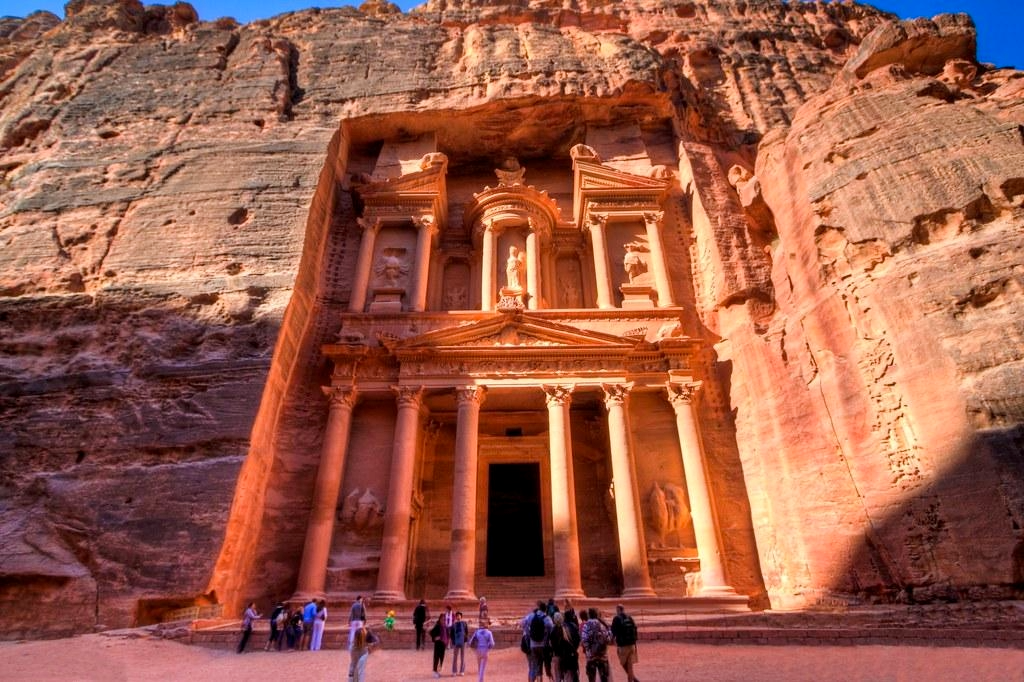
Today, millions of visitors walk through the narrow canyon known as the Siq before suddenly encountering one of the most breathtaking architectural masterpieces ever created.
Every visitor experiences the same moment of silence.
Not because Petra is simply beautiful.
But because it feels impossible.
The City Carved From Stone
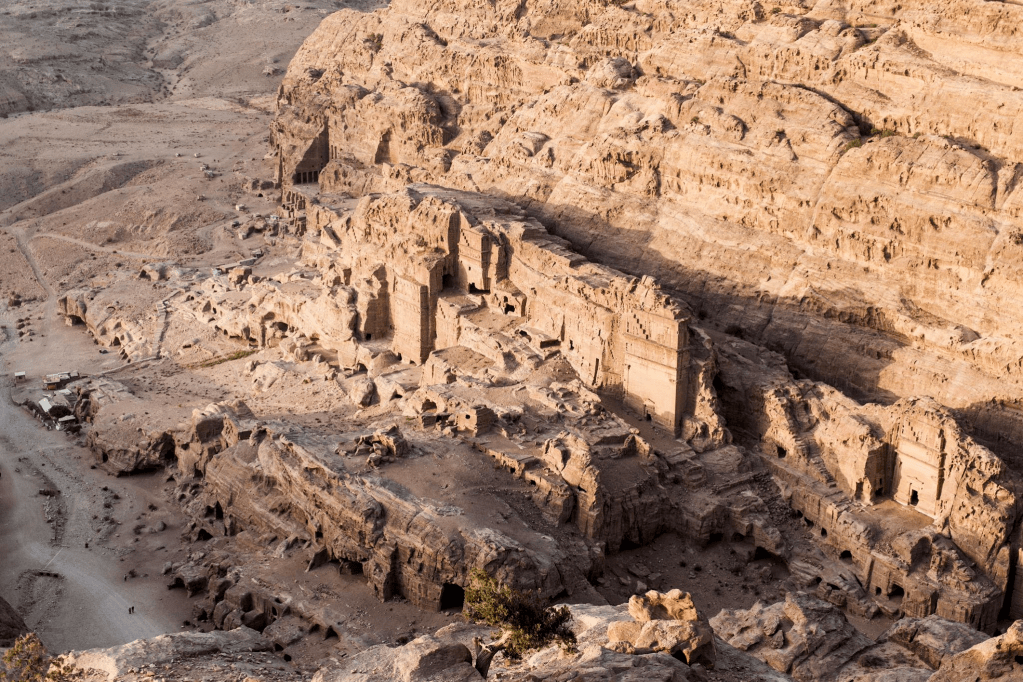
Petra was the capital of the Nabataean Kingdom, a civilization that flourished through trade more than two thousand years ago.
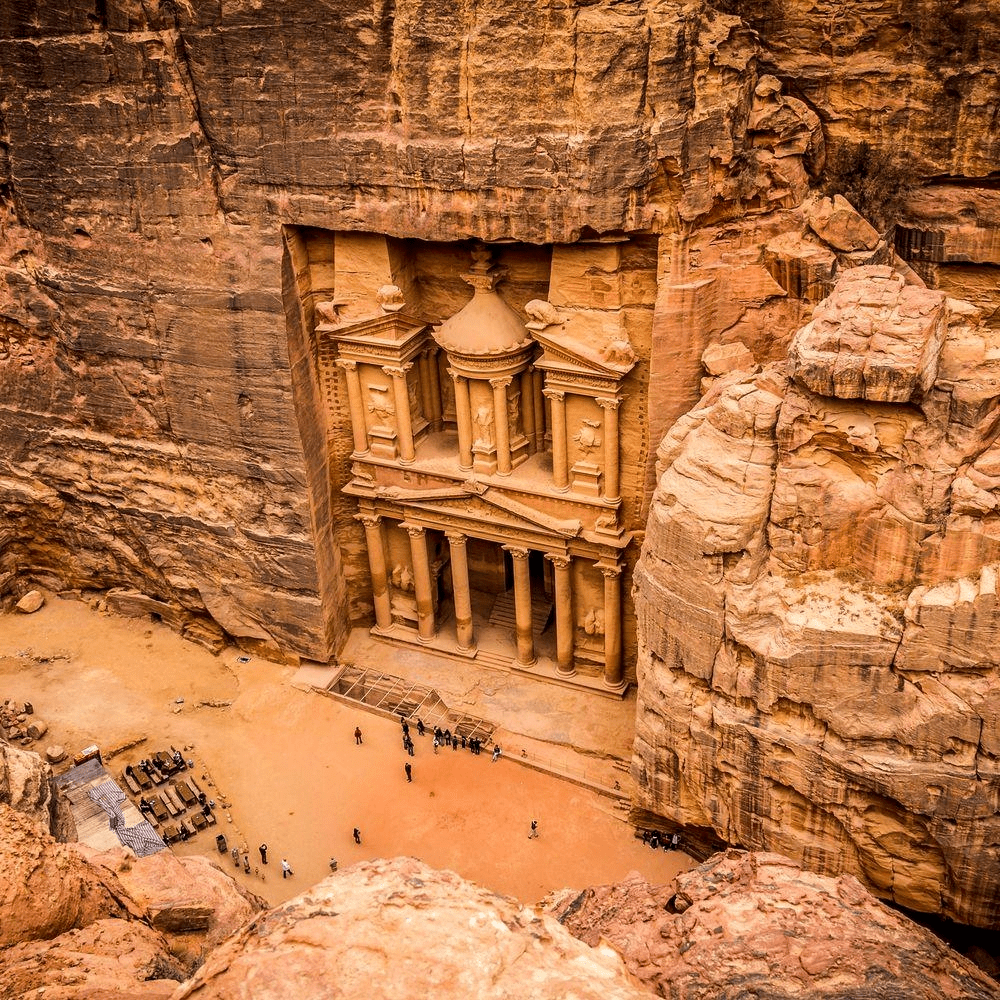
Unlike many ancient cities built with stacked stone, Petra was sculpted directly into massive sandstone cliffs.
The famous Treasury, Al-Khazneh, appears almost as if it has always existed within the mountain.
Architecture and nature become one.
That harmony is one of Petra’s greatest achievements.
It reminds us that extraordinary design is not always about dominating the landscape.
Sometimes it is about understanding it.
A Civilization That Mastered The Desert
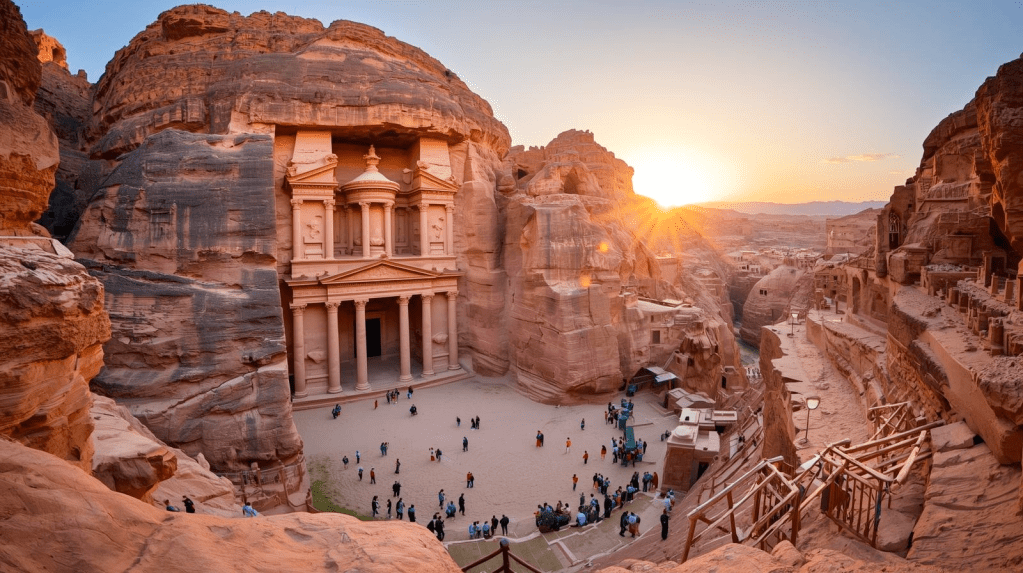
The Nabataeans built an advanced city in one of the harshest environments imaginable.
They developed reservoirs, underground channels, and sophisticated water collection systems that transformed the desert into a thriving commercial center.
Caravans carrying spices, incense, silk, and precious goods traveled through Petra on routes connecting Arabia, Egypt, and the Mediterranean.
Petra became one of the wealthiest cities of the ancient world.
Its prosperity was not created by chance.
It was created by innovation.
The Lost City
History, however, is never permanent.
Trade routes changed.
The Roman Empire expanded.
Earthquakes damaged the city.
Gradually, Petra declined.
For centuries, it disappeared from global awareness.
Nature quietly reclaimed what civilization had built.
Then, in 1812, Swiss explorer Johann Ludwig Burckhardt rediscovered Petra, introducing the lost city to the modern world.
Since then, Petra has become one of the world’s greatest archaeological treasures.
Yet despite millions of visitors, the city still carries an extraordinary sense of mystery.
If I Were The Creative Director
If I were invited to create a media art experience at Petra, I would not begin with technology.
I would begin with silence.
The desert wind.
The echo of footsteps through the Siq.
The feeling of entering another world.
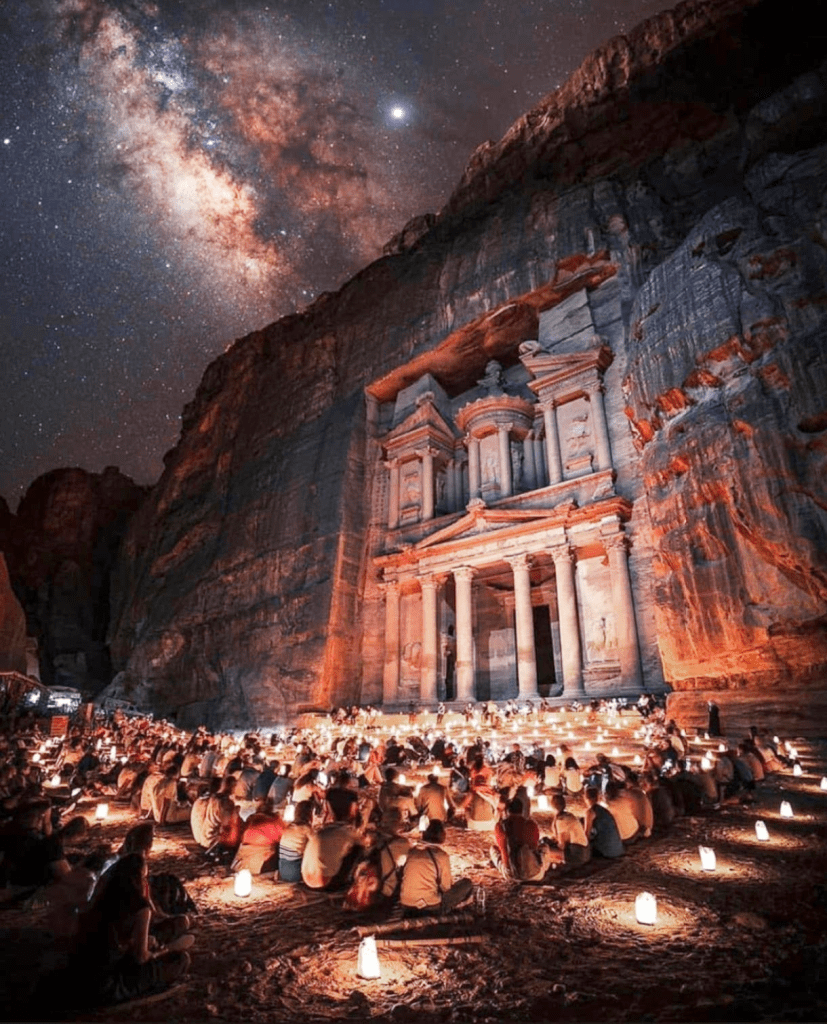
Only then would light appear.
A single beam would travel along the ancient caravan route.
The sounds of merchants, camels, and distant voices would slowly return.
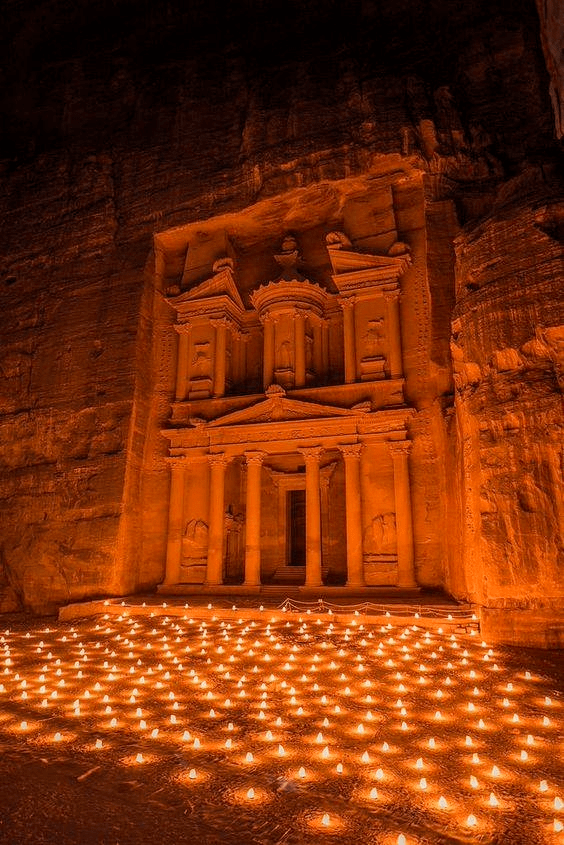
The Treasury would emerge from darkness, illuminated not by spectacle, but by story.
Visitors would witness the rebirth of a civilization.
The sandstone walls would become pages of history.
Every projection would reveal another chapter.
Every light would carry another memory.
Technology would never become the main attraction.
History would.
Why Petra Is Perfect For Media Art
Throughout my career, I have worked on projection mapping and immersive entertainment projects.
One lesson has remained constant.
The most successful media art does not compete with architecture.
It reveals what architecture already contains.
Petra already possesses everything an immersive experience requires.
A dramatic entrance.
A powerful emotional reveal.
Remarkable craftsmanship.
An unforgettable landscape.
And above all, an extraordinary story.
Light should never replace these qualities.
It should simply help people discover them more deeply.
The Future Of Cultural Tourism
Tourism is entering a new era.
People no longer travel only to see famous places.
They travel to experience them.
They seek emotion rather than information.
Memory rather than photographs.
Connection rather than observation.
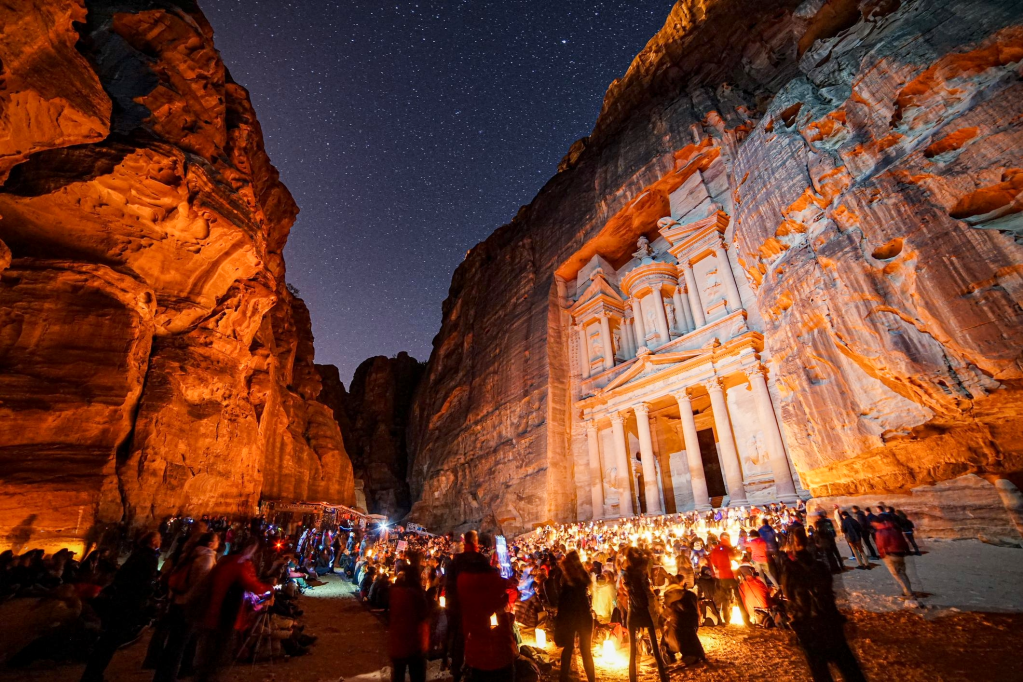
This is why nighttime cultural experiences are becoming increasingly important across the world.
Historic landmarks are no longer passive destinations.
They are becoming immersive stages where history can be experienced in entirely new ways.
Petra has the potential to become one of the most remarkable examples of this transformation.
IMMERSIVE LAB Perspective
The Taj Mahal tells the story of love.
The Great Pyramid tells the story of mystery.
Angkor Wat tells the story of mythology.
Petra tells the story of a civilization that vanished, yet never truly disappeared.
I believe the future of media art is not about creating new monuments.
It is about allowing the world’s greatest cultural treasures to tell their stories again.
Perhaps the next chapter of Petra is not hidden beneath the desert sand.
Perhaps it is waiting within light.
And when that moment arrives, the Lost City may once again become one of the greatest wonders of the world—not because it has changed, but because we have finally learned how to experience its story.
 IMMERSIVE LAB
댓글 남기기