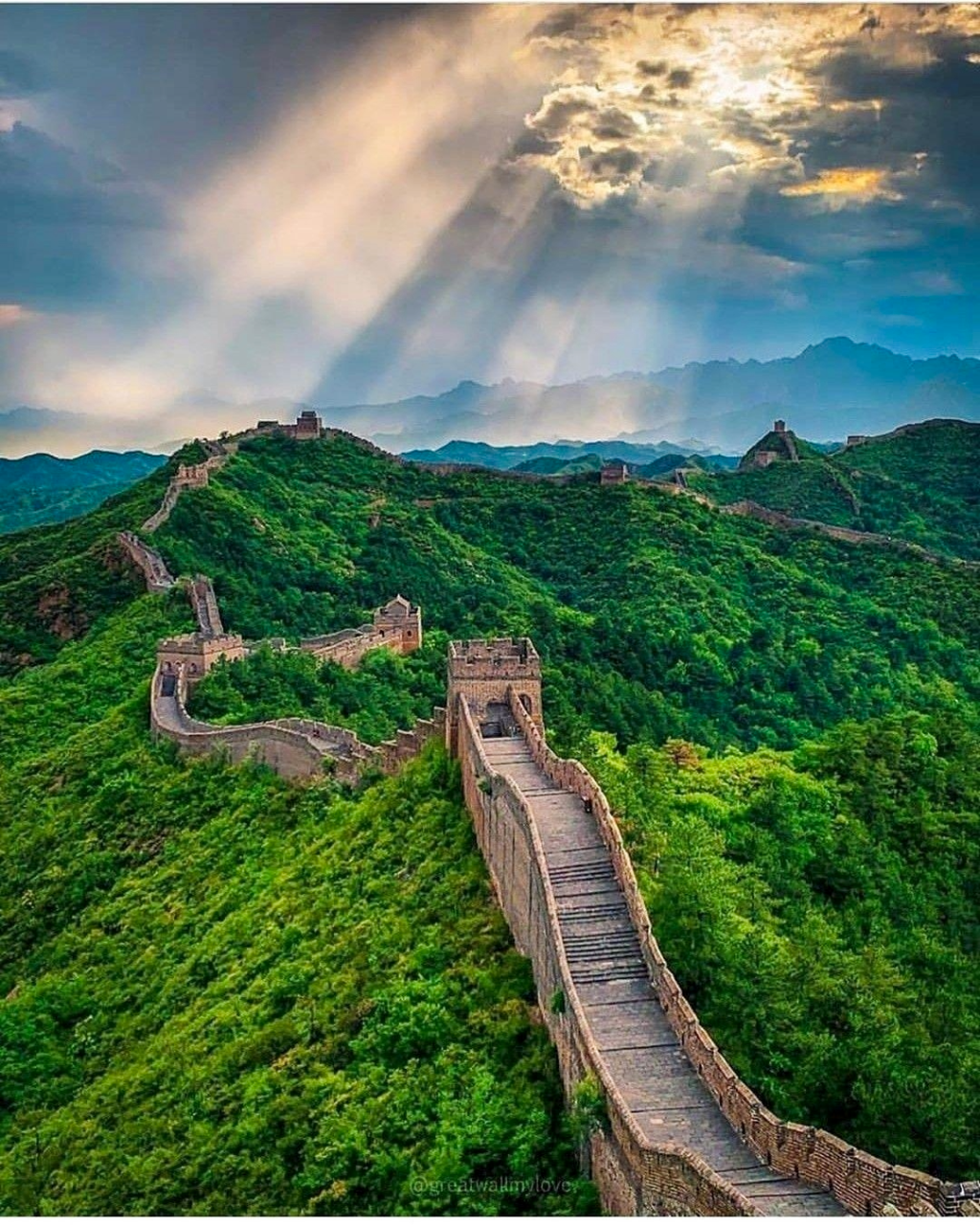
Great Wall of Light
What If History Could Shine Again?
Some landmarks represent love.
Others represent mystery.
Some preserve mythology.
But the Great Wall of China tells the story of human determination.
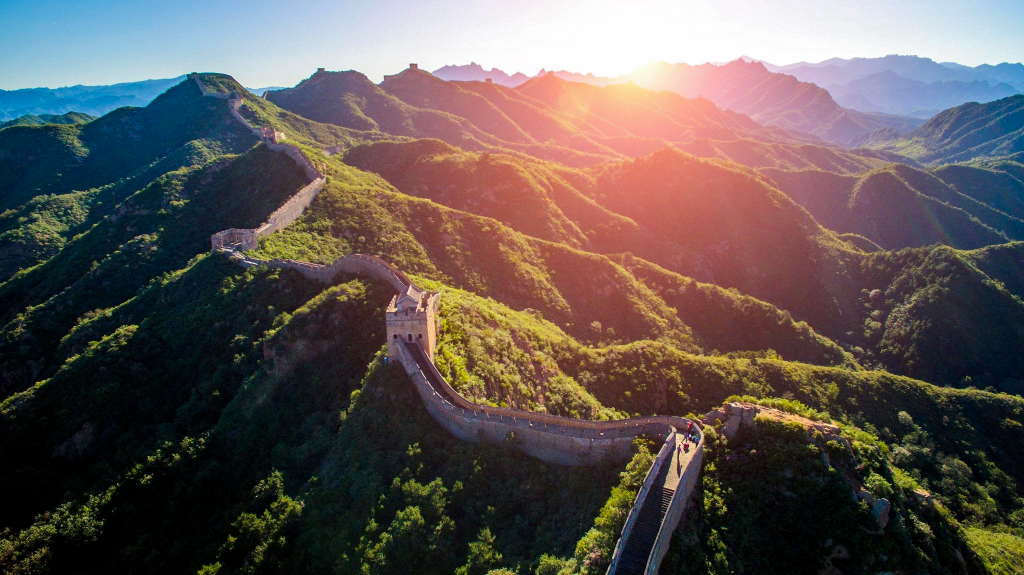
Stretching across mountains, valleys, deserts, and grasslands, the Great Wall is more than the longest defensive structure ever built.
It is one of humanity’s greatest symbols of endurance.
For centuries, it protected an empire.
Today, it continues to inspire millions of visitors from around the world.
Whenever I stand before images of the Great Wall, I ask myself a simple question.
What if history could shine again?
What if this extraordinary monument became a living canvas where thousands of years of civilization could be experienced through light?
More Than A Wall

Many people imagine the Great Wall as one continuous structure.
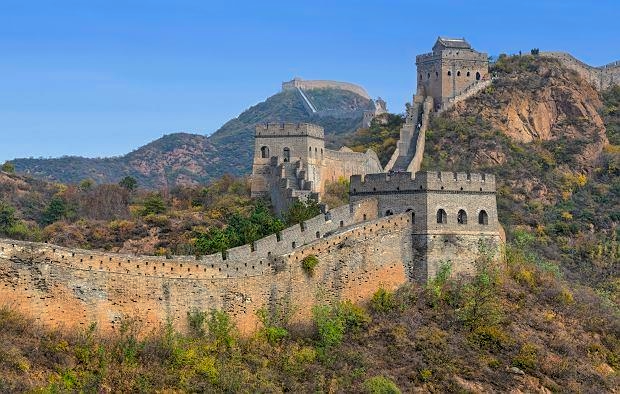
In reality, it is a vast network of walls, watchtowers, mountain fortifications, and strategic passes built across different dynasties.
Together, they extend for more than 21,000 kilometers.
The wall crosses some of China’s most dramatic landscapes, adapting to mountains instead of forcing nature to change.
This remarkable achievement demonstrates something larger than engineering.
It represents organization.
Vision.
Patience.
And the collective effort of generations.
Few monuments in history communicate these values as powerfully as the Great Wall.
A Network Built With Light
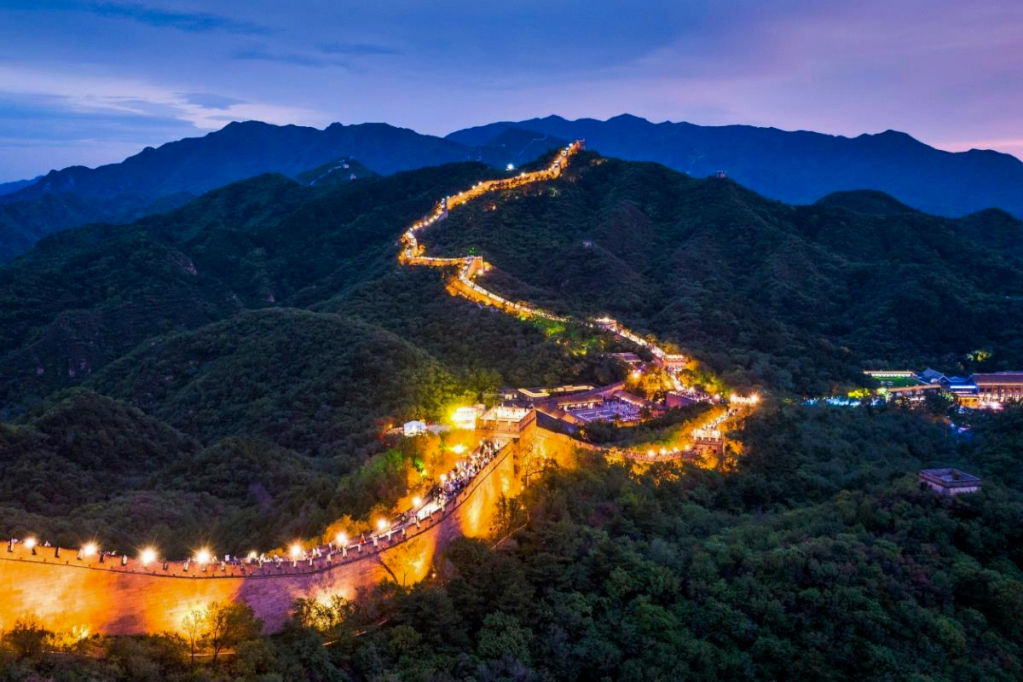
One of the most fascinating features of the Great Wall was its beacon tower system.
Long before telephones, satellites, or the internet, information traveled through fire.
When danger approached, a beacon was lit.
The next tower responded.
Then another.
Within a remarkably short time, messages traveled across vast distances.
The Great Wall was not only a physical barrier.
It was one of history’s earliest communication networks.
Light connected people long before digital technology existed.
That idea continues to inspire me today.
If I Were The Creative Director
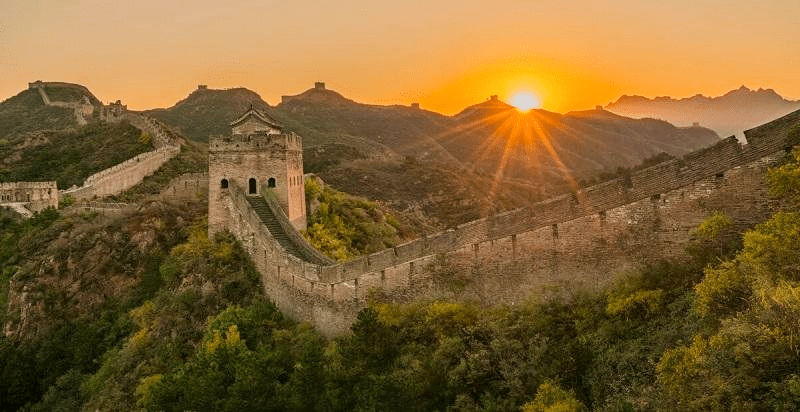
If I were invited to create a media art experience along the Great Wall, I would not begin with projection mapping.
I would begin with silence.
Dark mountains.
Cold wind.
An empty horizon.
Then, far in the distance, a single beacon would appear.
A small flame.
Moments later, another beacon would ignite.
Then another.
Gradually, a river of light would flow across the mountain ridges, connecting tower after tower until the Great Wall itself became a glowing line stretching toward the horizon.
Visitors would not simply watch lights.
They would witness communication.
Hope.
Urgency.
Human cooperation.
The experience would celebrate the people who built the wall as much as the wall itself.
Technology would remain invisible.
History would become the main performance.
The Future Of Heritage Experiences
Around the world, cultural tourism is changing.
Visitors no longer travel only to admire architecture.
They travel to understand stories.
The most meaningful experiences combine history, emotion, and imagination.
Media art has the potential to become one of the most respectful ways to interpret cultural heritage.
When carefully designed, light does not compete with architecture.
It reveals details that often remain unnoticed.
It creates emotional connections without altering historical identity.
The Great Wall deserves experiences that help modern audiences appreciate not only its scale, but also the human stories hidden within every stone.
IMMERSIVE LAB Perspective
The Taj Mahal tells the story of love.
The Great Pyramid tells the story of mystery.
Angkor Wat tells the story of mythology.
Petra tells the story of a lost civilization.
The Great Wall tells the story of history itself.
I believe the future of immersive media is not about creating louder experiences.
It is about creating deeper ones.
The world’s greatest cultural landmarks already possess extraordinary stories.
Our responsibility is not to replace those stories with technology.
It is to reveal them through thoughtful design.
Perhaps one evening, thousands of lights will once again travel across the Great Wall, just as beacon fires once carried messages across an empire.
When that happens, visitors will not simply see history.
They will experience it.
And perhaps that is the true future of cultural tourism.
 IMMERSIVE LAB
댓글 남기기