What If The World’s Oldest Wonder Became The Largest Media Art Canvas?
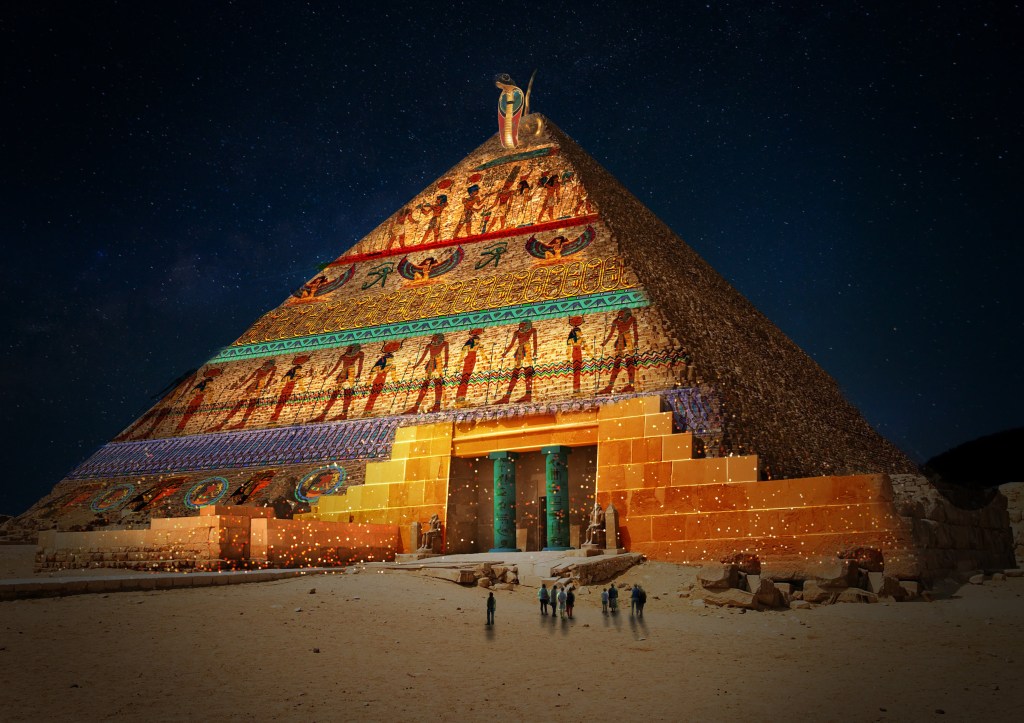
The Great Pyramid of Giza is more than a monument.
It is a question.
For over 4,500 years, humanity has stood before the pyramids asking the same thing:
How was this possible?
Empires have risen and fallen.
Civilizations have disappeared.
Technologies have evolved beyond imagination.
Yet the pyramids remain.
Silent.
Mysterious.
Timeless.
That is what makes them different from every other landmark on Earth.
The Taj Mahal tells a story of love.
The Eiffel Tower represents a city.
The Great Wall reflects history.
But the pyramids represent something deeper.
They represent humanity’s endless fascination with the unknown.
The Last Remaining Wonder
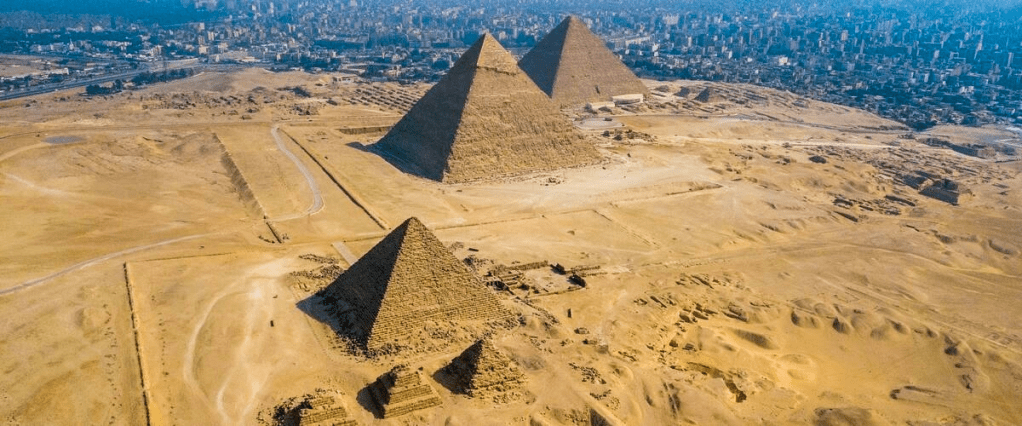
The Great Pyramid is the only surviving structure from the Seven Wonders of the Ancient World.
Built around 2560 BCE, it has witnessed more than four millennia of human history.
When the pyramids were completed, many of today’s great civilizations did not yet exist.
The Roman Empire was still thousands of years away.
Modern nations had not been imagined.
Yet the pyramids continue to dominate the landscape.
This is not simply architecture.
It is permanence.
Very few structures in human history have inspired such universal awe.
A Mystery That Refuses To Disappear
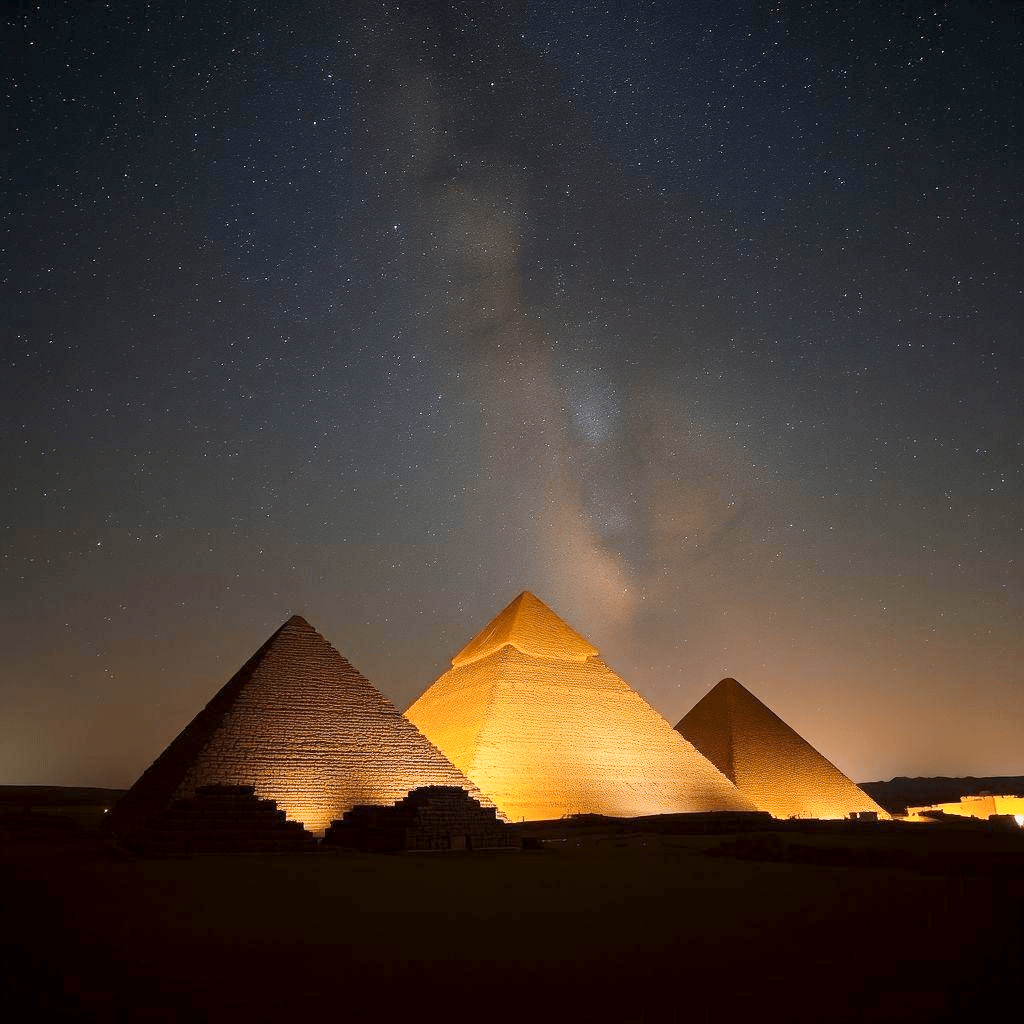
Perhaps the greatest power of the pyramids is mystery.
Historians have developed numerous theories regarding their construction.
Massive stone blocks.
Ancient engineering systems.
Sophisticated planning.
Remarkable labor organization.
And yet, despite decades of research, the pyramids still feel impossible.
Every generation creates new theories.
Some are scientific.
Others are fantastical.
The fact that these debates continue today demonstrates the extraordinary power of the monument.
People are not only interested in what the pyramids are.
They are fascinated by what they might represent.
More Than Stone
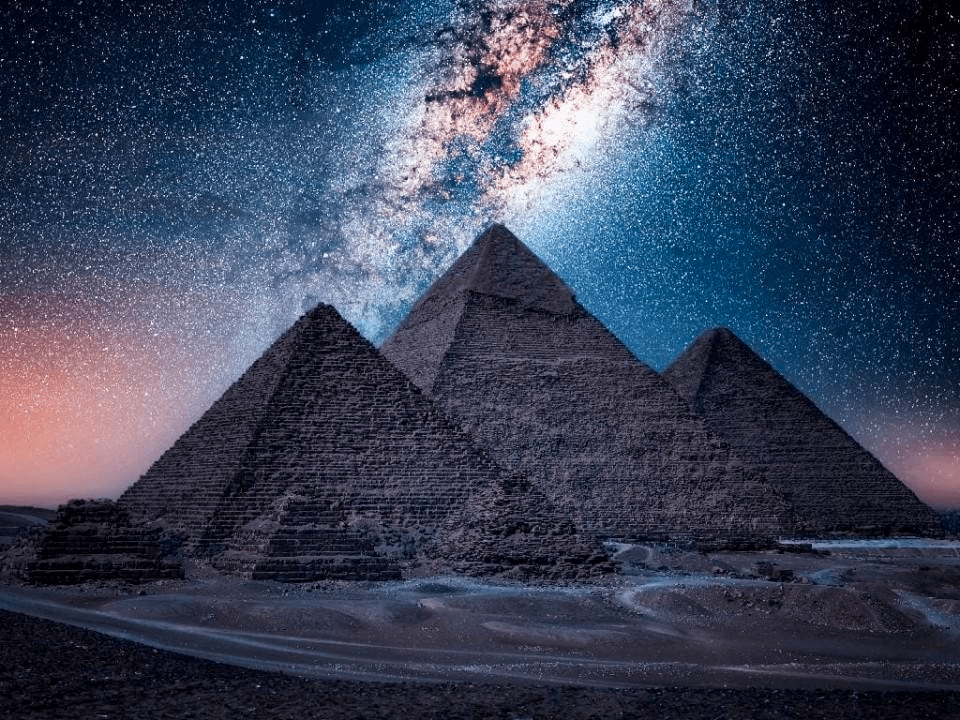
The pyramids were never intended to be ordinary buildings.
For ancient Egyptians, they were sacred structures connected to eternity.
They symbolized the journey between life and the afterlife.
They connected the earthly world to the divine.
The sun god Ra.
The pharaohs.
The stars.
The Nile.
All were woven into a single vision of existence.
This spiritual dimension is often forgotten by modern visitors.
People see stone.
Ancient Egyptians saw eternity.
Why Do The Pyramids Sleep At Night?
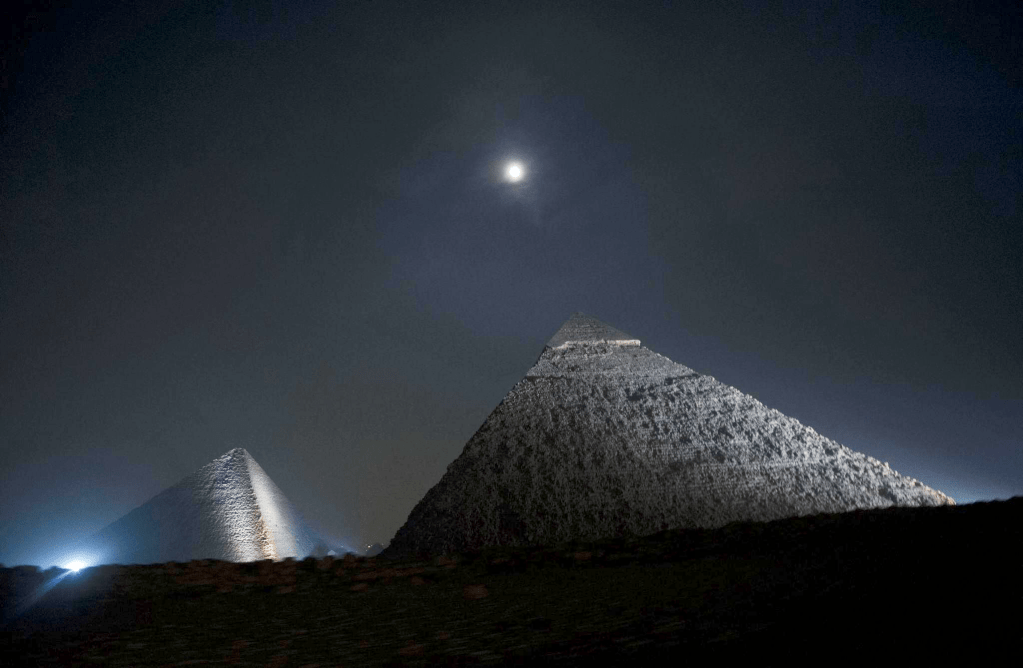
Millions of visitors arrive each year to witness the pyramids under the desert sun.
The daytime experience is magnificent.
But once darkness falls, much of the emotional potential disappears.
The monument remains visible.
The mystery remains.
Yet the storytelling stops.
As someone who has spent decades creating large-scale visual experiences, I often wonder:
What if the pyramids could tell their story after sunset?
What if light could reveal what stone alone cannot?
If I Were The Creative Director
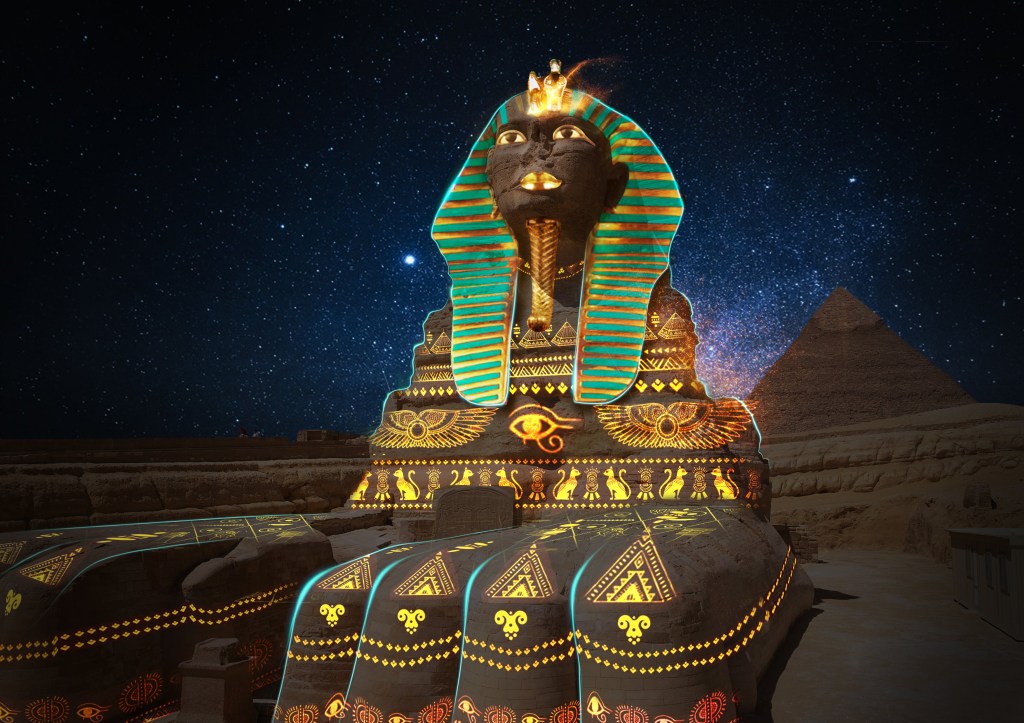
If I were invited to create a media art experience for the pyramids, I would begin with darkness.
No spectacle.
No giant screens.
No overwhelming effects.
Only silence.
The desert would become completely still.
A single beam of light would appear across the sand.
It would slowly transform into the Nile River.
The river would flow toward the pyramid.
Life would emerge.
Civilization would rise.
The stars above would begin to move.
Ancient constellations would appear across the monument.
The story of Egypt would unfold not through words, but through light.
Visitors would witness the birth of one of humanity’s greatest civilizations.
Then the pharaohs would emerge.
The temples would rise.
The desert would become a living canvas.
Finally, the pyramid itself would glow with a golden light, symbolizing eternity.
The experience would not be about technology.
It would be about wonder.
The Largest Canvas In Human History
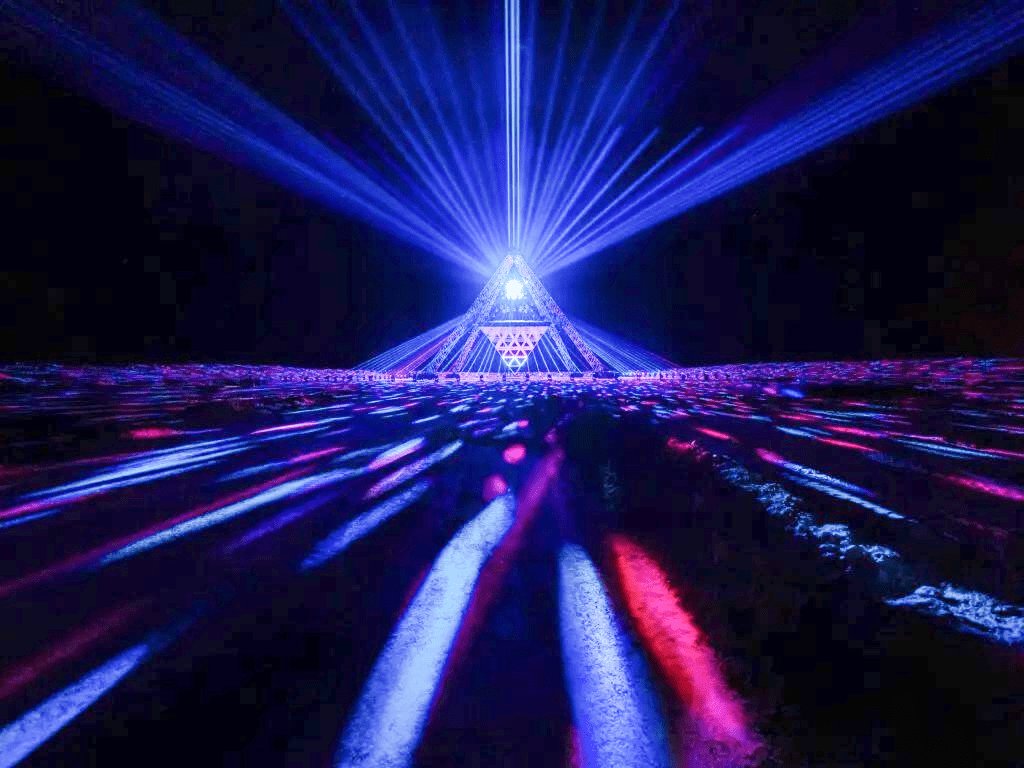
During my years working with projection mapping and large-scale visual productions, I learned an important lesson.
Technology is not what people remember.
Emotion is.
Historic architecture becomes powerful when it connects the past to the present.
The pyramids offer perhaps the greatest opportunity for that connection.
Their scale is unmatched.
Their symbolism is universal.
Their mystery remains alive.
A carefully designed media art experience could transform the site into one of the most extraordinary nighttime cultural destinations in the world.
Not by replacing history.
But by illuminating it.
The Future Of Cultural Tourism
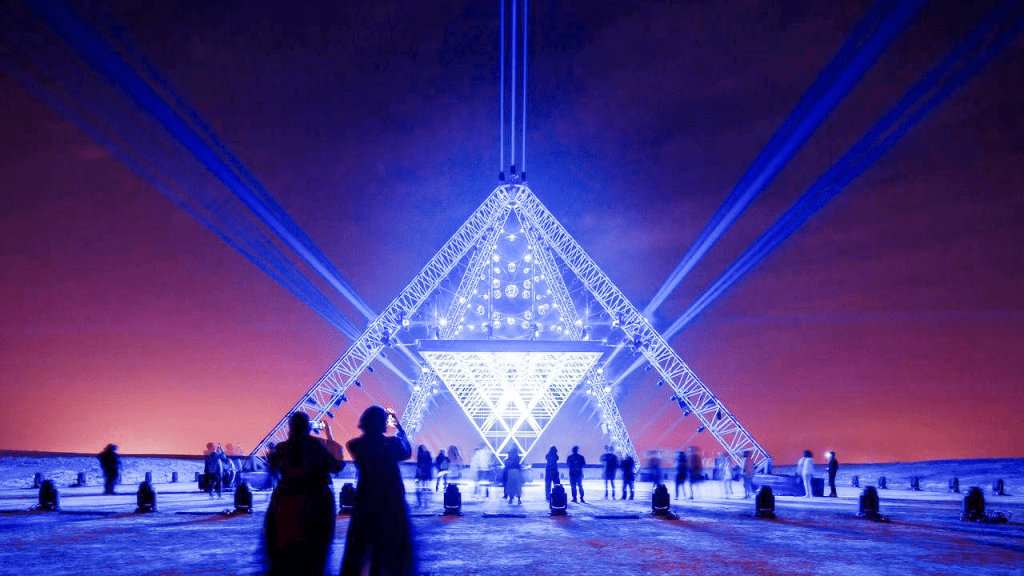
Tourism is changing.
People no longer travel simply to see places.
They travel to experience stories.
They want emotion.
They want immersion.
They want memories that cannot be captured in a single photograph.
This is why immersive attractions, projection mapping, and nighttime cultural experiences are becoming increasingly important around the world.
Historic landmarks are no longer passive destinations.
They are becoming living platforms for storytelling.
The pyramids may be one of the most powerful examples of this future.
IMMERSIVE LAB Perspective
Many people see the pyramids as relics of the past.
I see them as a stage for the future.
Not because they need technology.
But because they already possess everything great storytelling requires.
Scale.
Mystery.
Symbolism.
Emotion.
The role of media art is not to change these qualities.
It is to reveal them.
The greatest experiences are not those that create something entirely new.
They are those that help us see something familiar in a completely different way.
For over 4,500 years, the pyramids have inspired wonder.
Perhaps the next chapter is not about preserving them in silence.
Perhaps it is about allowing them to tell their story through light.
And if that day comes, the pyramids may once again become one of the greatest wonders the world has ever seen.
 IMMERSIVE LAB
댓글 남기기