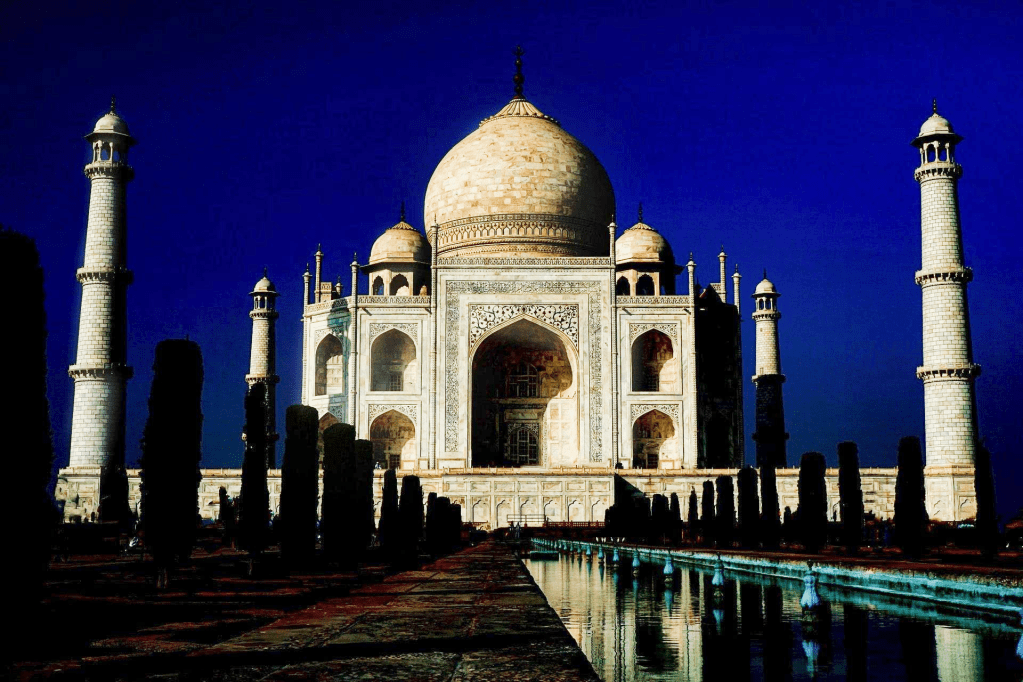
What If The World’s Greatest Monument Became A Living Canvas?
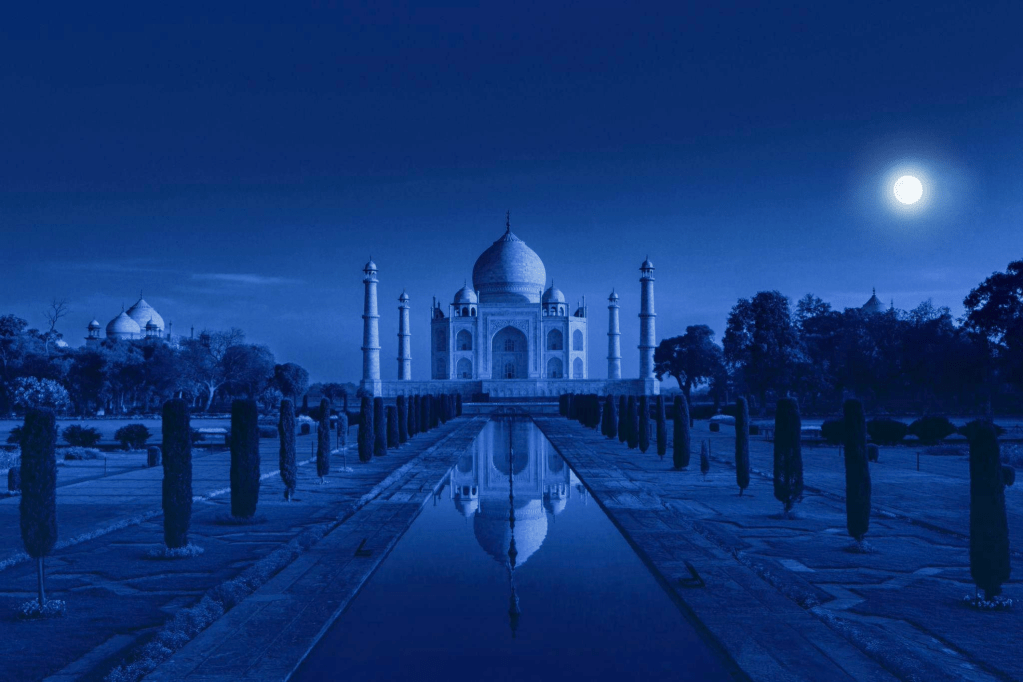
The Taj Mahal is one of the most recognizable landmarks on Earth.
Located in Agra, India, it attracts millions of visitors every year and is often described as the most beautiful monument ever built.
For centuries, people have admired its perfect symmetry, elegant marble architecture, and extraordinary story of love.
Yet every time I look at the Taj Mahal, I find myself asking a different question.
What happens after sunset?
What if one of the world’s greatest monuments could tell its story through light?
What if the Taj Mahal became more than a historic landmark?
What if it became a living canvas?
A Monument Built For Love
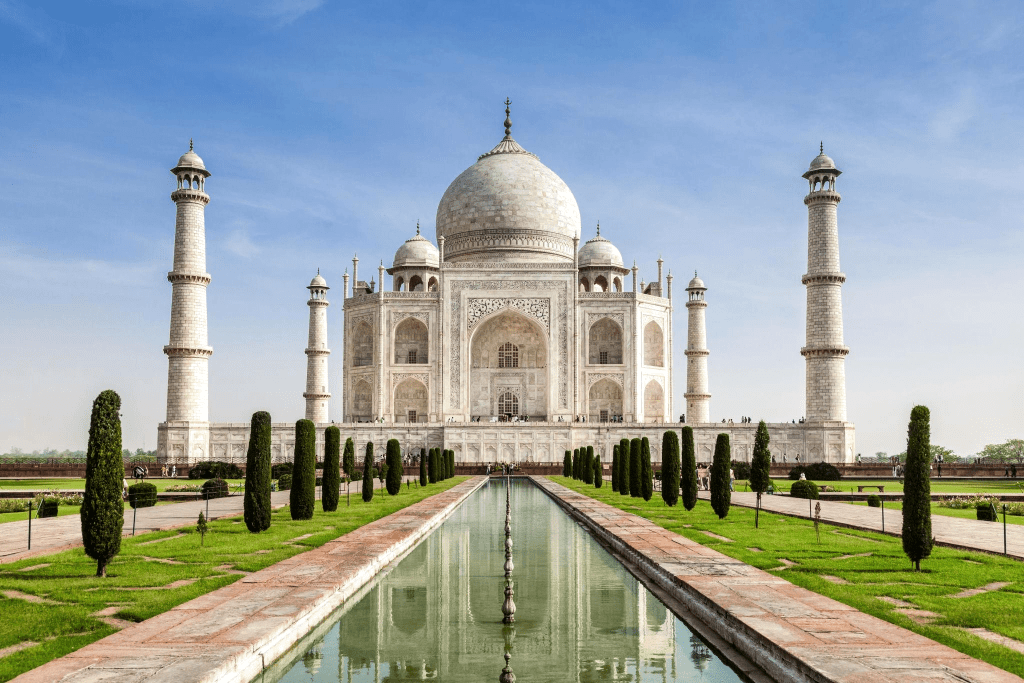
Few buildings in history carry an emotional story as powerful as the Taj Mahal.
Commissioned by Mughal Emperor Shah Jahan in memory of his beloved wife Mumtaz Mahal, the monument represents devotion, loss, memory, and eternal love.
Its beauty is undeniable.
But its true value lies in the story behind the stone.
Every visitor sees the architecture.
Not everyone feels the emotion.
This is where immersive storytelling becomes important.
The future of cultural tourism may not simply be about preserving history.
It may be about helping people experience it.
Why Do Historic Monuments Sleep At Night?
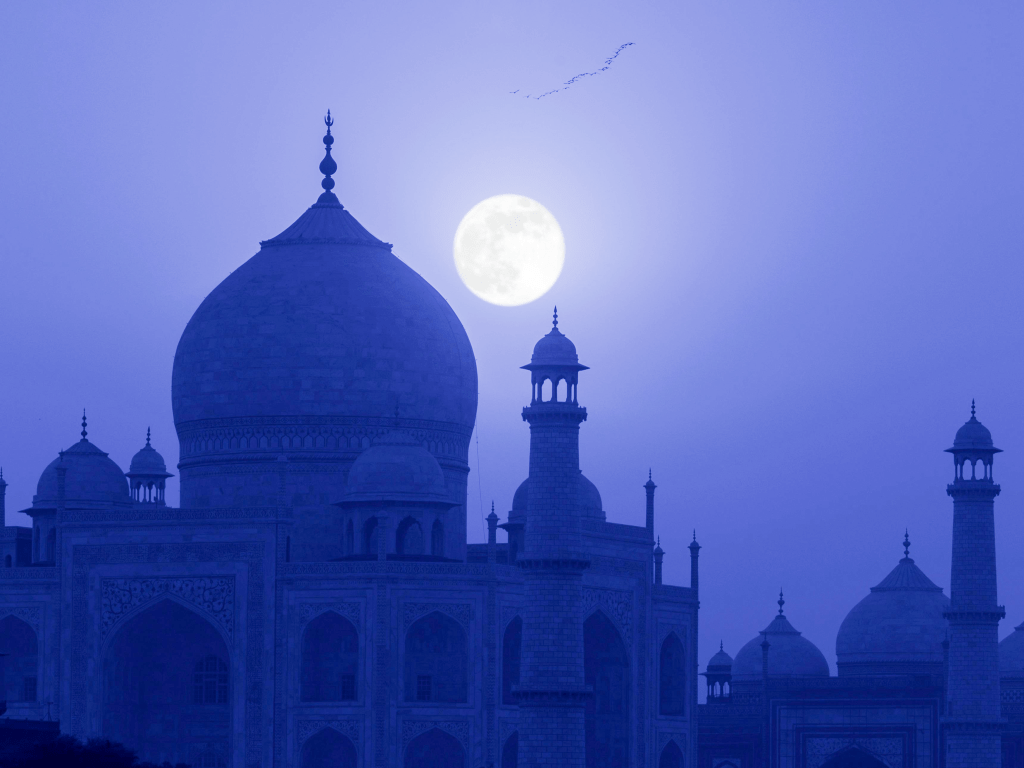
Most iconic landmarks attract visitors during the day.
After sunset, many become passive objects illuminated by static lighting.
Their stories disappear into darkness.
But around the world, a new approach is emerging.
Cities are transforming historic locations into immersive nighttime experiences.
Castles become storytelling environments.
Cathedrals become projection mapping canvases.
Ancient architecture becomes a platform for art, culture, and emotion.
Night is no longer the end of tourism.
It is becoming the beginning.
The Taj Mahal may be one of the most powerful examples of this untapped potential.
If I Were The Creative Director
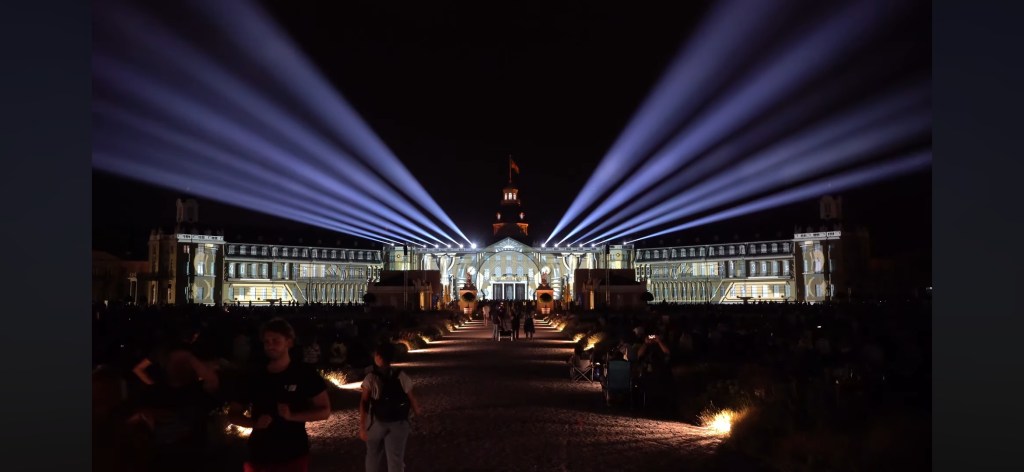
If I were invited to create a media art experience for the Taj Mahal, my goal would not be to overwhelm the architecture with technology.
The monument itself is already perfect.
Technology should support the story, not replace it.
The experience would begin with silence.
Soft moonlight would gradually illuminate the marble surface.
The monument would appear to breathe.
Not literally.
Emotionally.
Visitors would feel as if the building itself were awakening.
The story of Shah Jahan and Mumtaz Mahal would unfold through light, reflection, and music.
No excessive graphics.
No visual noise.
Only atmosphere.
Only emotion.
Only memory.
Light As A Language
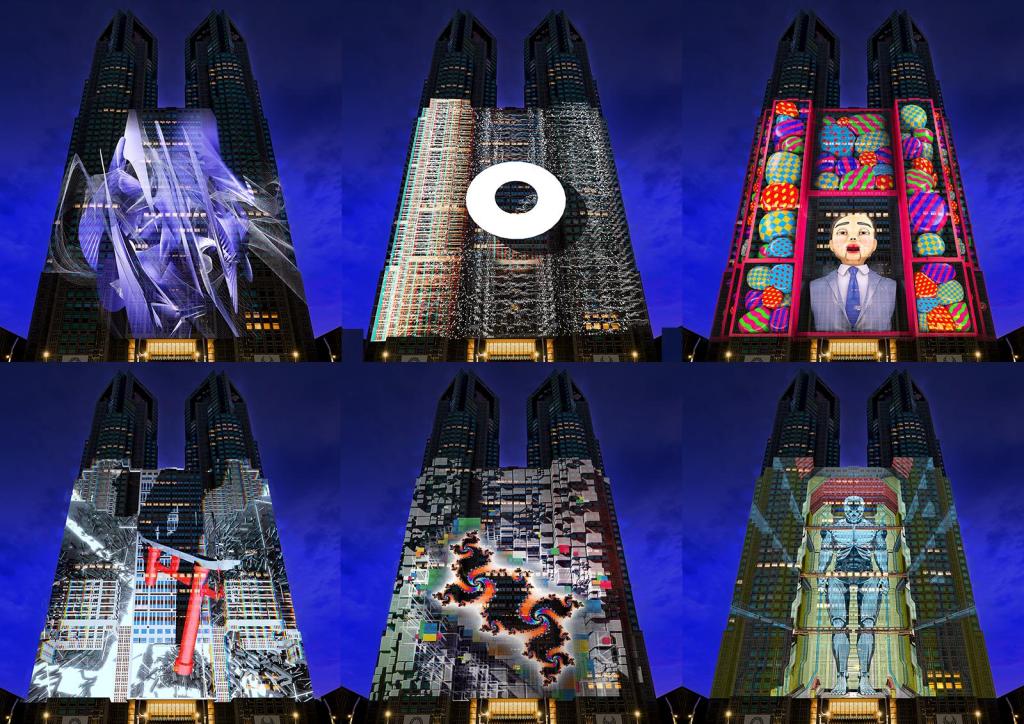
Many people think media art is about technology.
I believe media art is about communication.
Light is a language.
It can express hope.
It can express grief.
It can express love.
The Taj Mahal does not need spectacular visual effects to impress visitors.
Its architecture already does that.
What it needs is a new way to connect with audiences emotionally.
The most successful immersive experiences do not show people something new.
They help people feel something familiar in a deeper way.
The Future Of Cultural Tourism
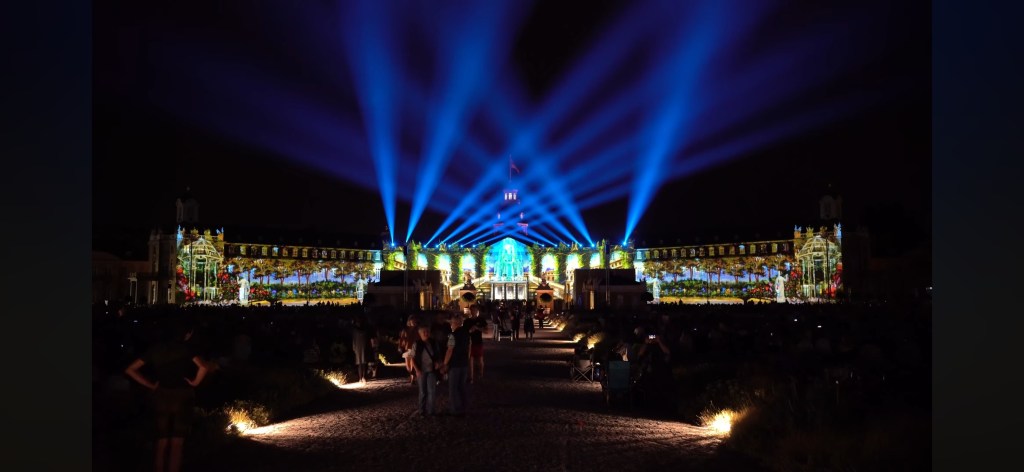
Tourism is changing rapidly.
Visitors are no longer satisfied with simply taking photographs.
They are looking for experiences.
They want stories.
They want emotional connections.
They want memories that stay with them long after they return home.
This is why cities around the world are investing heavily in nighttime economies, immersive attractions, projection mapping, and cultural storytelling.
Historic landmarks are becoming experience platforms.
The Taj Mahal has the potential to become one of the most extraordinary examples of this transformation.
Preserving Heritage Through Experience
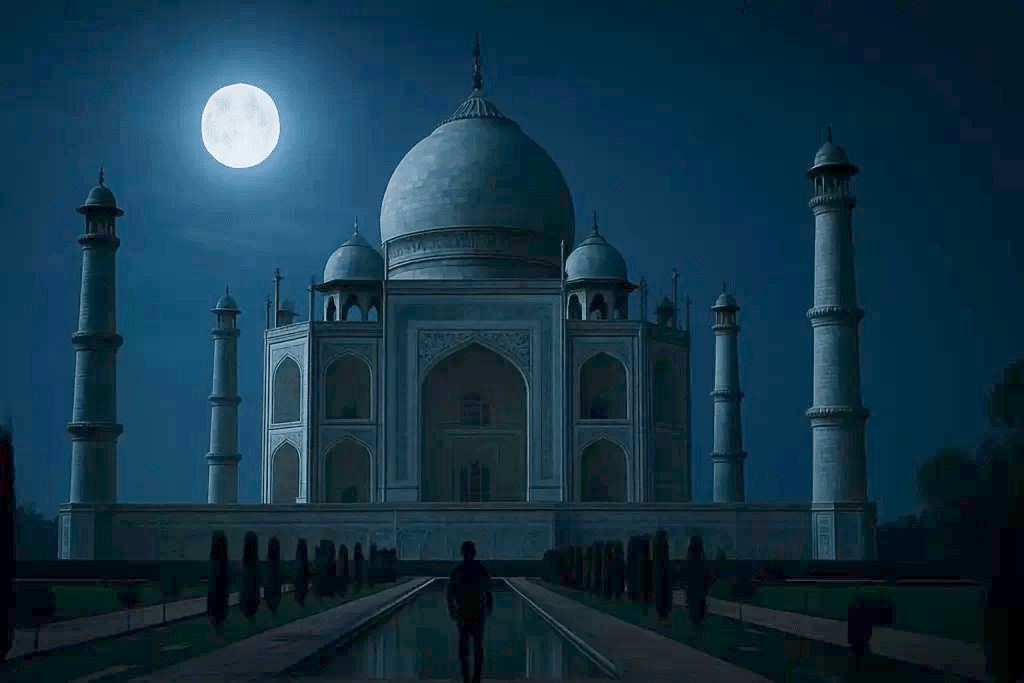
Some people worry that introducing media art into historic locations could damage their authenticity.
The opposite can also be true.
When used carefully, technology can increase appreciation for heritage.
It can attract younger audiences.
It can reveal hidden stories.
It can encourage visitors to engage more deeply with culture and history.
The key is respect.
Technology should never dominate the monument.
It should illuminate its meaning.
Beyond Architecture
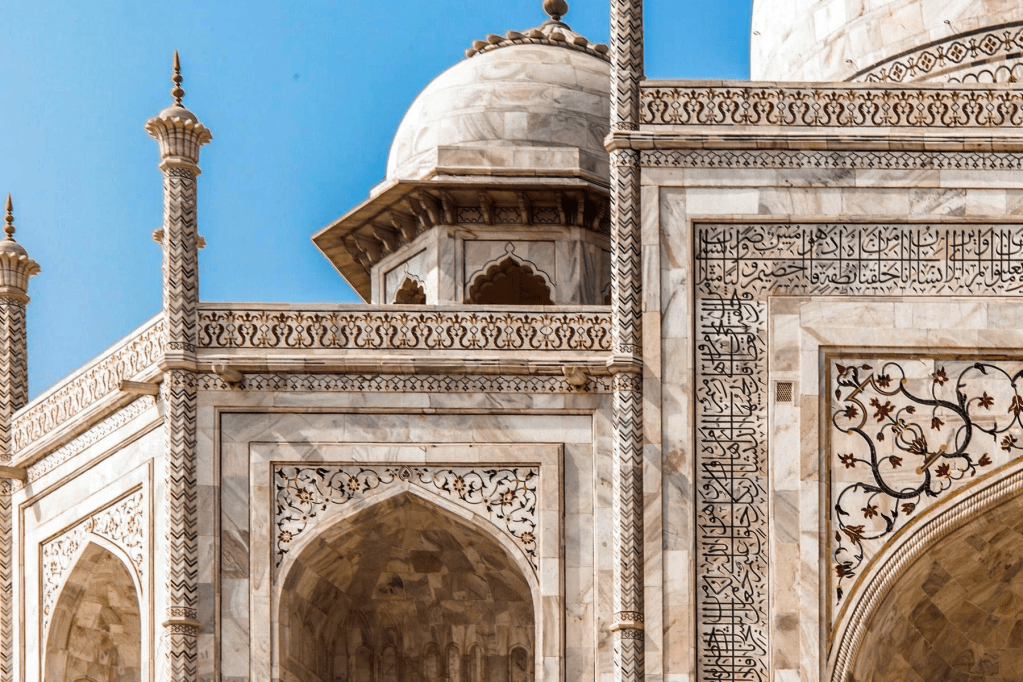
The Taj Mahal is often described as one of the greatest architectural achievements in human history.
But architecture alone does not explain why millions continue to visit.
People come because of the story.
The story is what transforms stone into meaning.
The future of media art should focus on amplifying that meaning.
Not replacing it.
IMMERSIVE LAB Perspective
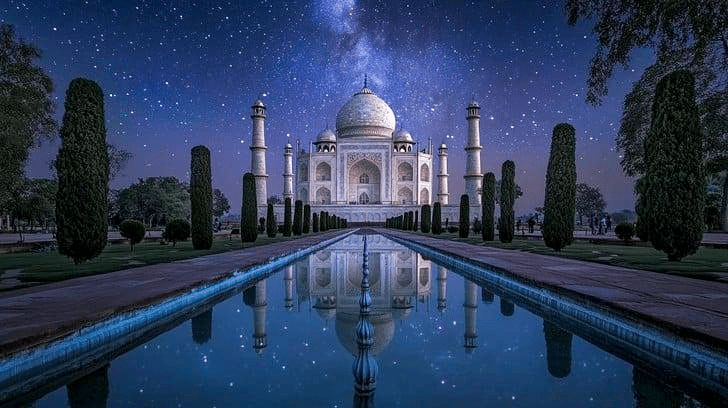
I believe the future of cultural tourism belongs to experiences that combine history, technology, storytelling, and emotion.
The Taj Mahal does not need to become a theme park attraction.
It does not need larger screens or more powerful projectors.
What it needs is a way to help people feel the story that already exists.
Because the greatest monuments are not remembered for how they look.
They are remembered for how they make us feel.
And perhaps nowhere is that more true than the Taj Mahal.
After dark, under the moonlight, it may already be telling one of the greatest stories ever told.
 IMMERSIVE LAB
댓글 남기기