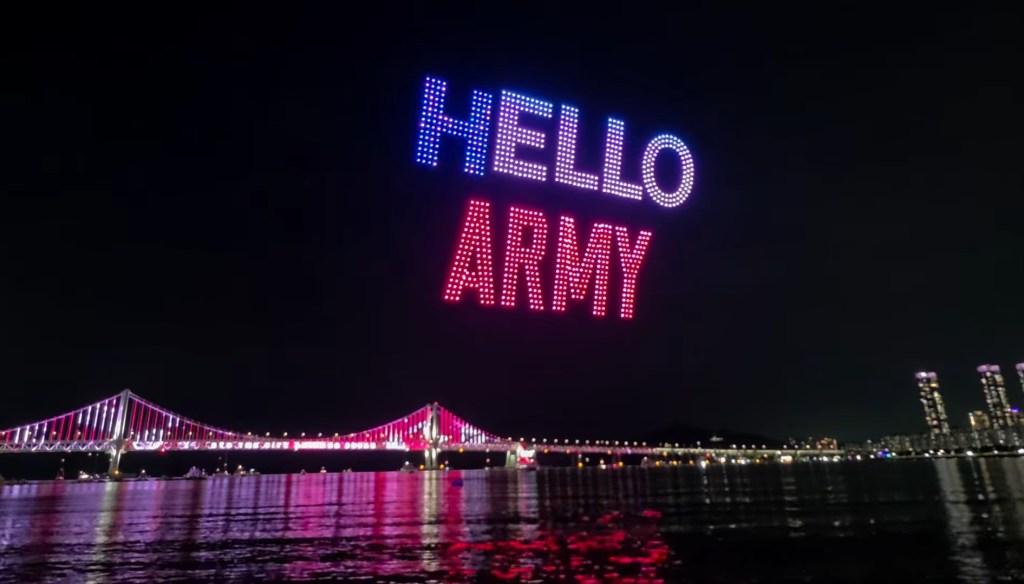
Beyond Sport, Beyond Stadiums, Beyond Borders
The FIFA World Cup is the most watched sporting event on Earth.
Every four years, billions of people gather around screens to witness not only football, but a global celebration of culture, identity, and human connection.
The 2026 FIFA World Cup represents a historic milestone.
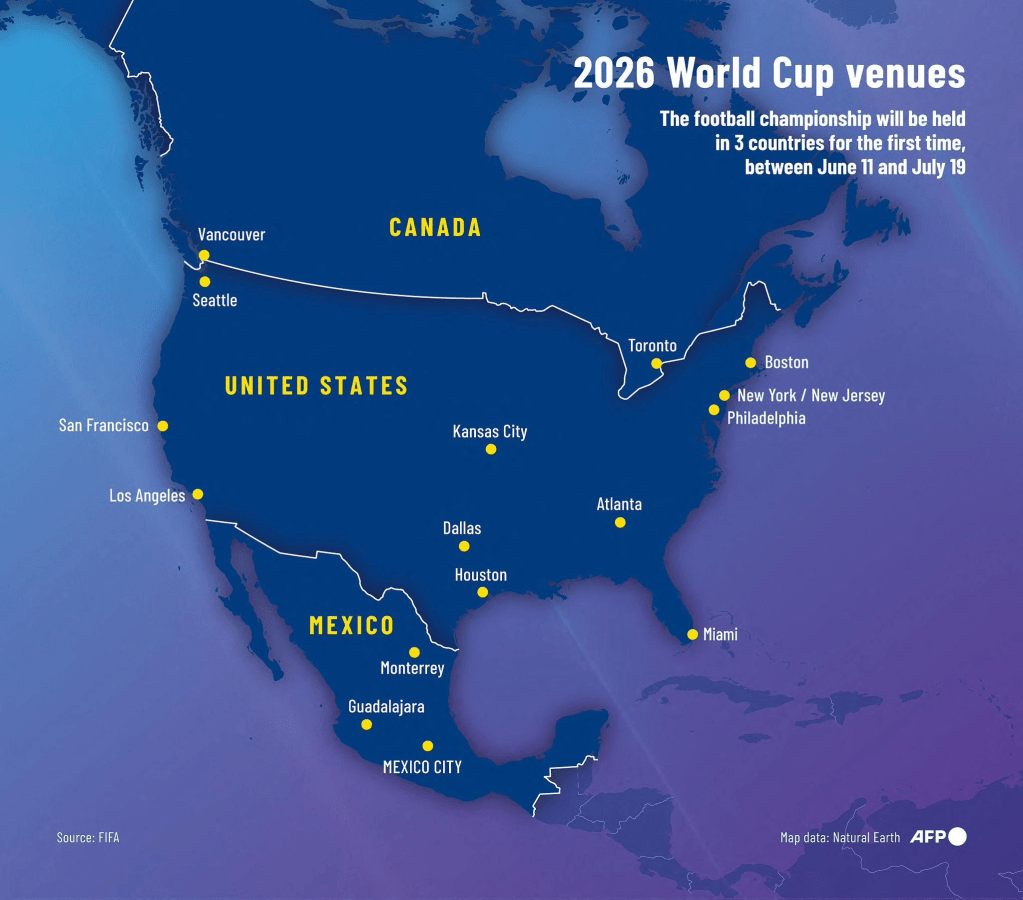
For the first time, three nations—The United States, Canada, and Mexico—have joined together to host a single World Cup.
It is the largest tournament in FIFA history.
It is also one of the most culturally diverse.
Watching the opening ceremonies, I was impressed by the way each country expressed its own identity.
The United States showcased the power of entertainment and popular culture.
Mexico brought energy, color, and festival spirit.
Canada reflected diversity, openness, and inclusion.
Together, they created something different from previous World Cups.
The event felt less like a tournament and more like a continental celebration.
The Rise Of K-POP On The Global Stage
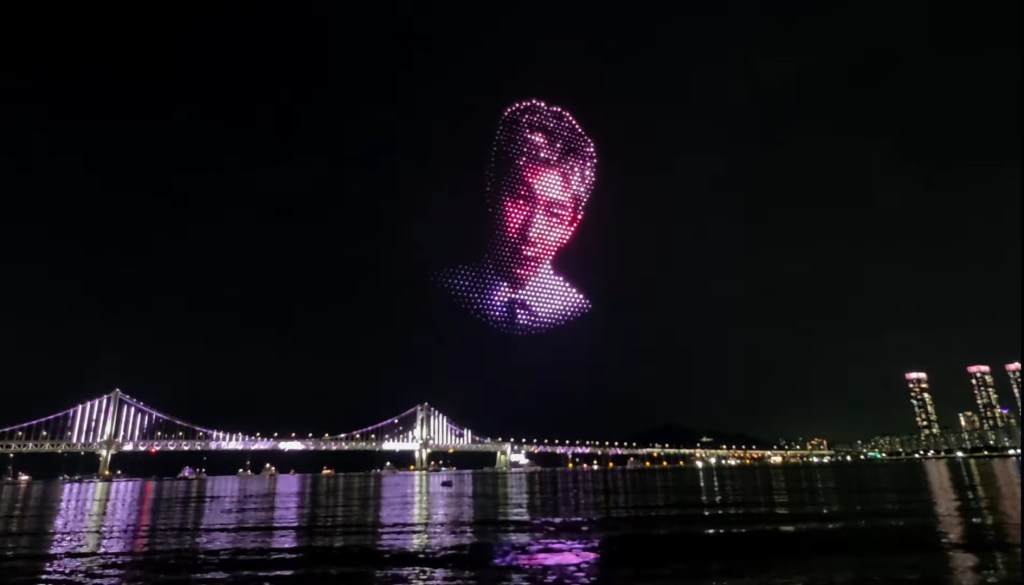
One of the most memorable aspects of the ceremony was the presence of K-POP.
As a Korean event producer, I found this particularly meaningful.
K-POP is no longer simply a Korean music genre.
It has become a global language.
A cultural bridge connecting audiences across continents.
Years ago, it would have been difficult to imagine Korean artists standing at the center of a FIFA World Cup ceremony.
Today, it feels completely natural.
That shift tells us something important about the future of culture.
Influence is no longer defined by geography.
It is defined by connection.
What Was Missing?
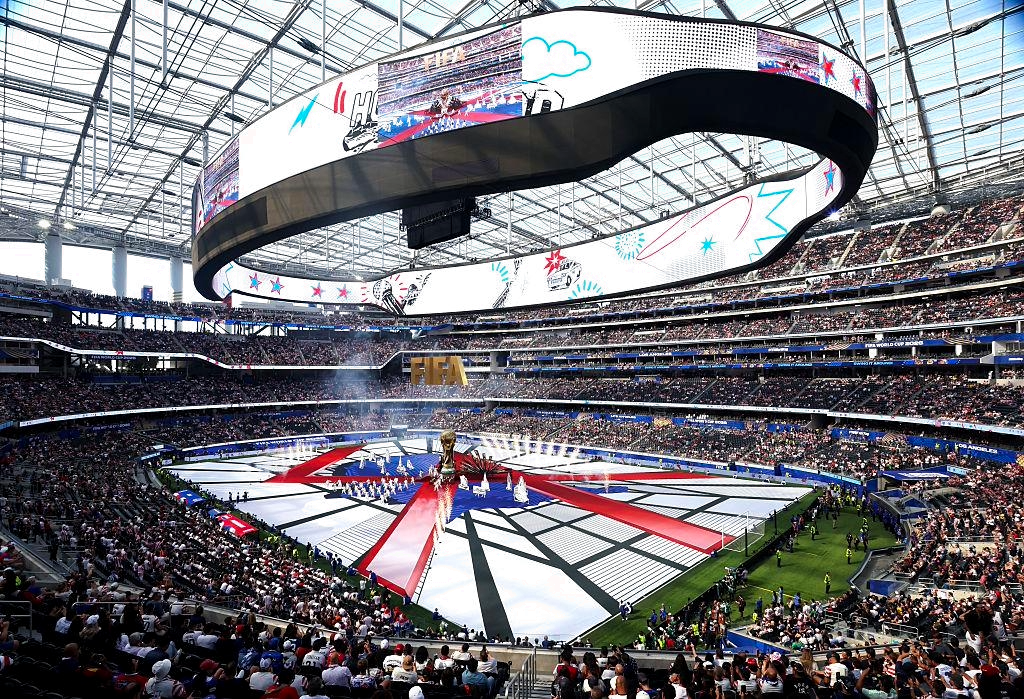
As an event director, however, I also saw opportunities that remained unexplored.
Most of the ceremony unfolded during daylight hours.
While understandable from a broadcasting perspective, it limited the full potential of immersive visual storytelling.
Light behaves differently at night.
Laser effects become more dramatic.
Projection mapping becomes more powerful.
Drone choreography becomes more magical.
Many of the technologies shaping the future of live entertainment reveal their true potential after sunset.
From a production standpoint, I felt that the ceremony achieved cultural diversity but stopped short of delivering complete visual immersion.
If I Were The Creative Director
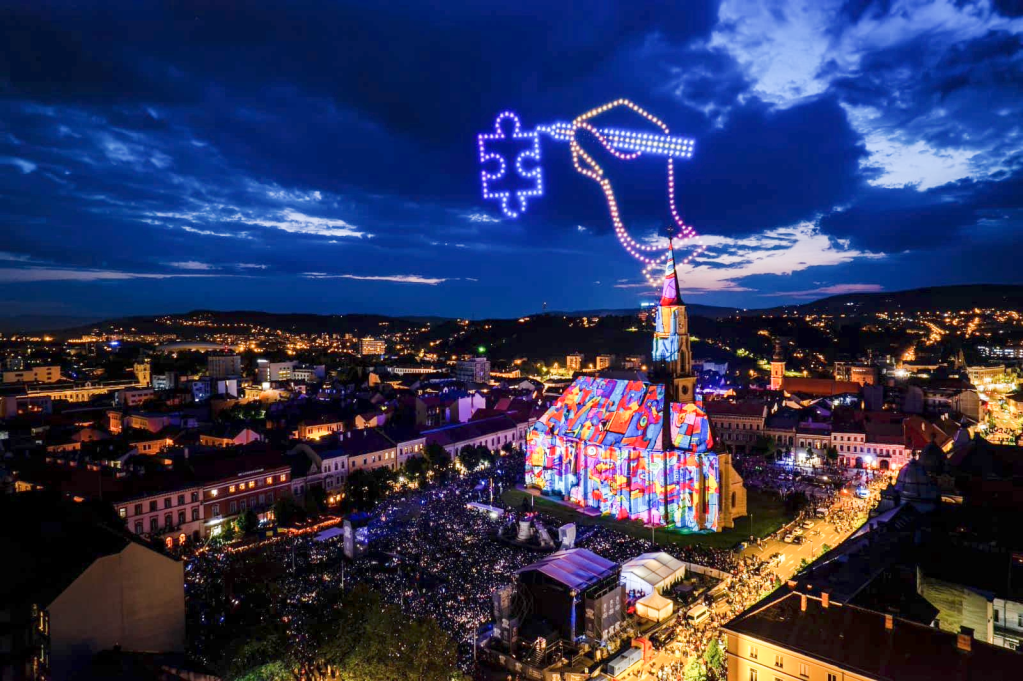
If I were given the opportunity to design the FIFA World Cup Opening Ceremony, I would begin with a different question.
Not:
“How do we fill a stadium?”
But:
“How do we connect an entire continent?”
The 2026 World Cup is unique because it belongs to three nations.
Therefore, the opening ceremony should also transcend a single venue.
I would transform North America itself into the stage.
New York.
Toronto.
Mexico City.
Three cities connected through one story.
Three cultures connected through one experience.
The audience would no longer be limited to the spectators inside a stadium.
The entire continent would become part of the performance.
A Sky Filled With Light
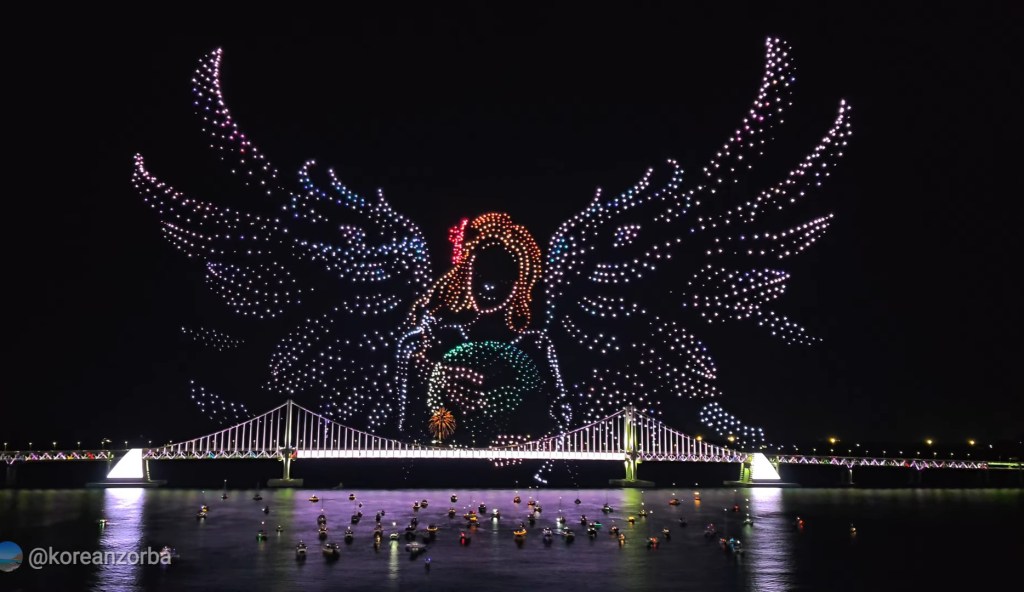
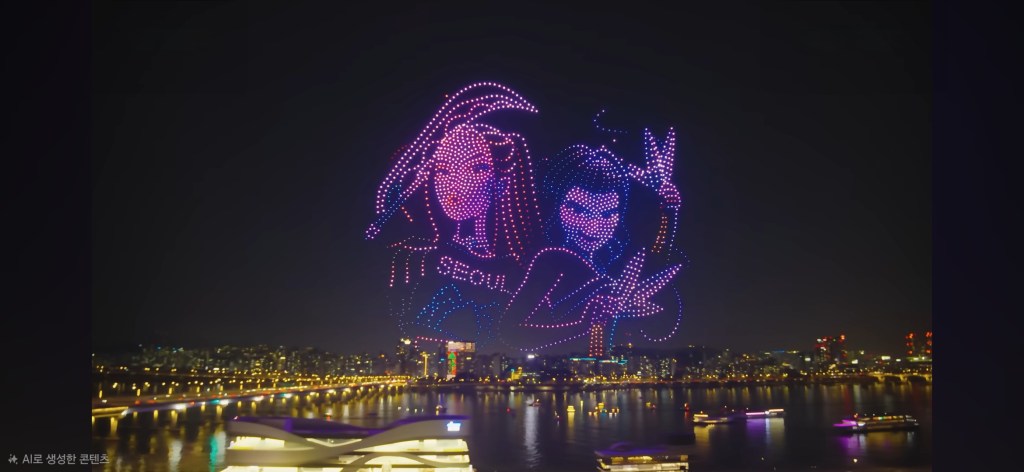
Imagine the opening moment.
The lights inside the stadium fade to black.
Silence.
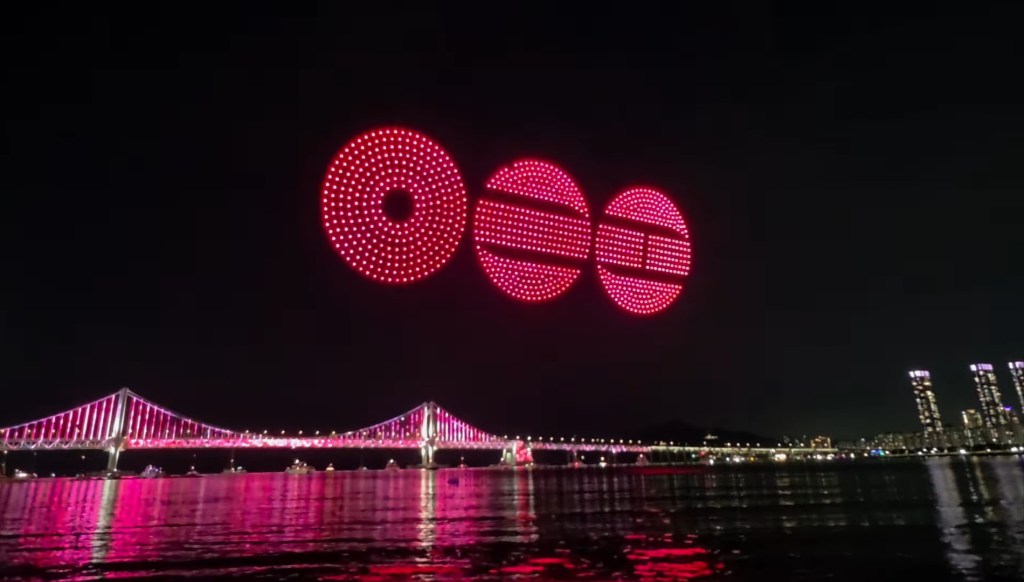
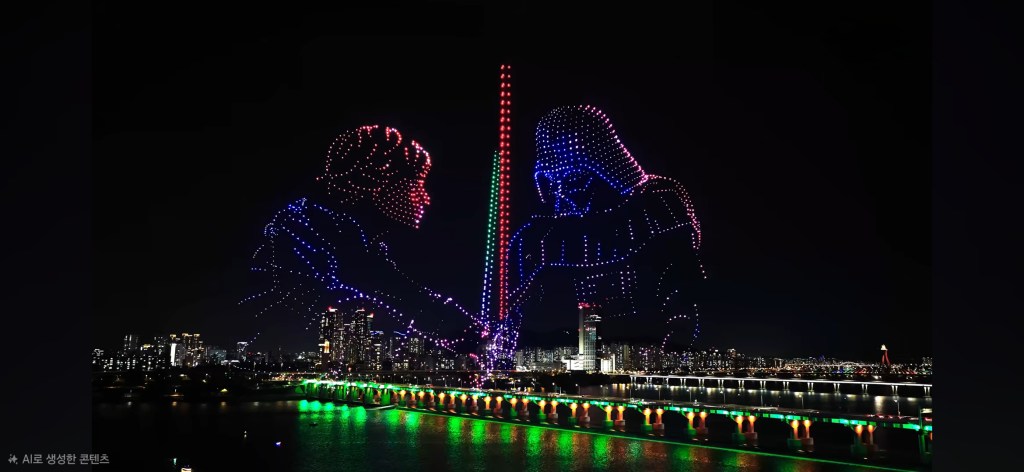
Then thousands of drones rise into the night sky.
They begin drawing a map of North America.
Borders disappear.
Only connection remains.
The drones transform into iconic football moments.
Legendary players.
Historic goals.
Future dreams.
A visual narrative stretching across the sky.
The audience would not simply watch the performance.
They would feel part of it.
Turning Spectators Into Participants
The future of opening ceremonies is not passive viewing.
It is participation.
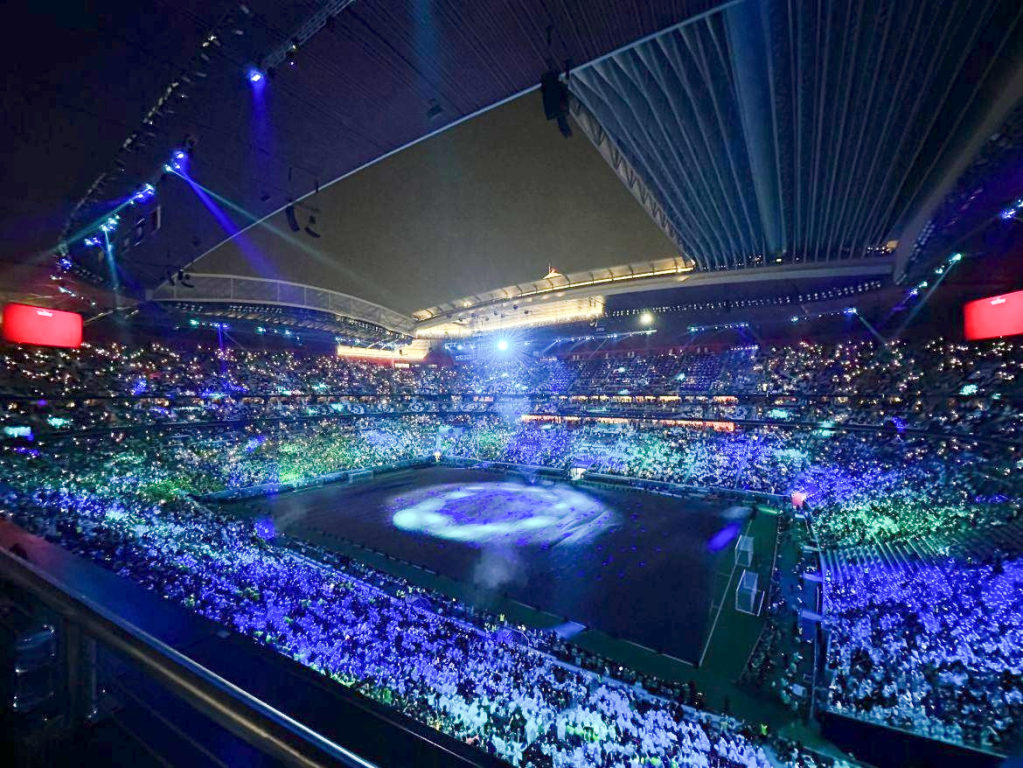
Every seat would become part of the show.
LED wristbands.
Mobile integration.
Interactive lighting systems.
The crowd itself would become a living canvas.
Tens of thousands of people contributing to a single visual experience.
The distinction between performer and audience would disappear.
This, in my view, is the future of large-scale live entertainment.
The Convergence Of Sport And Media Art
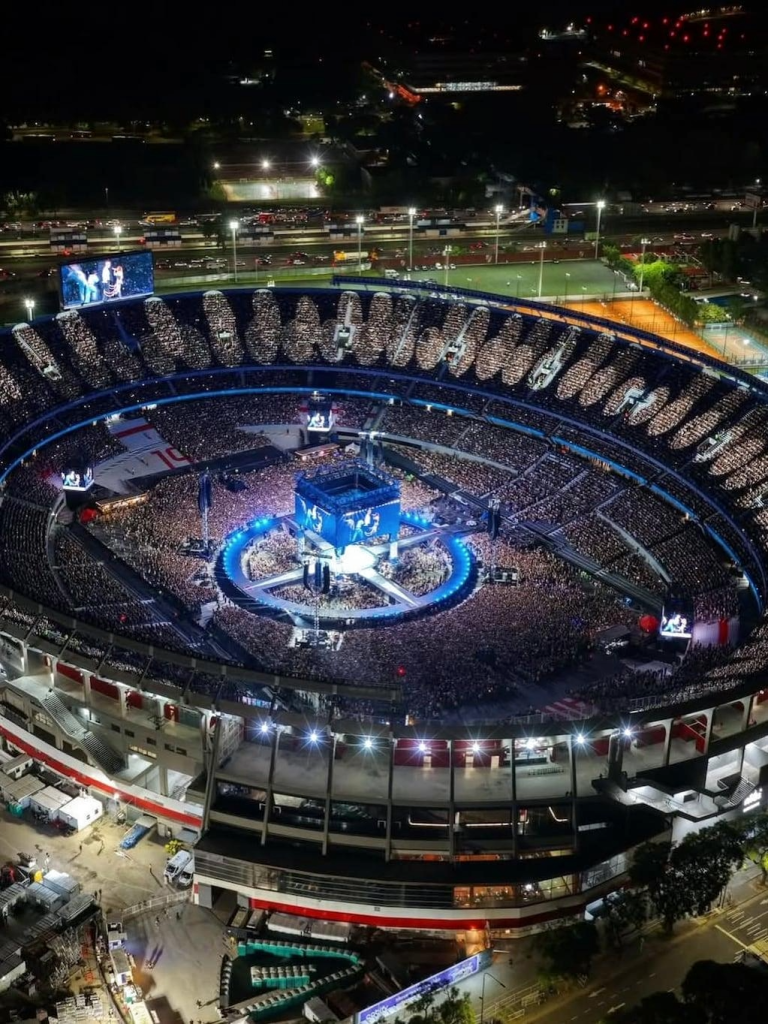
For decades, sports and art have often been treated as separate worlds.
I believe that distinction no longer exists.
The most successful events of the future will combine:
Sport.
Music.
Technology.
Architecture.
Tourism.
Media Art.
And human emotion.
The World Cup is uniquely positioned to unite all of these elements.
Football provides the reason people gather.
The experience determines what they remember.
Experience Is The New Spectacle
Beijing 2008 demonstrated scale.
London 2012 demonstrated emotion.
Qatar 2022 demonstrated identity.
Paris 2024 demonstrated place.
The next evolution is experience.
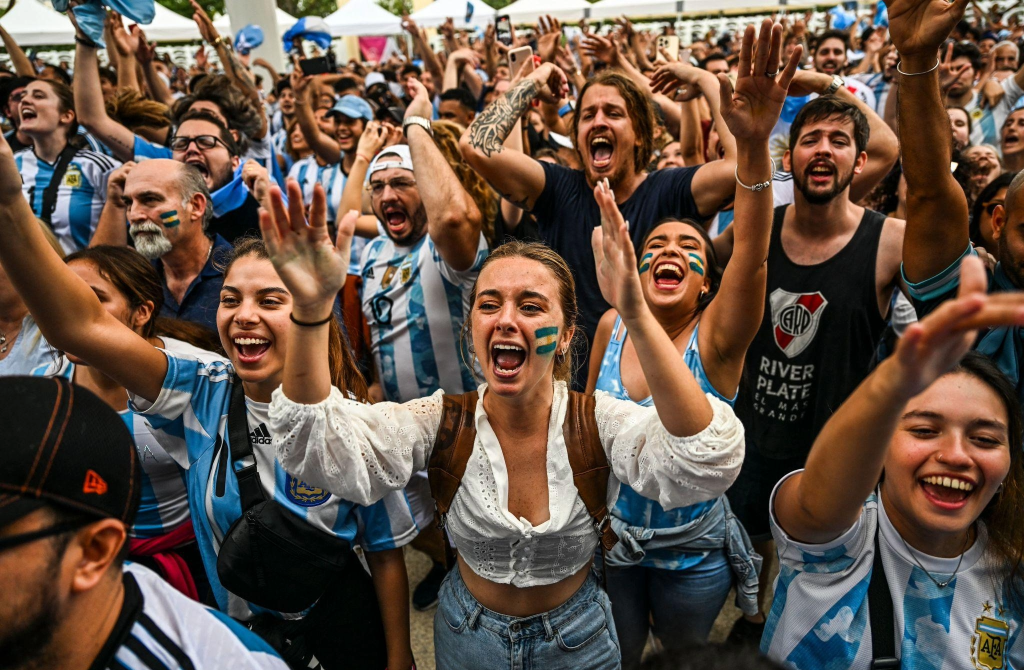
People no longer travel simply to watch events.
They travel to become part of them.
Future ceremonies must move beyond presentation and toward immersion.
Beyond observation and toward participation.
Beyond venues and toward experiences.
IMMERSIVE LAB Perspective
When I think about the future of opening ceremonies, I do not imagine larger stadiums.
I imagine stronger connections.
Connections between people.
Between cities.
Between cultures.
Between technology and emotion.
The greatest ceremonies are not remembered because they are expensive.
They are remembered because they create moments that people carry with them for the rest of their lives.
That is the future I would like to create.
And perhaps one day, the stage will be ready.
 IMMERSIVE LAB
댓글 남기기