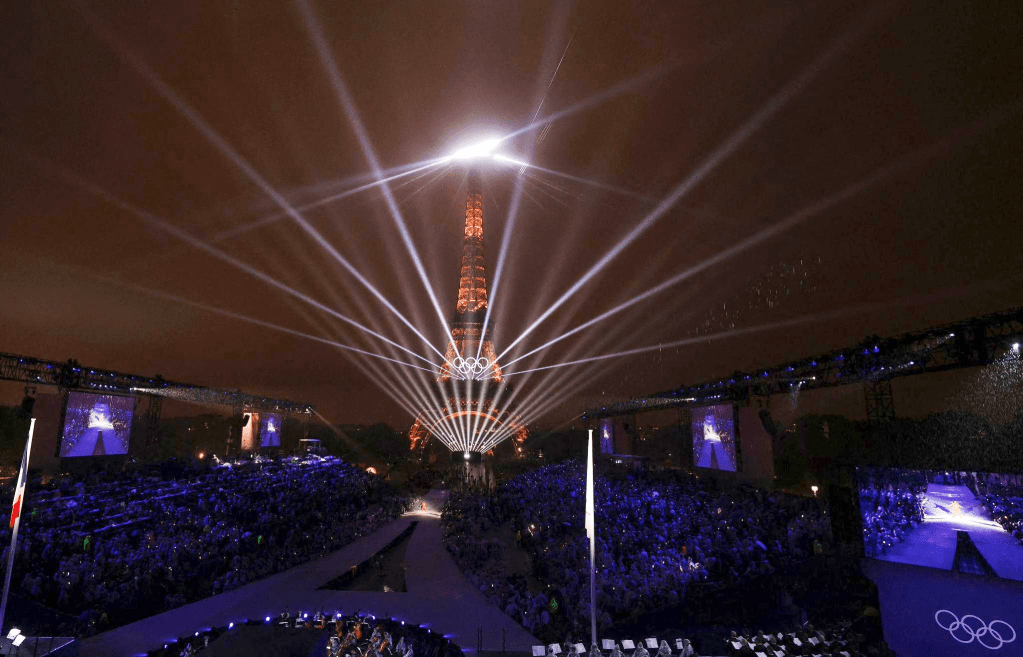
The Olympic Opening Ceremony That Redefined Live Events
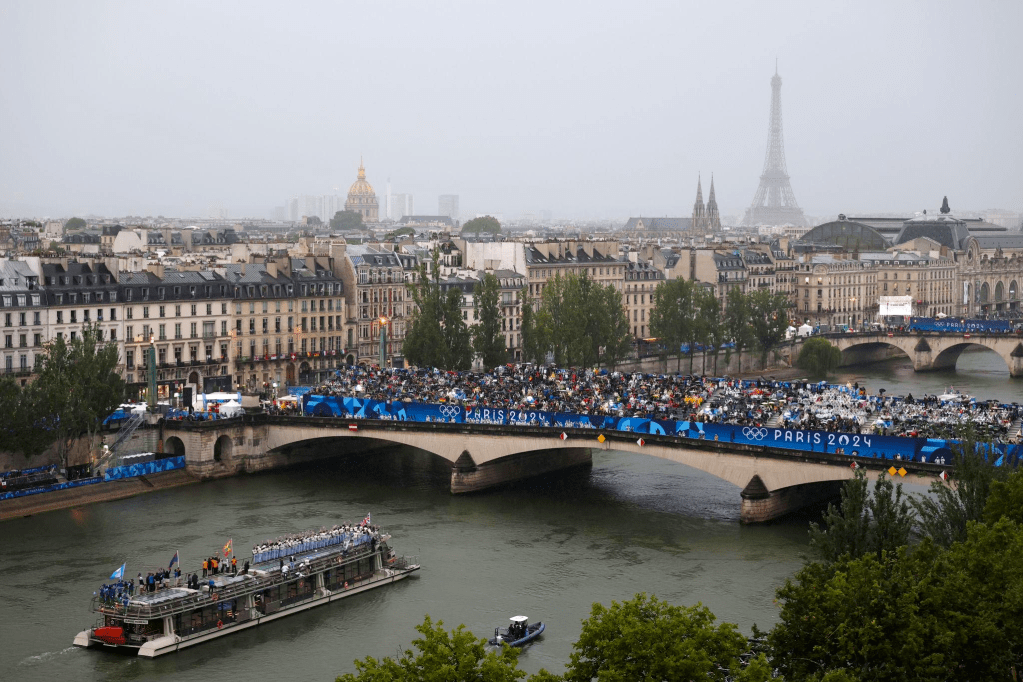
For more than a century, Olympic Opening Ceremonies followed a familiar formula.
A stadium.
A central stage.
Athletes entering the arena.
A carefully choreographed performance.
And finally, the lighting of the Olympic cauldron.
Paris 2024 changed that formula forever.
Instead of building the world’s biggest stage inside a stadium, Paris transformed the city itself into the stage.
The River Seine became the main performance venue.
Historic bridges became viewing platforms.
Landmarks became scenic backdrops.
And for the first time in Olympic history, an opening ceremony unfolded across an entire city.
This was not simply an Olympic ceremony.
It was a new vision for the future of live events.
Why Paris Abandoned The Stadium
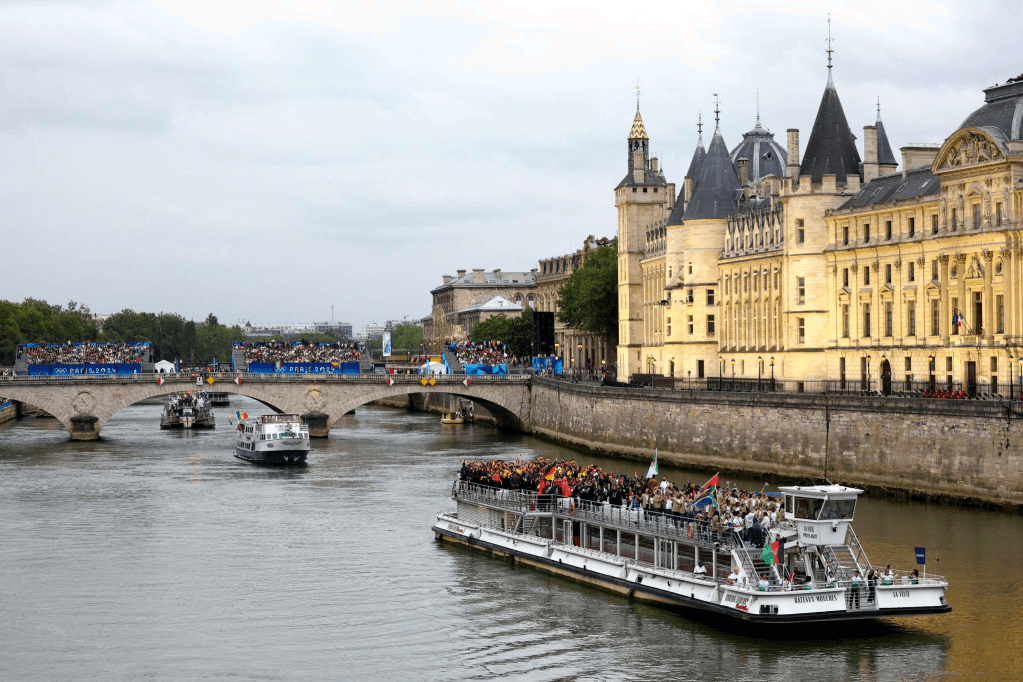
For decades, stadiums have been the natural home of major ceremonies.
They offer control.
Lighting can be designed precisely.
Audience movement can be managed.
Broadcasting becomes predictable.
But stadiums also create limitations.
Only a limited number of spectators can experience the event in person.
The city remains outside the experience.
Paris challenged that idea.
Instead of asking people to come to a venue, Paris brought the event into the city itself.
The result was one of the boldest experiments in event design ever attempted.
The Seine Became A Six-Kilometer Stage
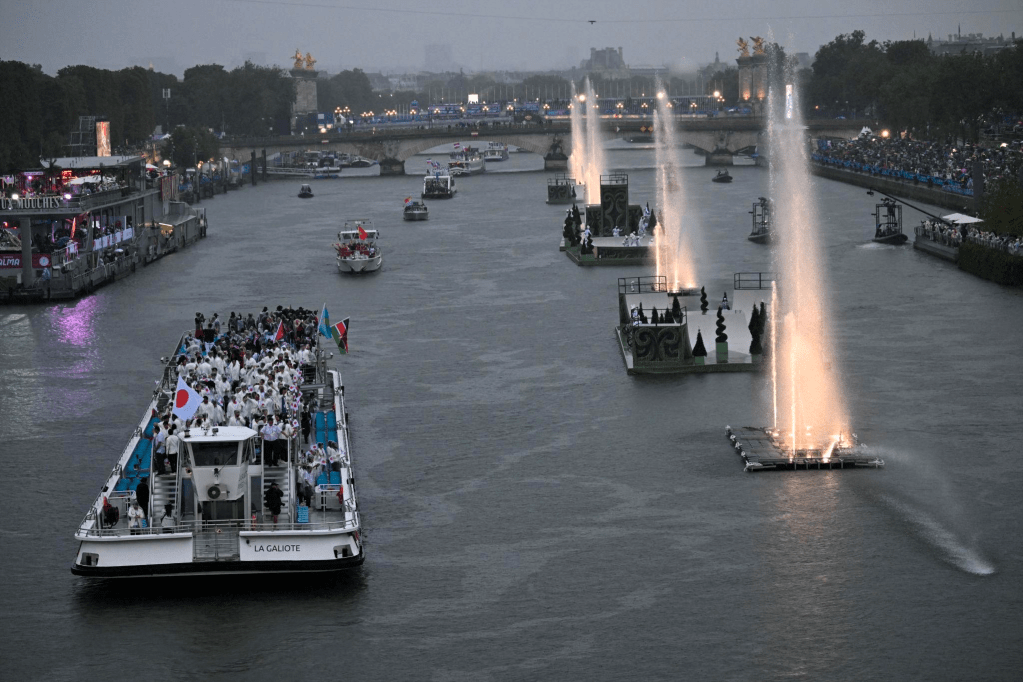
The heart of the ceremony was the River Seine.
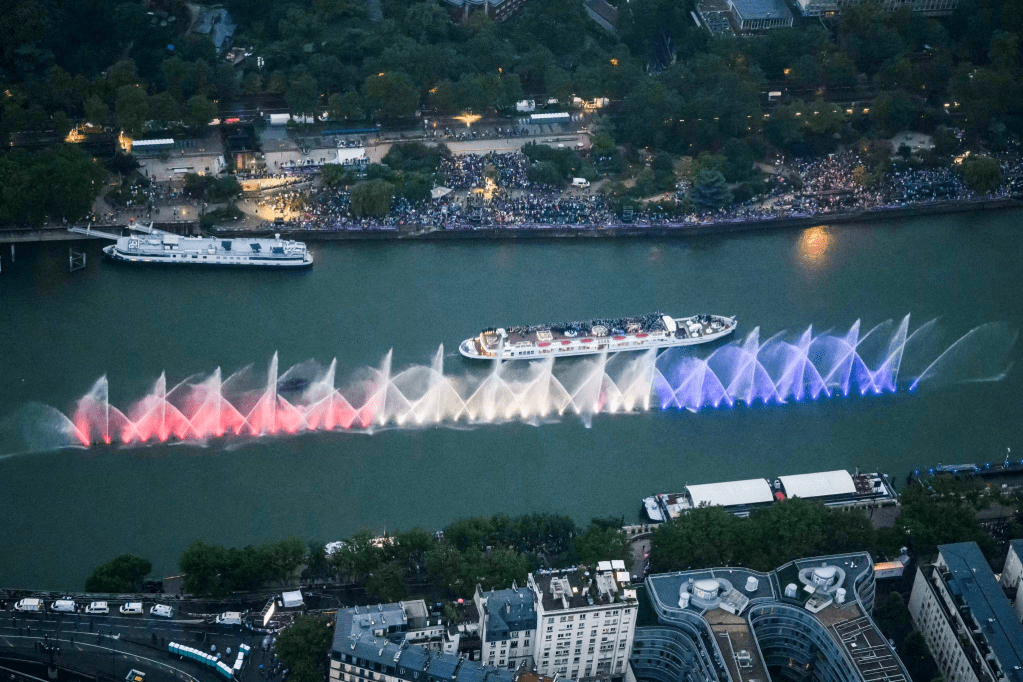
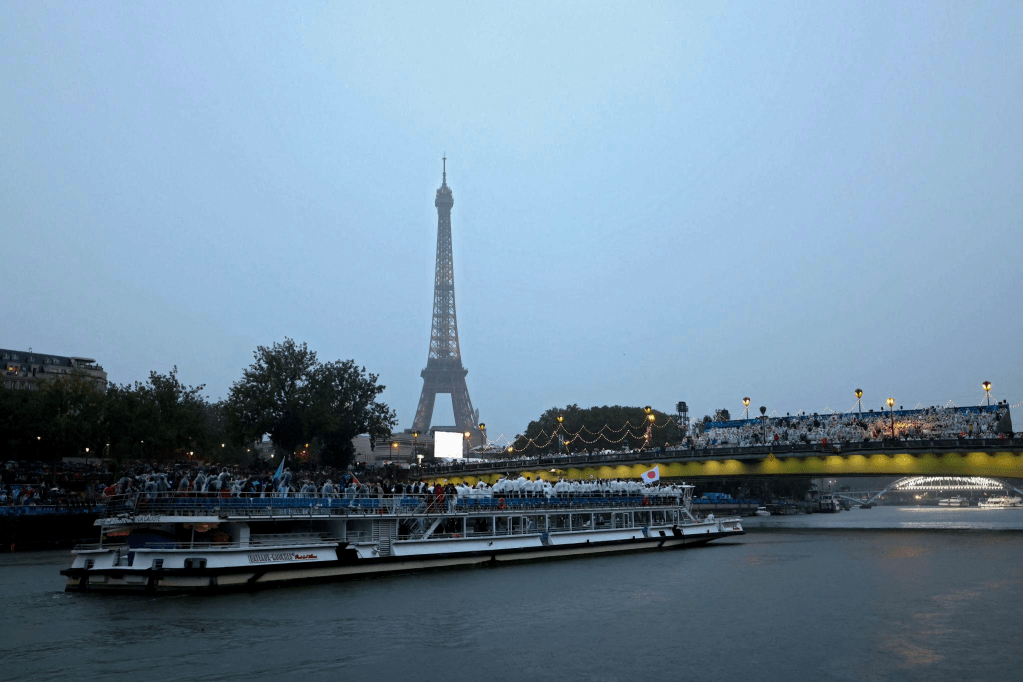
Rather than marching into a stadium, athletes traveled through the city aboard boats.
The parade unfolded across approximately six kilometers of river.
Viewers watched as athletes passed beneath historic bridges and alongside some of the world’s most recognizable architecture.
The city became a moving stage.
Unlike traditional ceremonies where the audience focuses on a single location, Paris created a constantly evolving visual journey.
The performance was not confined to one stage.
It unfolded across an entire urban landscape.
For event designers, this represented a fundamental shift in thinking.
The city itself became part of the storytelling.
The Eiffel Tower As A Performance Element
Every city has landmarks.
Few possess one as iconic as the Eiffel Tower.
Paris understood this perfectly.
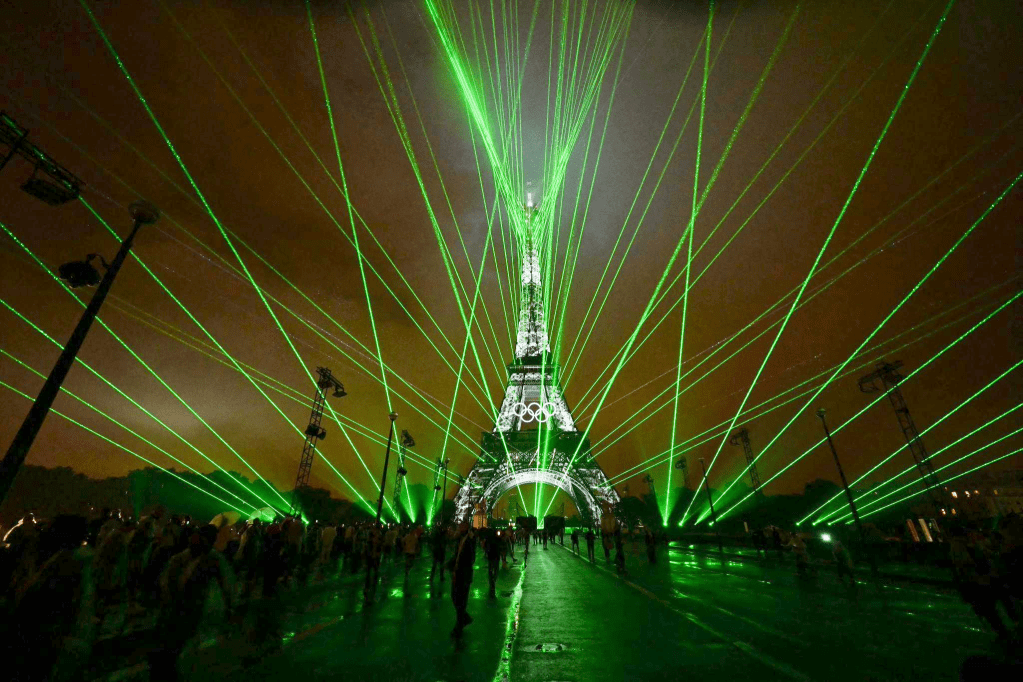
Rather than using the Eiffel Tower as a distant backdrop, the ceremony incorporated it directly into the experience.
Lighting.
Projection.
Visual effects.
Broadcast framing.
Every creative decision emphasized the tower as a central character in the event.
The result demonstrated a powerful lesson in city branding.
The strongest stage design is often already there.
It exists within the architecture, history, and identity of the city itself.
Paris did not build a new icon for the ceremony.
It activated an existing one.
When A City Becomes Content
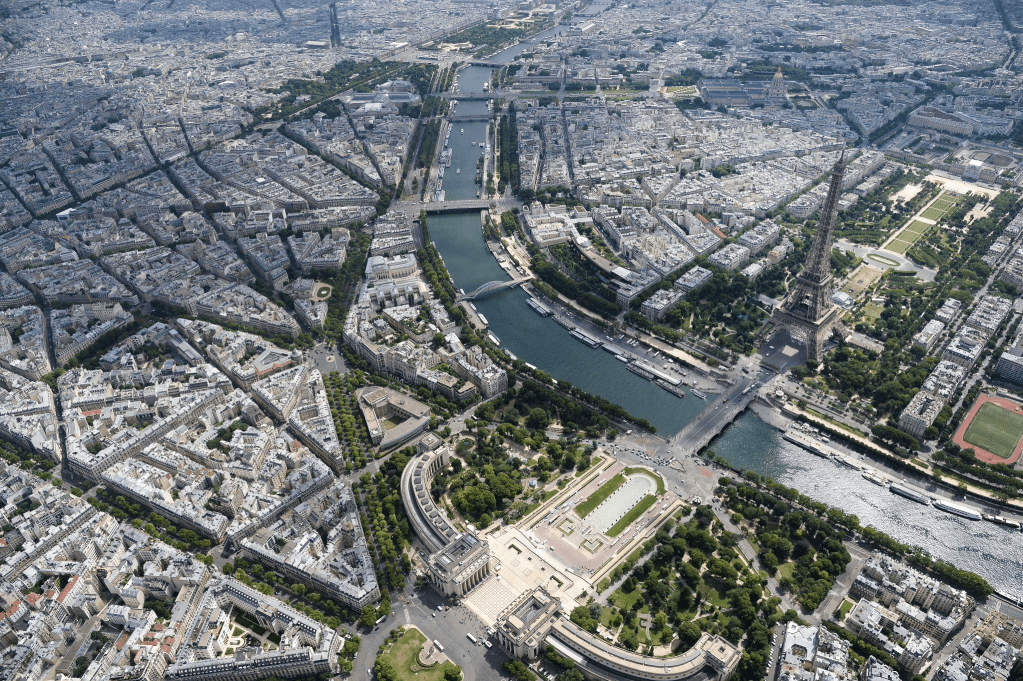
One of the most important ideas behind Paris 2024 is that cities themselves can become cultural content.
Modern audiences are looking for experiences rather than locations.
Tourists no longer travel only to attend events.
They travel to experience entire destinations.
The ceremony connected sport, tourism, architecture, culture, and public space into a single narrative.
This approach reflects a growing trend in the global experience economy.
Events are becoming increasingly integrated with urban environments.
The city is no longer a backdrop.
The city is the attraction.
A New Direction For Global Event Design
As someone who has spent decades working in live events, media art, and large-scale productions, I found Paris 2024 particularly fascinating.
The ceremony was not revolutionary because of technology.
It was revolutionary because of its perspective.
Most event organizers attempt to build bigger stages.
Paris asked a different question:
What if we stop building stages altogether?
What if the city itself becomes the experience?
That question may influence event design for years to come.
Future ceremonies may take place across waterfronts, historic districts, cultural landmarks, and entire urban regions rather than within a single venue.
Beyond Sport
The opening ceremony was ultimately about more than the Olympic Games.
It was about Paris itself.
Its history.
Its architecture.
Its culture.
Its relationship with public space.
The ceremony transformed familiar places into extraordinary experiences.
That is one of the highest achievements in event design.
Not creating something entirely new.
But allowing people to see something familiar in a completely different way.
IMMERSIVE LAB Perspective
Beijing 2008 demonstrated the power of scale.
London 2012 demonstrated the power of emotion.
Qatar 2022 demonstrated the power of identity.
Paris 2024 demonstrated the power of place.
It showed that cities are no longer merely hosts for major events.
They can become the event itself.
For the future of live entertainment, urban festivals, media art, tourism experiences, and opening ceremonies, Paris 2024 may prove to be one of the most influential productions ever created.
The future may not belong to larger stadiums.
It may belong to cities capable of transforming themselves into unforgettable stages.
 IMMERSIVE LAB
댓글 남기기