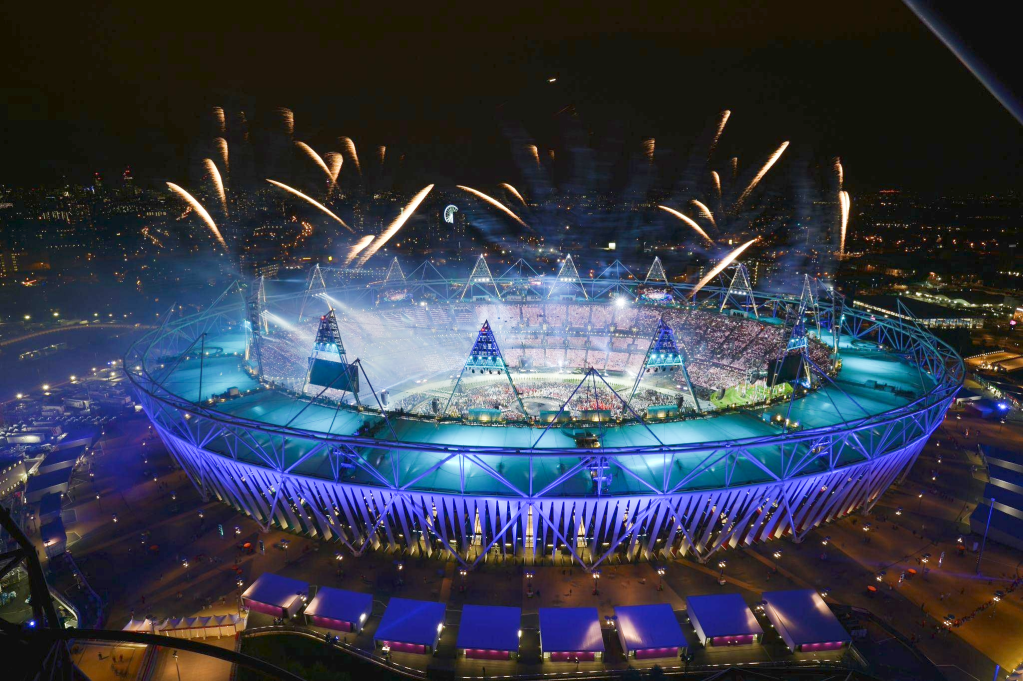
The Opening Ceremony That Touched The World
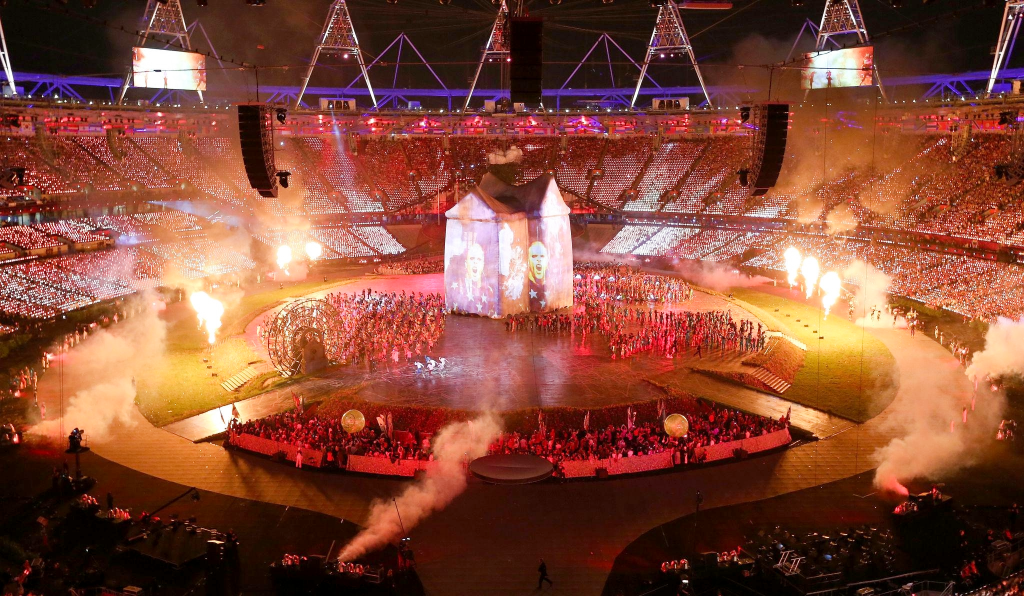
If Beijing 2008 demonstrated the power of scale, London 2012 demonstrated the power of storytelling.
More than a decade later, many event professionals still consider the London Olympic Opening Ceremony one of the most emotional and meaningful ceremonies ever created.
It was not the biggest.
It was not the most expensive.
But it may have been the most human.
As a live event designer, I believe London 2012 succeeded because it focused on something many ceremonies forget:
People remember stories more than spectacle.
A Different Kind Of Beginning
Most opening ceremonies begin with grandeur.
Massive stages.
Powerful visual effects.
Military precision.
London chose a different path.
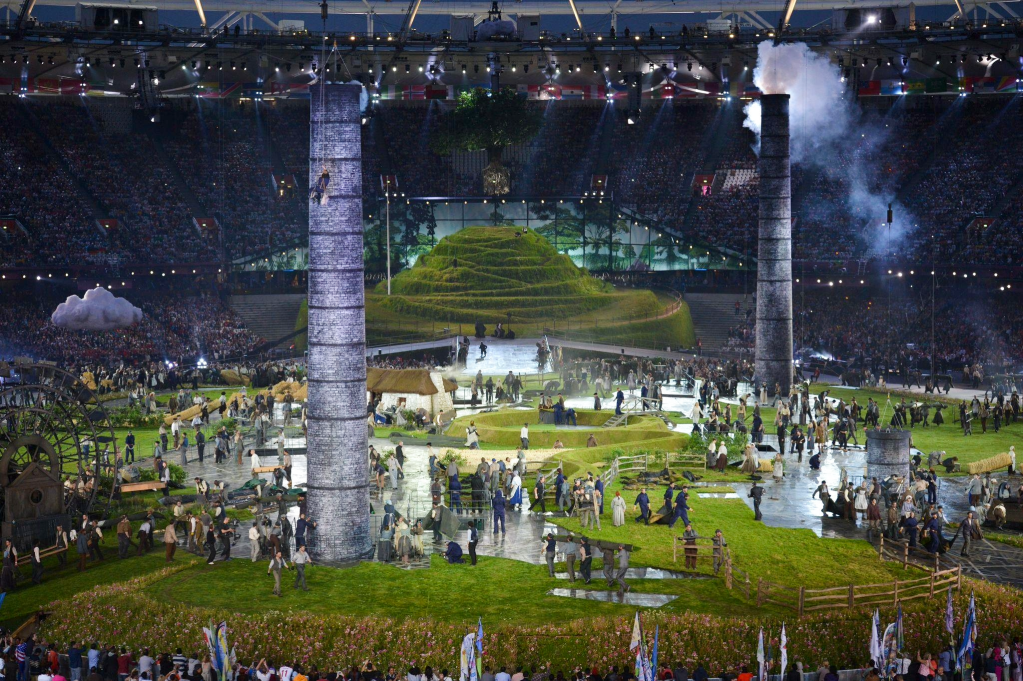
The ceremony opened with scenes of the British countryside.
Green fields.
Farmers.
Children.
Animals.
Ordinary life.
It was a surprising choice for one of the world’s biggest events.
Yet it immediately established an emotional connection with the audience.
The ceremony was not introducing a nation.
It was introducing a story.
Turning The Industrial Revolution Into Theatre
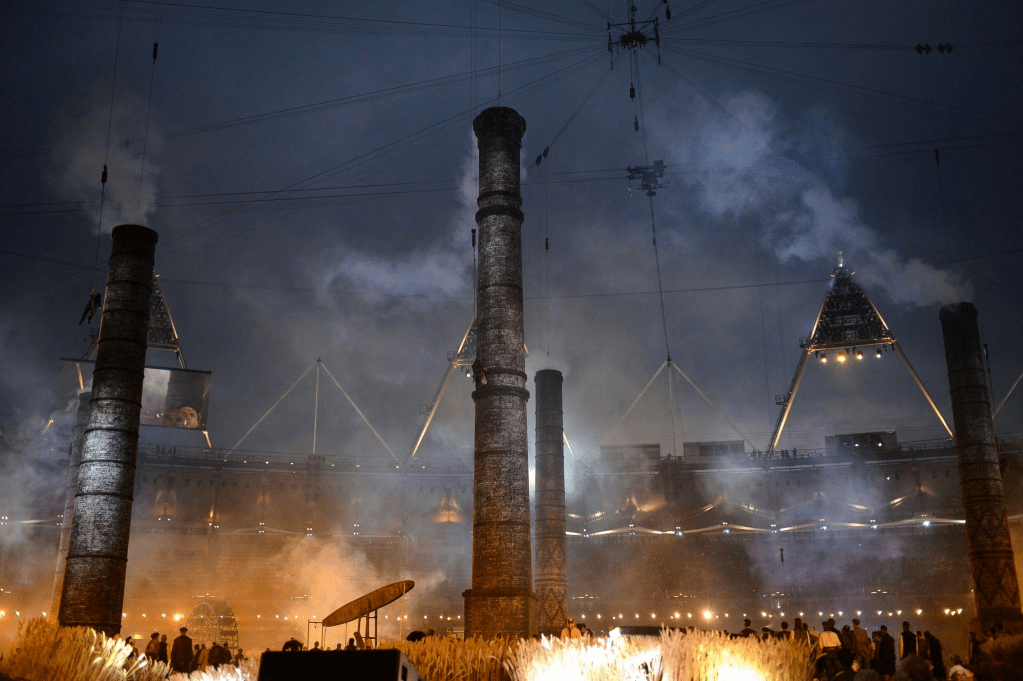
One of the most iconic sequences transformed the peaceful countryside into the birthplace of modern industry.
Workers entered the stadium.
Massive chimneys rose from the ground.
The landscape changed before the audience’s eyes.
The Industrial Revolution was not presented as history.
It became live theatre.
The moment reached its climax when molten metal appeared to forge the Olympic Rings.
Few opening ceremony moments have been as visually powerful or symbolically meaningful.
For event designers, it remains a masterclass in large-scale storytelling.
Celebrating Values Instead Of Power
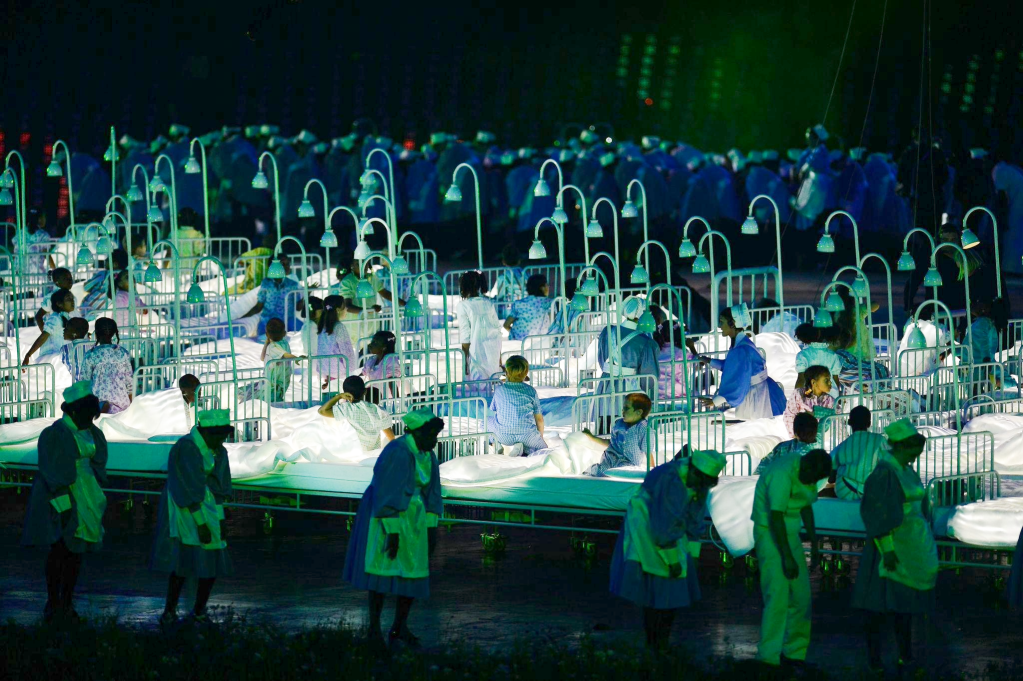
Perhaps the most unexpected part of the ceremony was the tribute to the National Health Service (NHS).
Hospital beds filled the stadium.
Doctors, nurses, and children became central performers.
Many countries would never place healthcare at the center of an Olympic ceremony.
Britain did.
The sequence communicated a simple but powerful message:
A nation’s strength is measured not only by its achievements, but by how it cares for its people.
The performance transformed a public institution into a symbol of national identity.
James Bond, The Queen, And British Humor
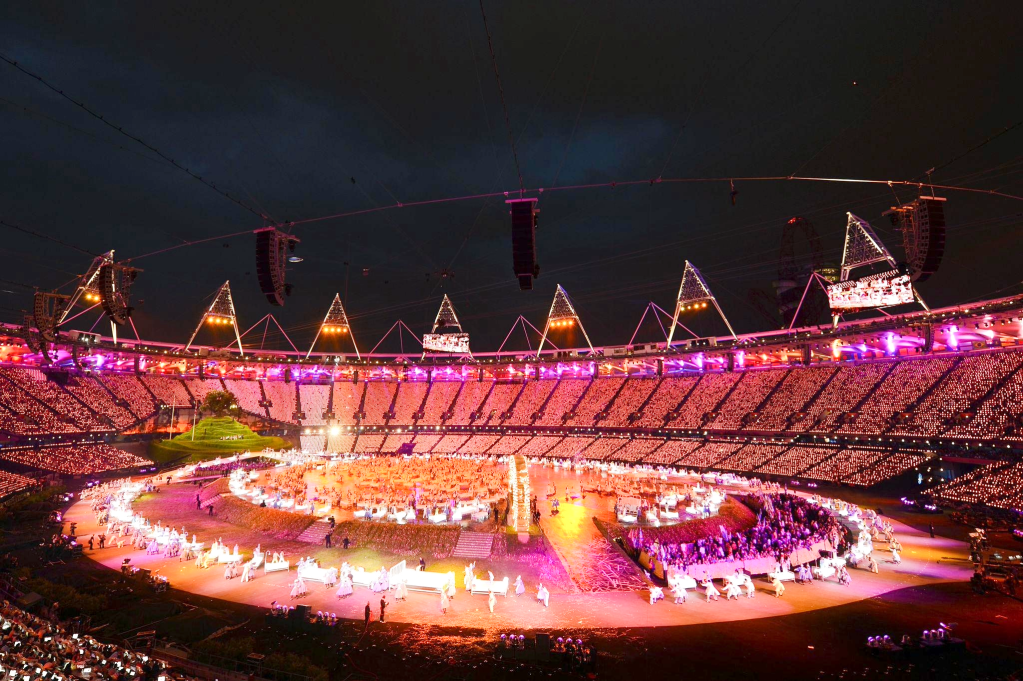
London 2012 also demonstrated something rare in major ceremonies:
A sense of humor.
One of the most memorable moments featured James Bond escorting Queen Elizabeth II before a fictional parachute jump into the stadium.
The scene was unexpected, charming, and uniquely British.
It reminded the world that ceremonies can be playful without losing their significance.
The Most Beautiful Olympic Cauldron
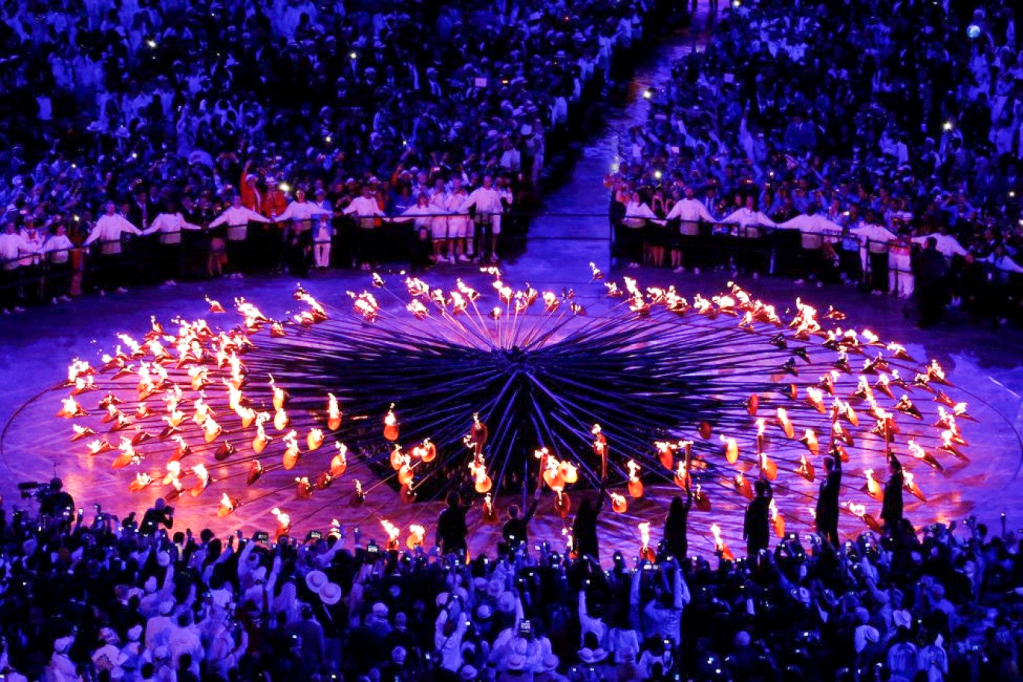
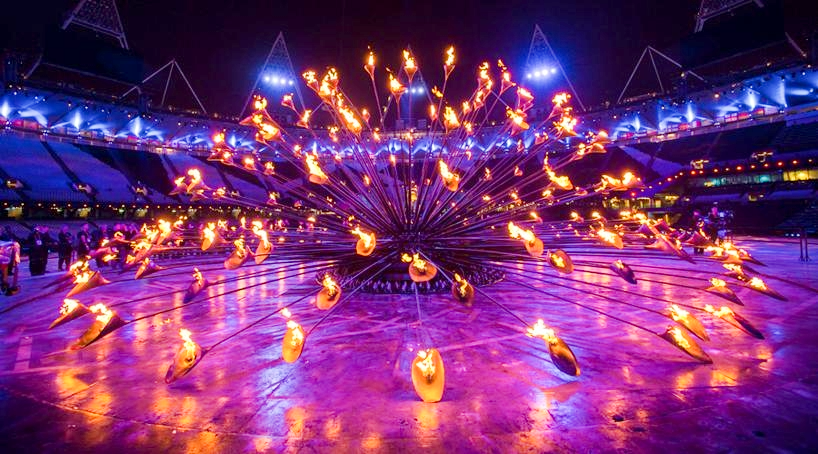
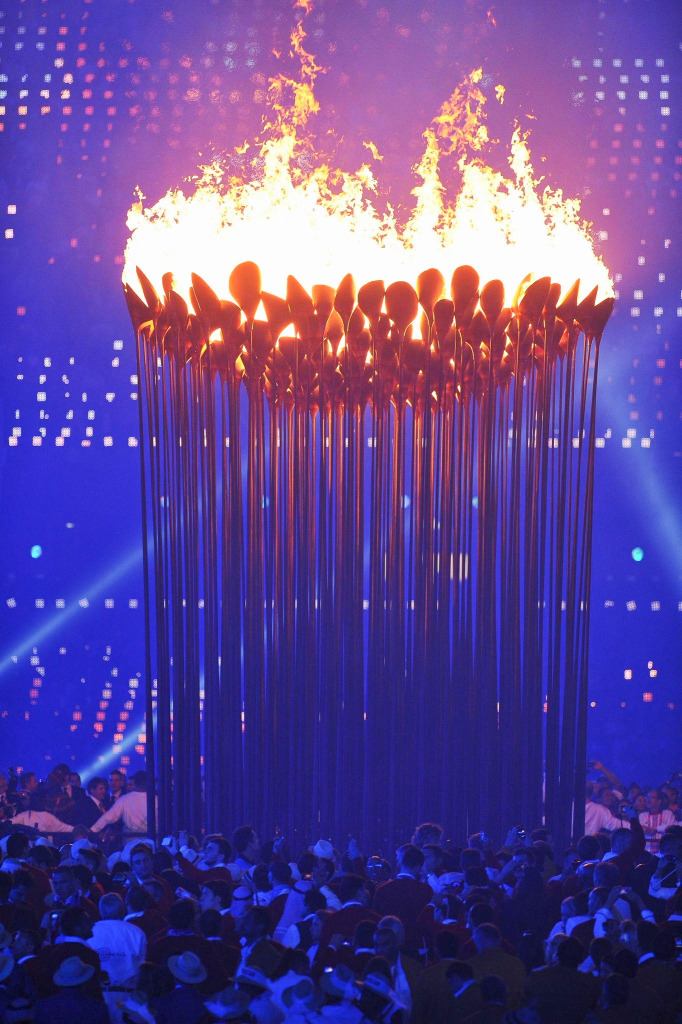
The cauldron lighting remains one of the most elegant designs in Olympic history.
Each participating nation was represented by a copper petal.
As the ceremony reached its conclusion, the petals slowly rose and united into a single flame.
The symbolism was extraordinary.
Different nations.
Different cultures.
One shared celebration.
The design reflected the true spirit of the Olympic movement.
Emotion Over Spectacle
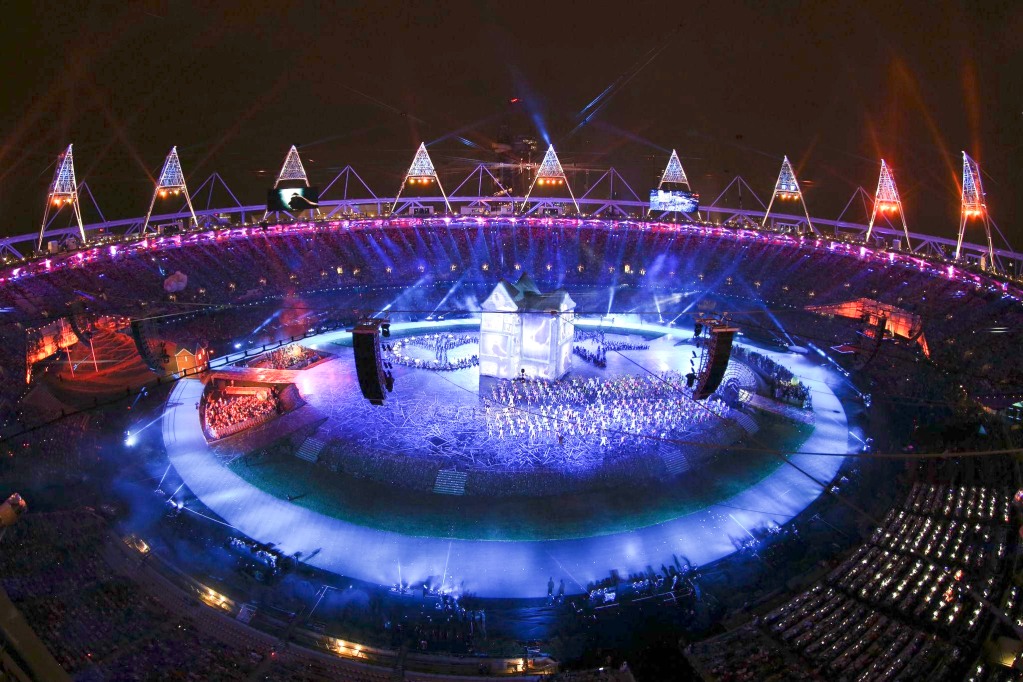
Beijing amazed the world.
London moved the world.
That distinction explains why the ceremony continues to resonate today.
Many productions focus on making audiences say “wow.”
London focused on making audiences feel something.
And emotion is what people remember.
IMMERSIVE LAB Perspective
As a live event creator, London 2012 reminds me that technology alone does not create memorable experiences.
The most successful ceremonies combine story, symbolism, culture, and human emotion.
The opening ceremony was not simply about Britain.
It was about people.
That is why, years later, it remains one of the most beloved opening ceremonies ever produced.
Great events are not remembered because they are large.
They are remembered because they make us feel connected to something bigger than ourselves.
 IMMERSIVE LAB
댓글 남기기