
Designing The Largest Live Experience On Earth
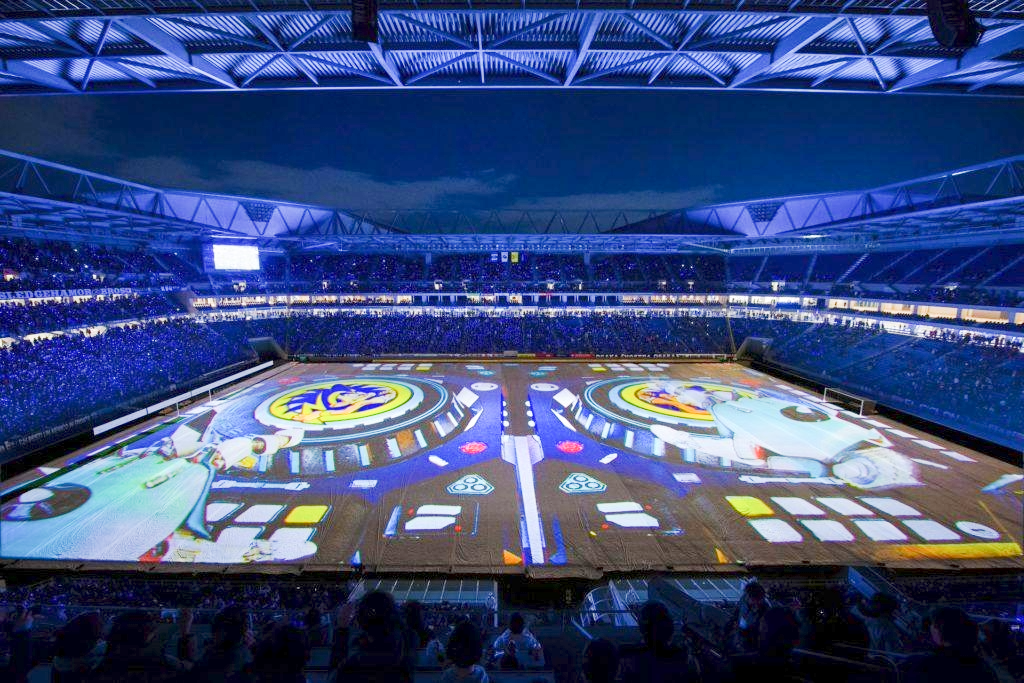
The FIFA World Cup 2026 will be unlike any tournament in history.
Hosted across the United States, Canada, and Mexico, it will bring together 48 nations, millions of visitors, and billions of viewers around the world.
For most people, the World Cup is about football.
For me, it is about the opening ceremony.
Because before the first whistle is blown, before the first goal is scored, there is one moment when the entire world is watching the same stage.
That moment defines how the tournament will be remembered.
If I were asked to direct the FIFA World Cup 2026 Opening Ceremony, I would not begin with football.
I would begin with connection.
One Continent, One Stage
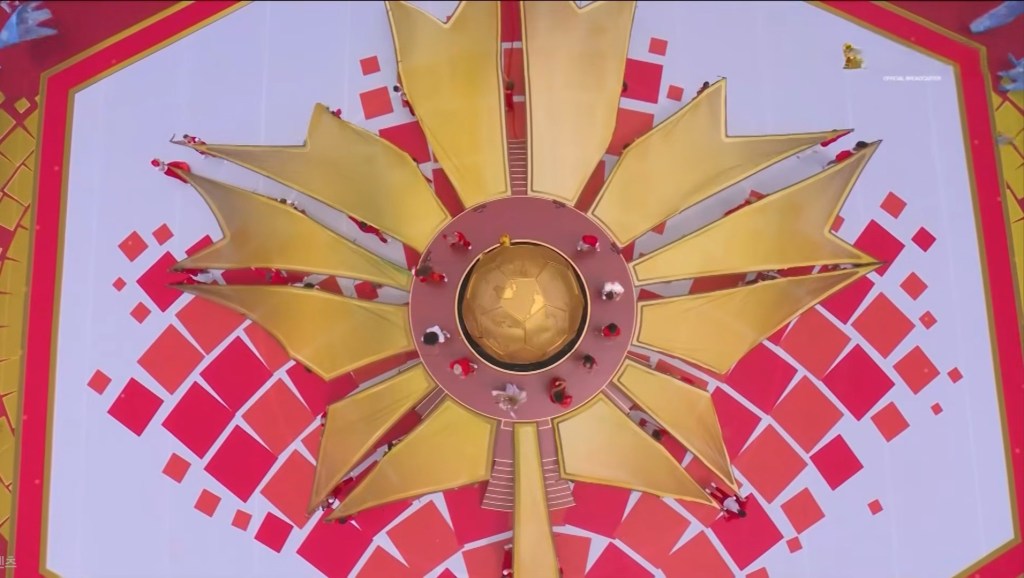
This World Cup belongs to three nations.
The United States.
Canada.
Mexico.
Rather than focusing on borders, I would focus on what connects them.
The ceremony would begin in darkness.
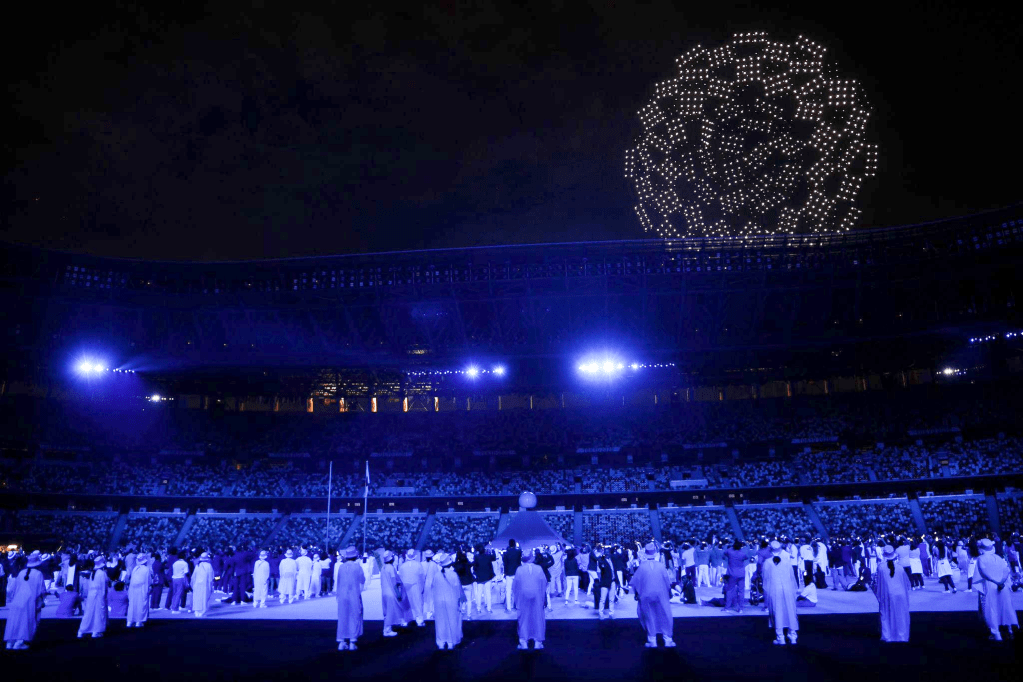
Thousands of drones would rise above the stadium and slowly create a luminous map of North America.
The audience would watch as cities, rivers, mountains, and cultural symbols emerged in the night sky.
The message would be simple:
Three nations.
One continent.
One World Cup.
The Stadium As A Living Canvas
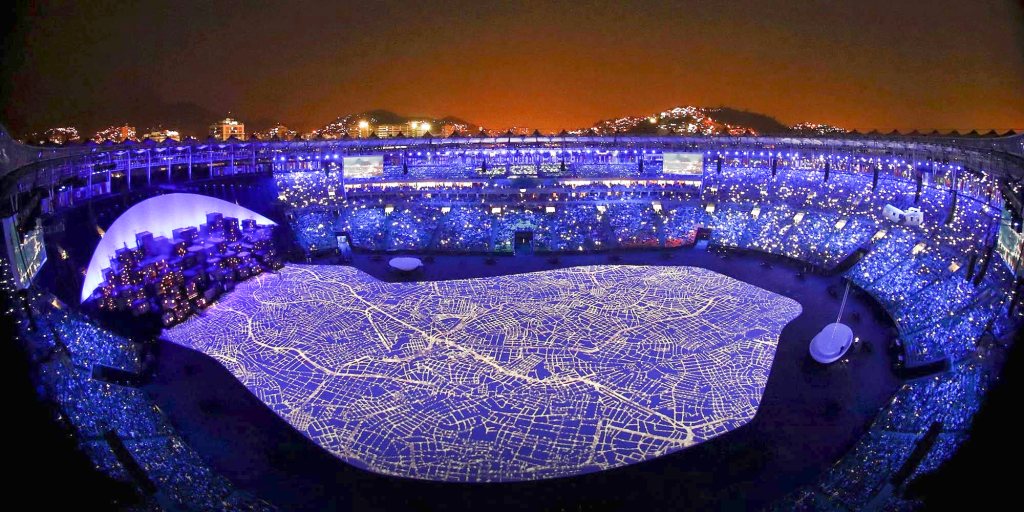
Traditional opening ceremonies rely on a central stage.
Future ceremonies should transform the entire venue into a storytelling platform.
The field.
The seating bowl.
The roof structure.
The exterior architecture.
Every surface should become part of the narrative.
Projection mapping, immersive LED systems, synchronized lighting, and spatial audio would transform the stadium into a living canvas.
The audience would no longer watch the performance.
They would exist inside it.
Drones As A New Storytelling Language
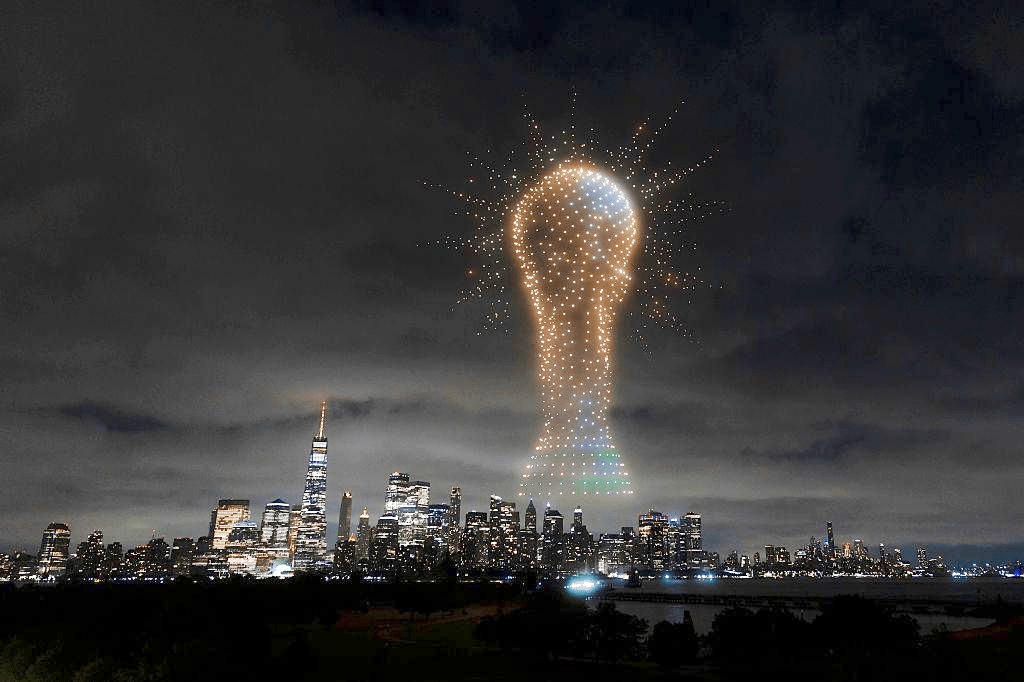
Drone technology has become one of the most powerful tools in modern live entertainment.
Yet many productions still use drones as visual decoration.
I would use them as narrative devices.
Thousands of synchronized drones would tell the story of football itself.
The evolution of the game.
Legendary moments.
Global unity.
The future generation of players.
The sky above the stadium would become a moving storybook visible to millions.
Every Spectator Becomes A Performer
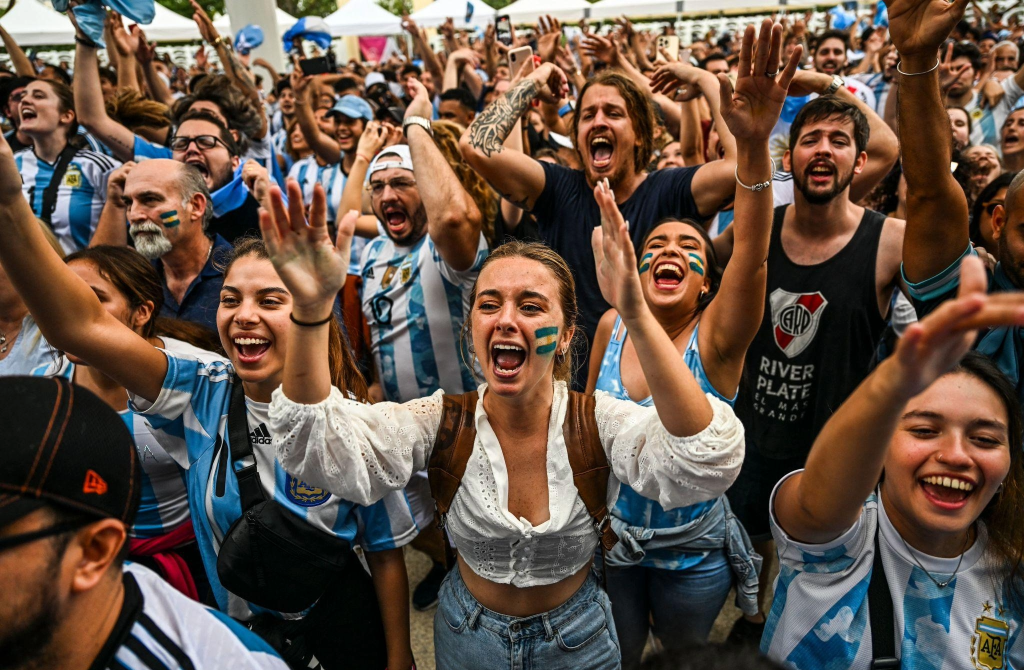
The future of live entertainment is participation.
The audience should never remain passive.
Every spectator would receive an interactive lighting device connected to the show system.
Through synchronized lighting, mobile interaction, and real-time participation, tens of thousands of spectators would become part of the visual composition.
The crowd itself would become a performance element.
Connecting Cities Across North America
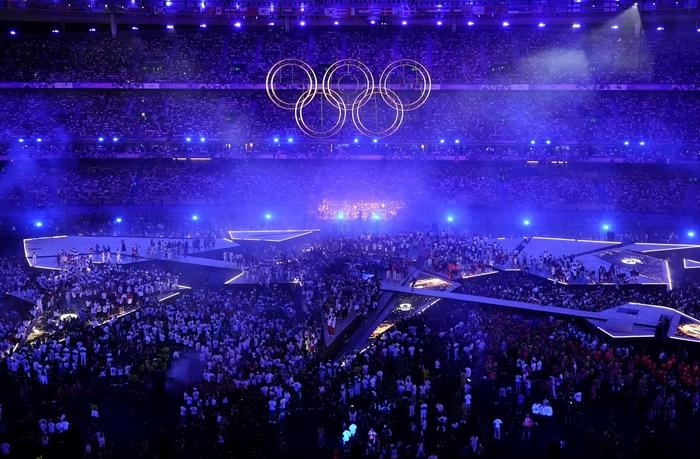
The opening ceremony should not be confined to one location.
Technology allows us to think much bigger.
Live connections could integrate New York, Los Angeles, Toronto, Vancouver, Dallas, and Mexico City into a single shared moment.
Public spaces, landmarks, and fan festivals could become extensions of the ceremony itself.
Instead of one venue, an entire continent becomes the stage.
Beyond Sport
The greatest ceremonies are remembered not because of their scale but because of their emotion.
People may forget the final score.
They rarely forget the feeling created by an unforgettable opening moment.
The goal of the ceremony would not be to celebrate football.
The goal would be to celebrate humanity gathering together through football.
IMMERSIVE LAB Perspective
The future of global events lies at the intersection of technology, culture, architecture, and audience experience.
World Cup 2026 presents an opportunity to redefine what an opening ceremony can be.
Not a performance.
Not a broadcast.
But a shared global experience.
If designed correctly, the opening ceremony could become one of the most memorable live events of the decade.
And perhaps the moment people remember most from the entire tournament.
 IMMERSIVE LAB
댓글 남기기