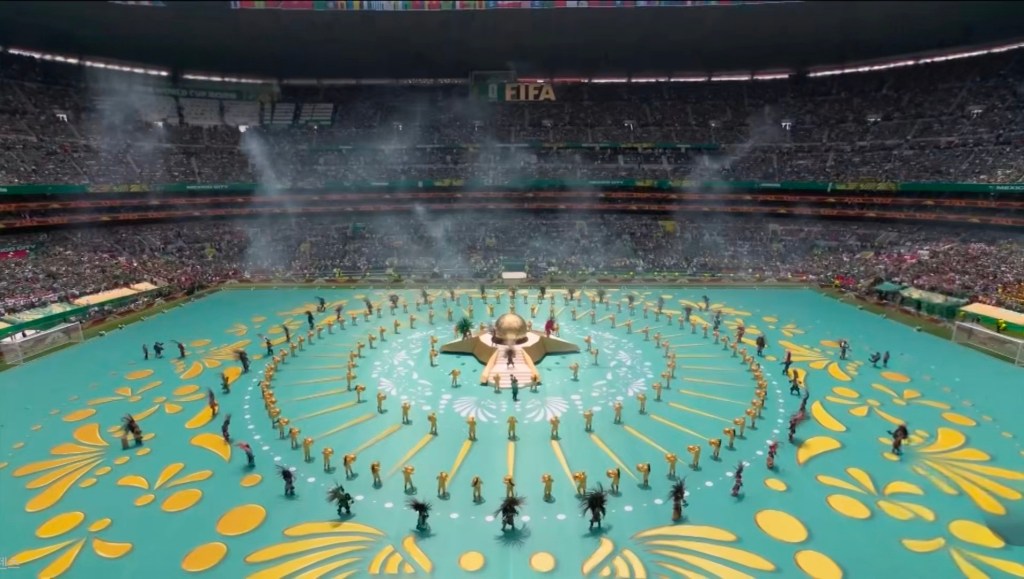
Beyond The Stadium
When people think about the FIFA World Cup, they often imagine iconic stadiums, world-class players, and unforgettable matches.
However, the success of a World Cup depends on much more than what happens on the field.
Host cities play a critical role in shaping the experience for millions of visitors.
For FIFA World Cup 2026, cities across the United States, Canada, and Mexico are preparing to welcome the world.
The competition between host cities has already begun.
New York: The Global Gateway
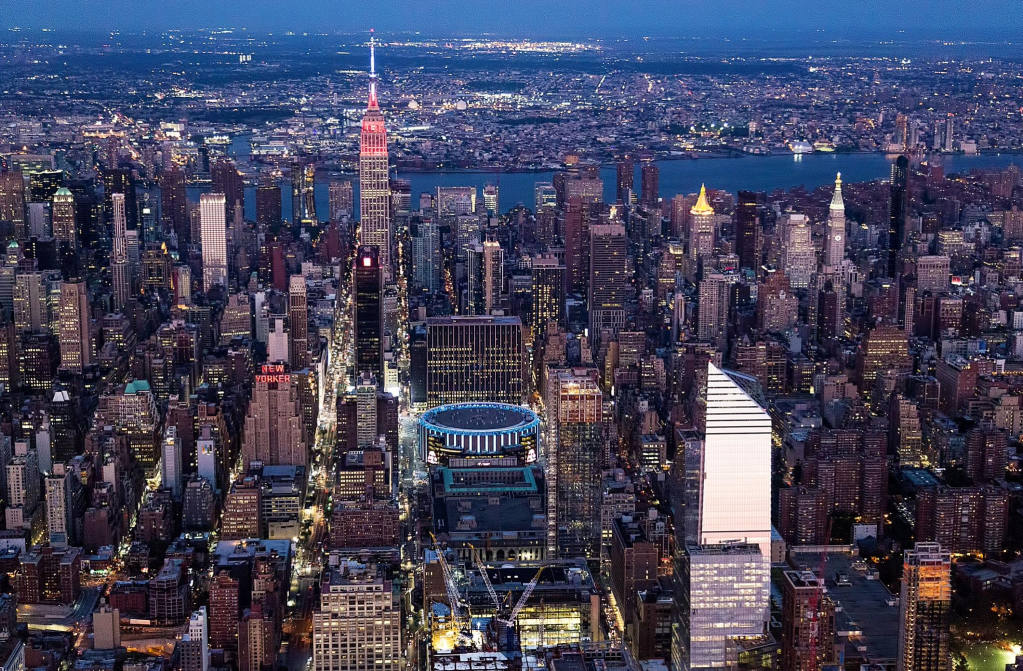
New York is one of the world’s most recognizable cities.
With its iconic skyline, Times Square, and cultural diversity, the city offers a unique platform for global events.
During the World Cup, New York is expected to become a gathering place for international fans.
Fan festivals, cultural events, and entertainment experiences will extend far beyond the stadium itself.
Los Angeles: Entertainment Meets Football
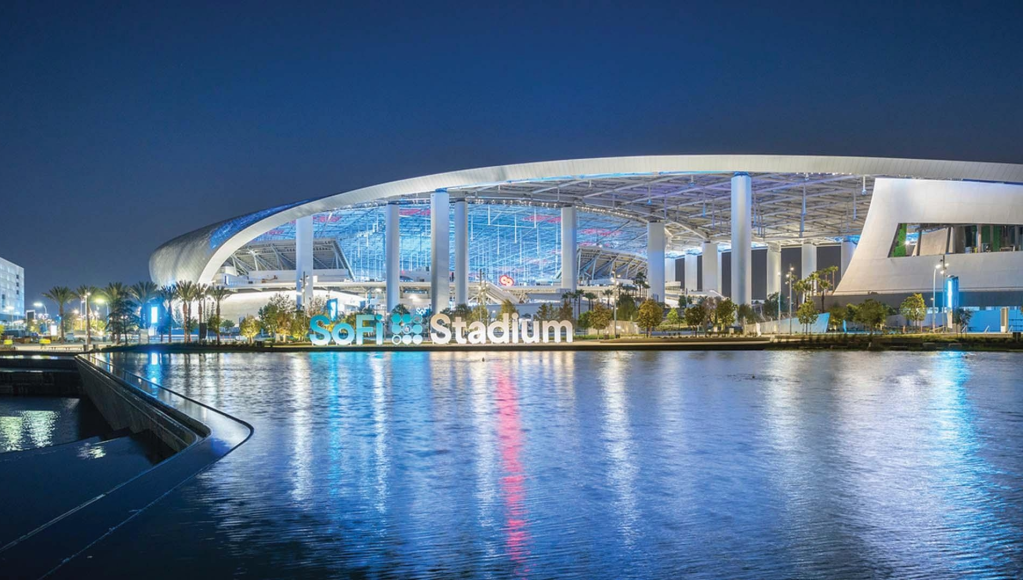
Los Angeles brings a different energy to the tournament.
As the entertainment capital of the world, the city is uniquely positioned to combine football with music, culture, and live experiences.
SoFi Stadium represents the future of venue design, while Hollywood provides endless opportunities for storytelling and global media exposure.
Few cities can blend sports and entertainment as effectively as Los Angeles.
Dallas: A Business And Sports Hub
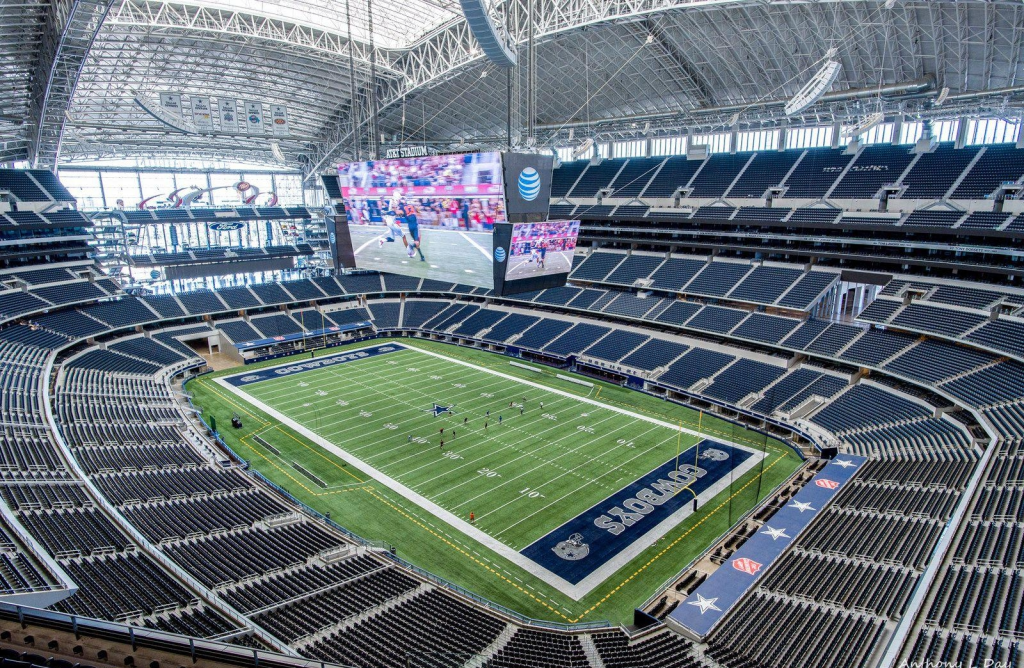
Dallas is known for its strong connection to sports and large-scale event production.
Home to AT&T Stadium, the city is expected to host major fan experiences, sponsor activations, and corporate hospitality programs.
The World Cup will generate significant economic opportunities for the region.
Mexico City: Football Passion And Heritage
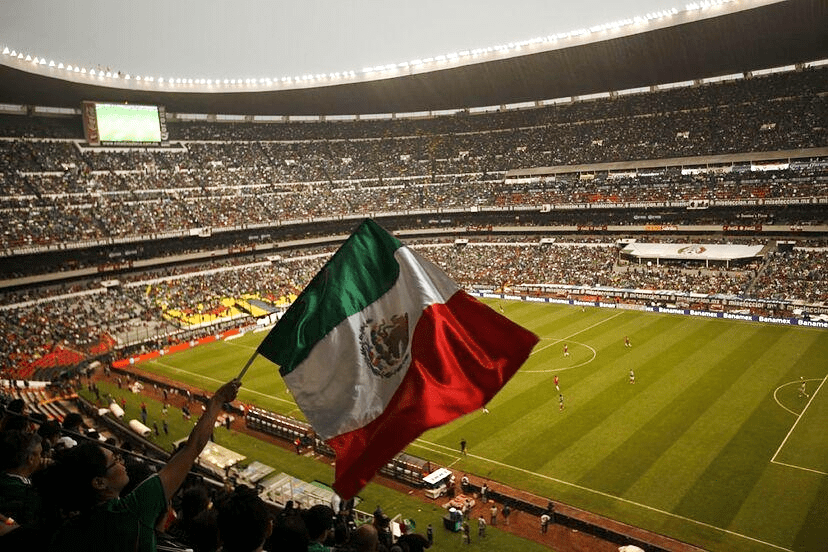
Few cities in the world have a football culture as deep as Mexico City.
Home to the legendary Estadio Azteca, the city carries decades of World Cup history.
Fans from around the world will experience a unique combination of tradition, passion, and hospitality.
Mexico City will serve as a reminder that football is more than a game—it is part of cultural identity.
Toronto And Vancouver: A Sustainable Future
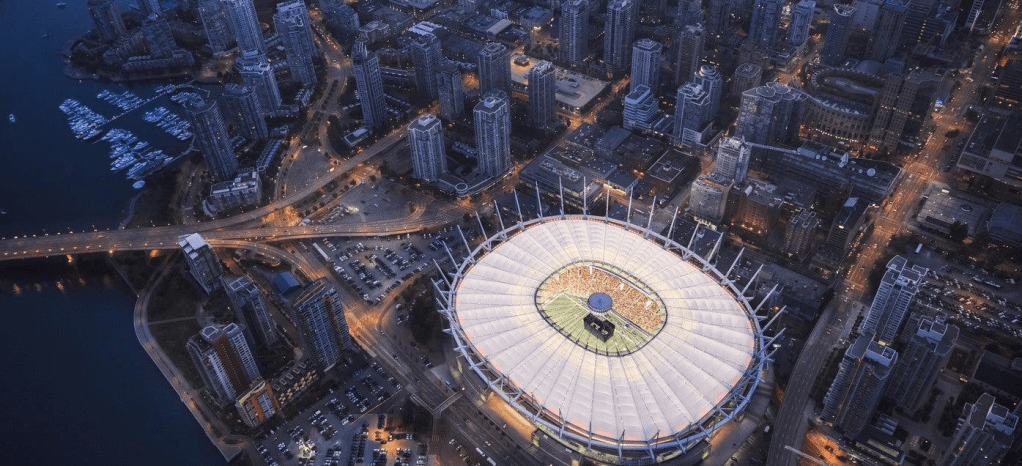
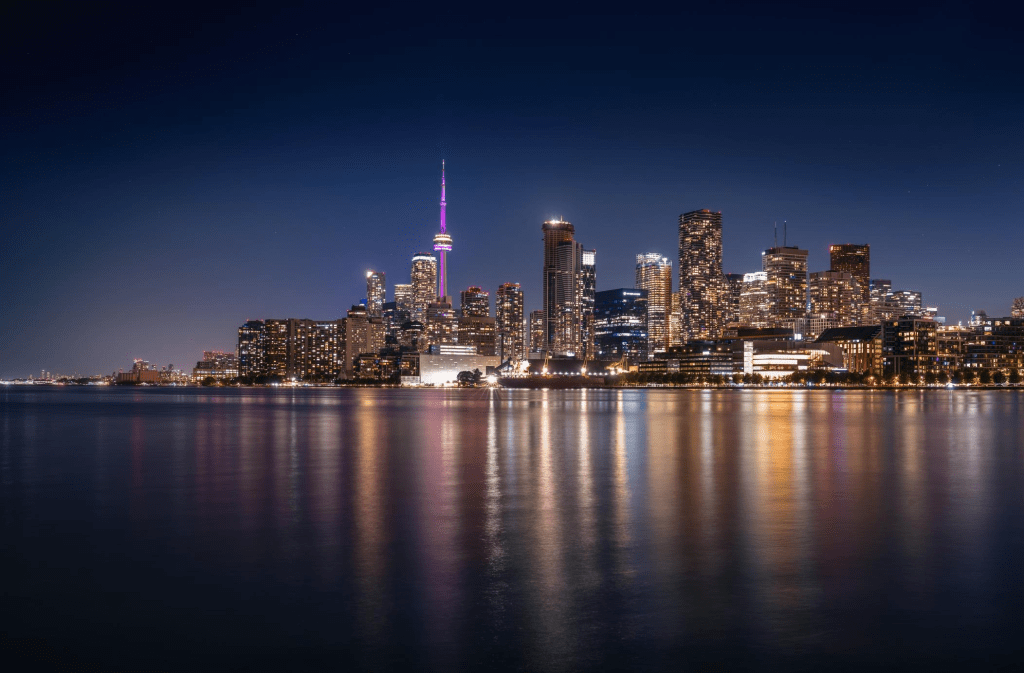
Canada’s host cities offer a different perspective on the future of global events.
Toronto and Vancouver are recognized for their multicultural communities, advanced infrastructure, and commitment to sustainability.
Their approach may help define how future mega-events are organized in an environmentally responsible way.
The World Cup As A City Experience
Modern mega-events are no longer confined to stadiums.
Public spaces, transportation systems, entertainment districts, and digital platforms all contribute to the overall experience.
The cities that create the most memorable environments will leave the strongest impression on visitors.
IMMERSIVE LAB Perspective
The future of major events belongs to cities that can create immersive experiences.
World Cup 2026 is not simply a football tournament.
It is a global showcase of urban culture, entertainment, technology, and audience engagement.
The most successful host cities will be those that transform the entire city into a stage.
 IMMERSIVE LAB
댓글 남기기