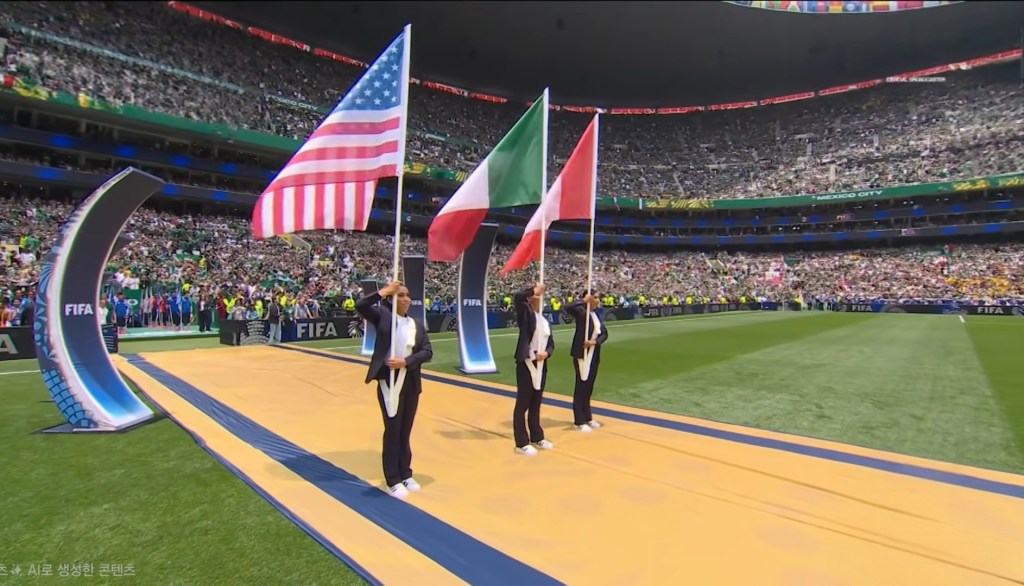
A Tournament Unlike Any Before
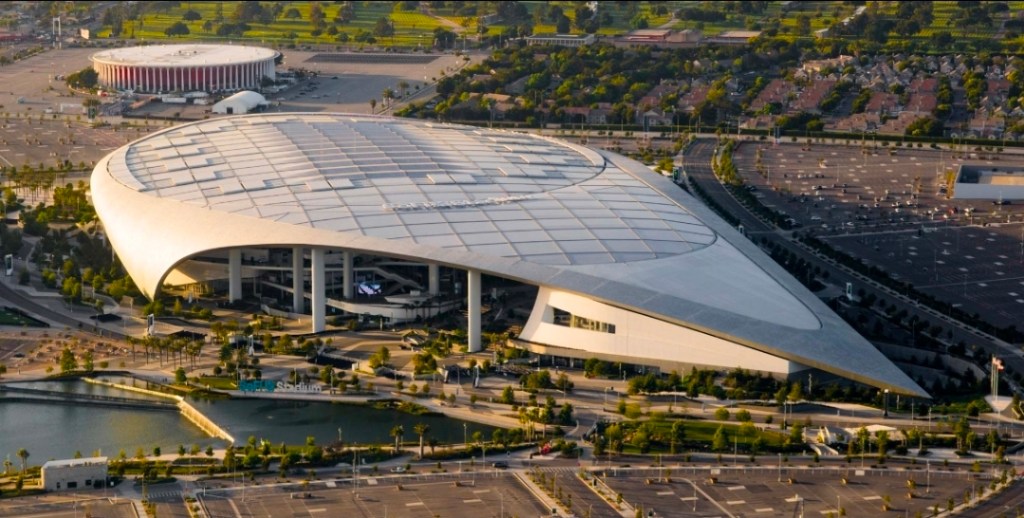
The FIFA World Cup 2026 will mark a historic moment in global sports.
For the first time in history, the tournament will be hosted by three nations: the United States, Canada, and Mexico.
The event will feature an expanded format with 48 national teams and matches spread across multiple cities and stadiums throughout North America.
This is not simply a larger World Cup.
It is the beginning of a new era for global events.
Three Countries, One Tournament
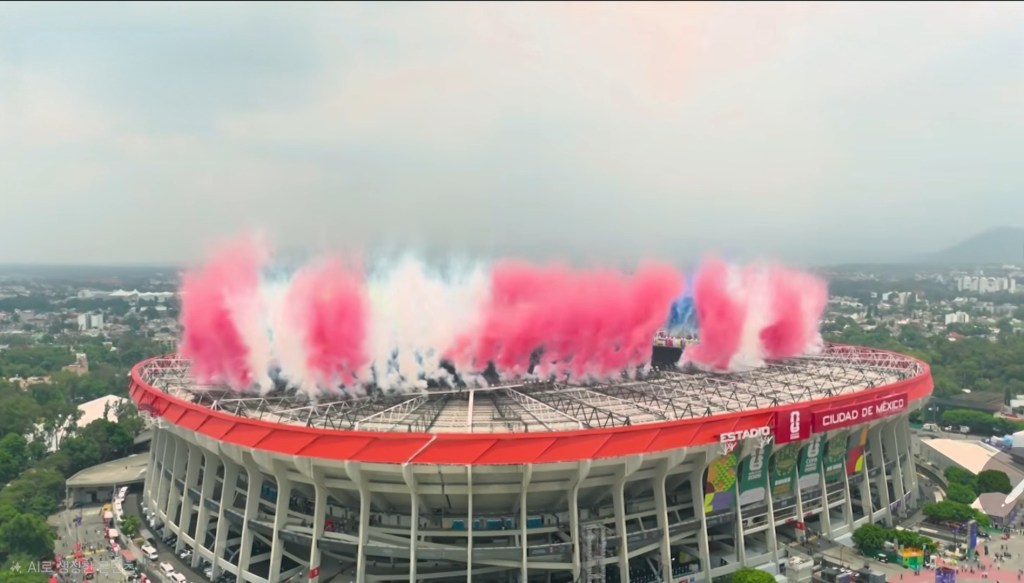
Previous World Cups have been hosted by a single nation or, in rare cases, two nations.
World Cup 2026 takes international cooperation to an entirely new level.
The United States brings world-class stadium infrastructure.
Canada contributes modern urban environments and a strong multicultural identity.
Mexico offers one of the richest football traditions in the world.
Together, these three countries will create a unique continental-scale event.
The Rise Of Experience-Driven Events
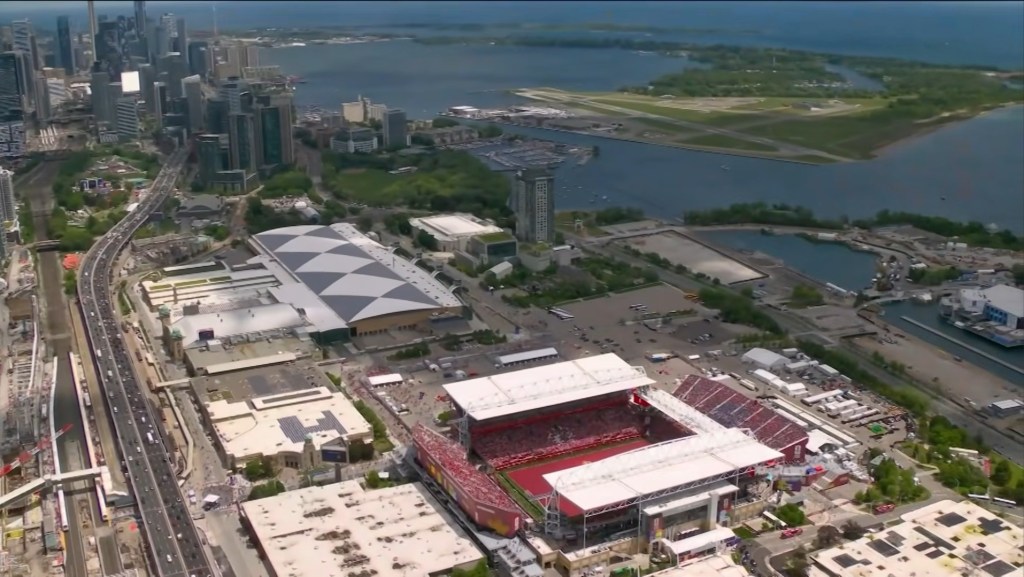
Modern audiences no longer travel simply to watch a match.
They travel for experiences.
Fan festivals.
Interactive attractions.
Cultural events.
Digital engagement.
Entertainment districts.
World Cup 2026 will place greater emphasis on audience experience than any previous tournament.
For many visitors, the journey surrounding the match may become just as memorable as the game itself.
Stadiums Built For The Future
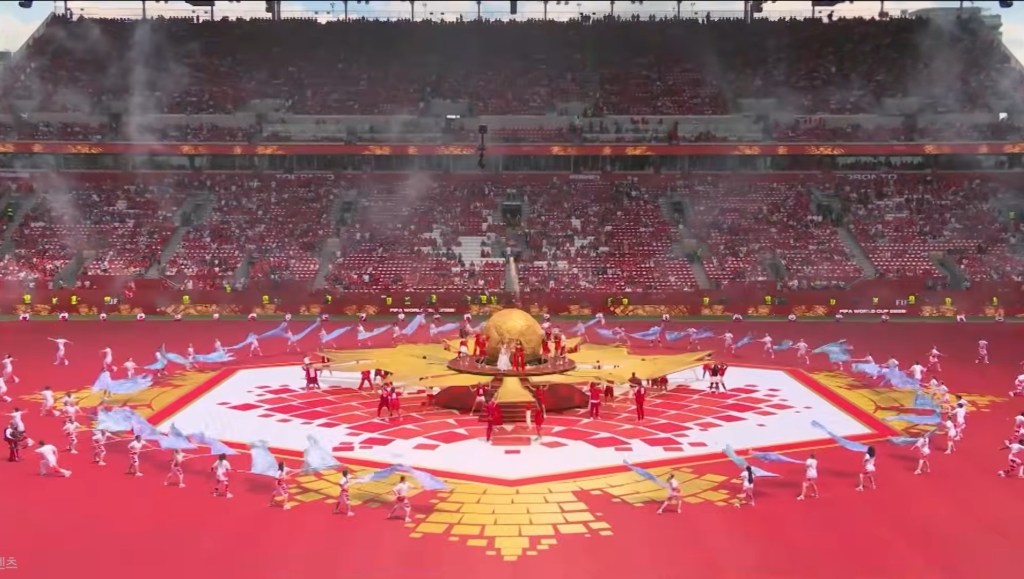
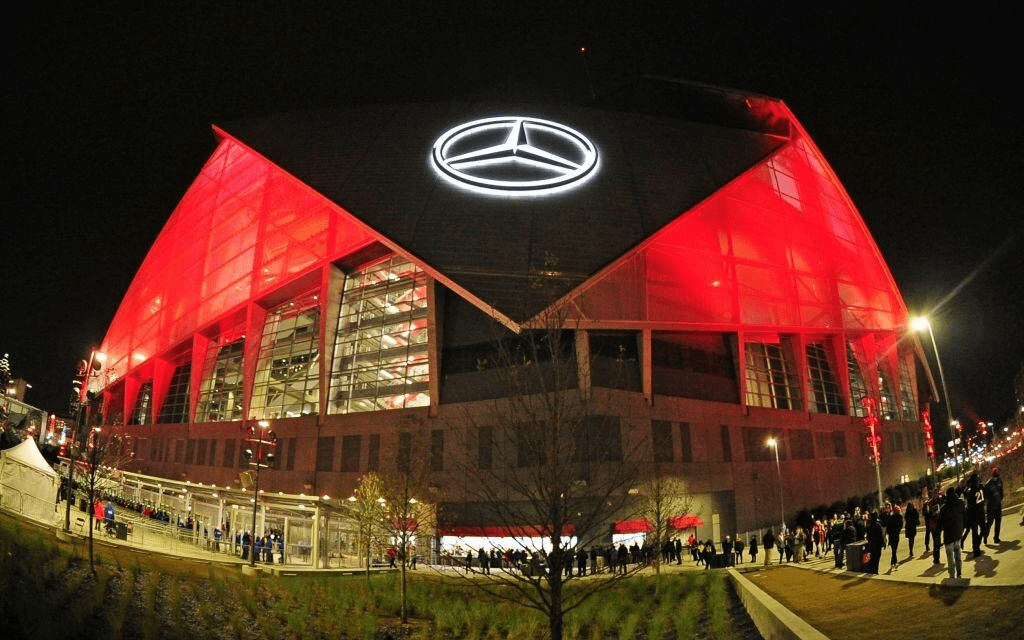
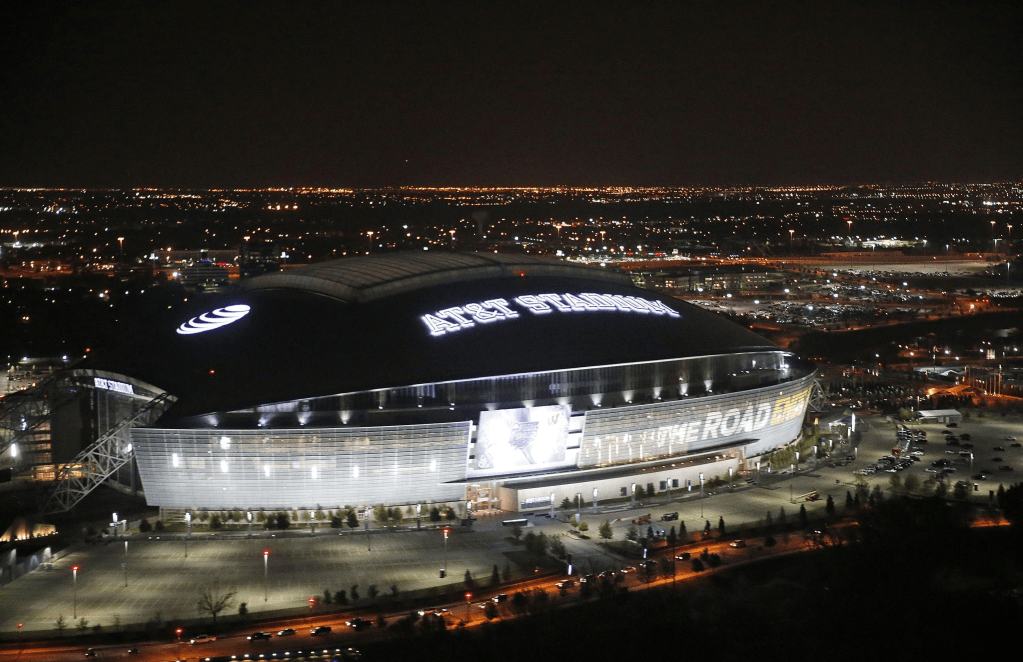
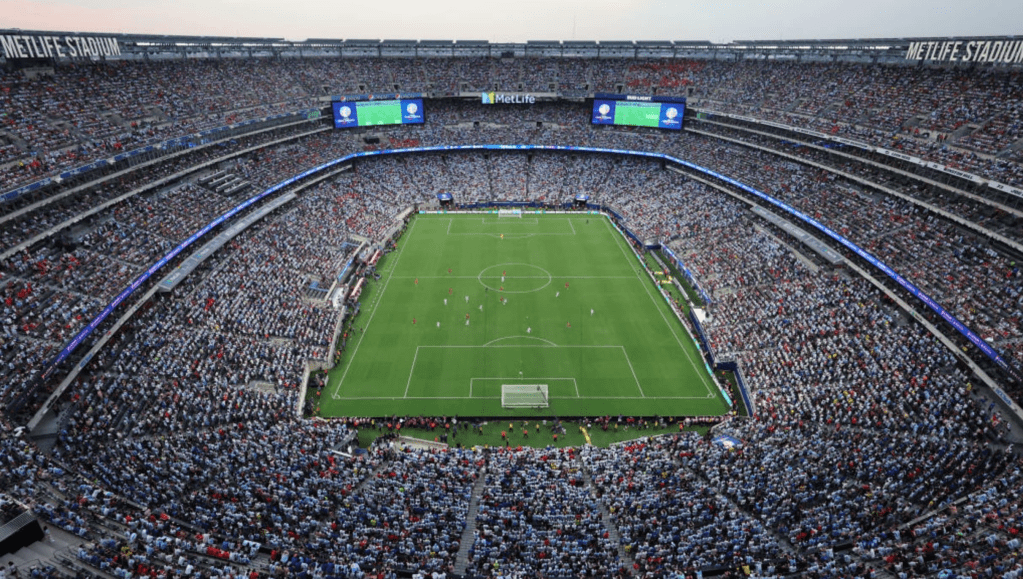
The venues selected for World Cup 2026 are among the most advanced stadiums ever used in a football tournament.
SoFi Stadium in Los Angeles.
MetLife Stadium in New York.
AT&T Stadium in Dallas.
Mercedes-Benz Stadium in Atlanta.
Estadio Azteca in Mexico City.
These venues are not simply sports facilities.
They are entertainment destinations designed to host concerts, festivals, media productions, and immersive experiences.
The World Cup will showcase the future of stadium design on a global stage.
More Than Football
The modern World Cup is much more than a sporting competition.
It is a platform for storytelling.
A celebration of culture.
A showcase for technology.
A global meeting place for millions of fans.
From opening ceremonies and fan zones to digital experiences and city activations, the tournament now functions as one of the world’s largest entertainment ecosystems.
A Blueprint For Future Mega Events
World Cup 2026 may become the most influential sporting event of the decade.
Its success will not be measured solely by attendance or television ratings.
It will be judged by how effectively it connects people, cities, technology, and culture.
Future Olympic Games, World Expos, and international festivals will study its model closely.
IMMERSIVE LAB Perspective
The future of global events is not defined by scale alone.
It is defined by experience.
World Cup 2026 represents a shift from a football tournament to an experience platform.
The event will demonstrate how sports, entertainment, technology, and urban culture can merge into a single unforgettable experience.
For venue designers, event producers, and city planners, World Cup 2026 offers a glimpse into the future of audience engagement on a global scale.
 IMMERSIVE LAB
댓글 남기기