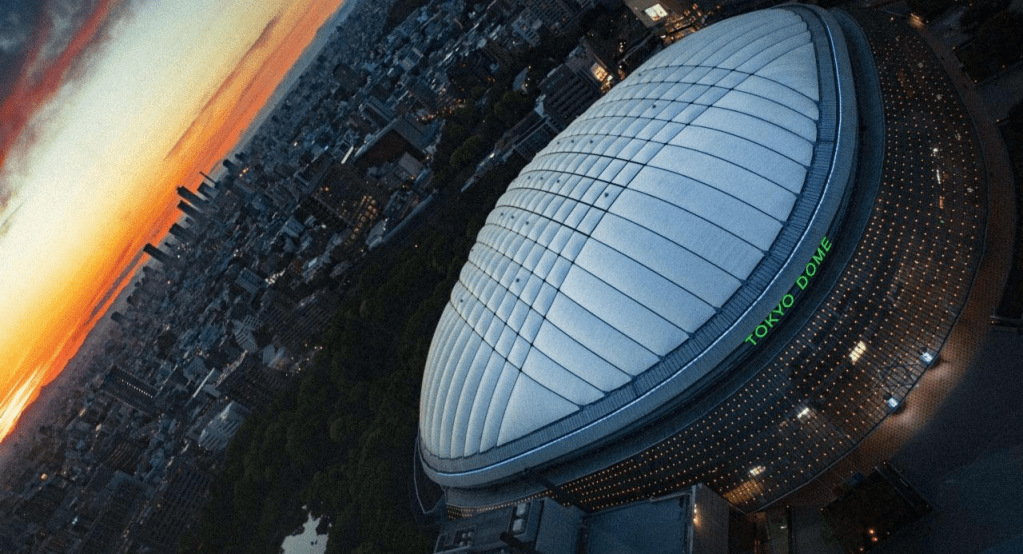
More Than A Stadium, A Symbol Of Success
In Japan, performing at Tokyo Dome is more than just another concert.
It is a milestone.
For decades, artists have viewed Tokyo Dome as one of the most important stages in the country. A sold-out Tokyo Dome show represents not only commercial success but also cultural significance.
The venue has become deeply connected to the history of Japanese entertainment, sports, and fan culture.
Today, Tokyo Dome stands as one of the most recognizable landmarks in the Japanese live entertainment industry.
Japan’s First Major Dome Stadium
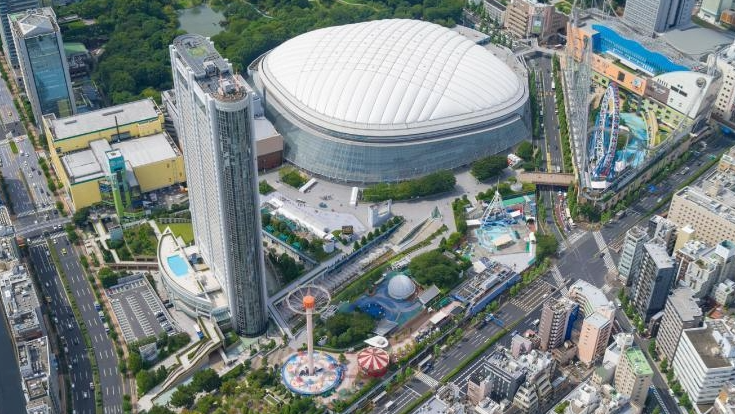
Opened in 1988, Tokyo Dome was Japan’s first large-scale dome stadium.
Originally designed as a baseball venue, it quickly evolved into a multi-purpose destination capable of hosting concerts, exhibitions, sporting events, and large-scale productions.
Its weather-independent structure offered a major advantage.
Unlike outdoor venues, Tokyo Dome could operate year-round without concerns about rain or seasonal conditions.
This reliability helped establish it as one of Japan’s most important event venues.
Why Tokyo Dome Became A Symbol Of Achievement
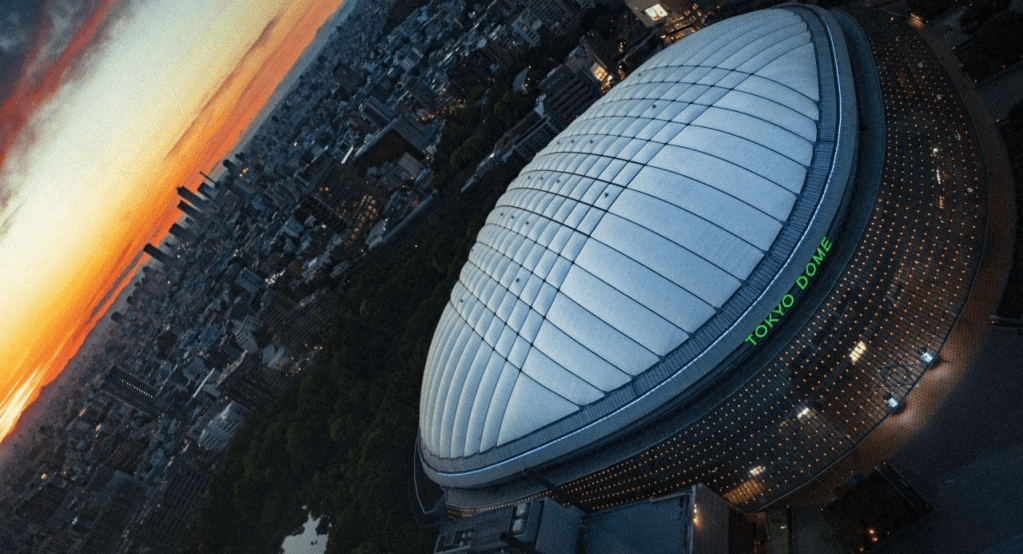
Every entertainment industry develops symbolic milestones.
In Japan, Tokyo Dome became one of them.
Artists often progress through a journey:
Live Houses → Theaters → Arenas → Tokyo Dome.
Performing at Tokyo Dome signals that an artist has reached the highest level of popularity and audience support.
For fans, attending a Tokyo Dome concert is equally meaningful.
It often represents a once-in-a-lifetime experience.
As a result, the venue carries emotional significance far beyond its physical size.
The Importance Of Tokyo Dome For K-Pop
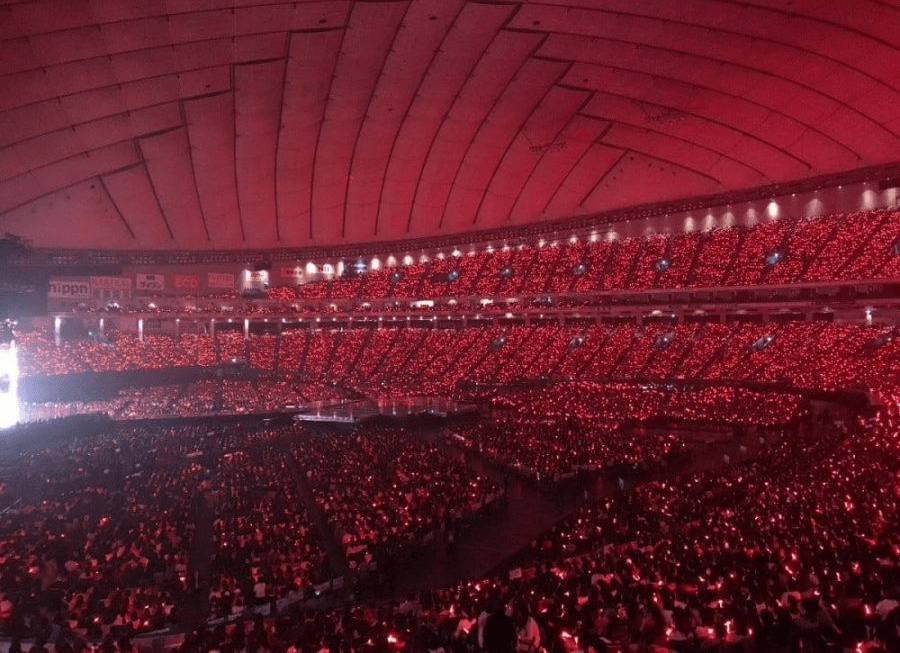
Tokyo Dome has also become an important destination for K-pop artists.
Japan remains one of the world’s largest music markets, making success there a major achievement for international performers.
When a K-pop group headlines Tokyo Dome, it demonstrates strong fan engagement and market presence.
Many of the industry’s biggest acts have used Tokyo Dome concerts as defining moments in their careers.
The venue has become a bridge connecting Japanese audiences with global entertainment culture.
Tokyo Dome City: An Entertainment Ecosystem
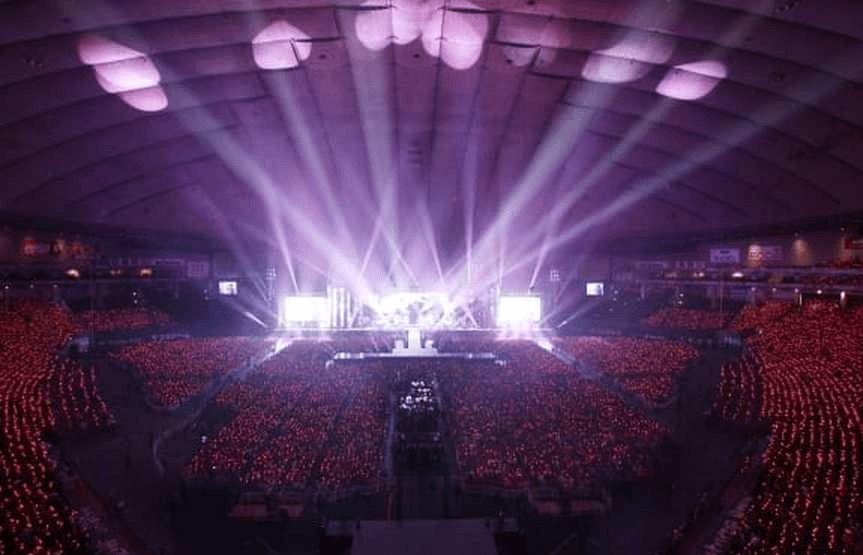
One of Tokyo Dome’s greatest strengths is that it is not simply a stadium.
It is part of Tokyo Dome City, a larger entertainment district that includes attractions, restaurants, shopping, hotels, and leisure facilities.
Visitors often spend an entire day in the area.
They arrive early, explore the district, attend events, dine with friends, and extend the experience beyond the performance itself.
This integrated model reflects the future of venue development.
The venue is only one component.
The complete visitor experience is the real product.
Creating Memories Beyond Events
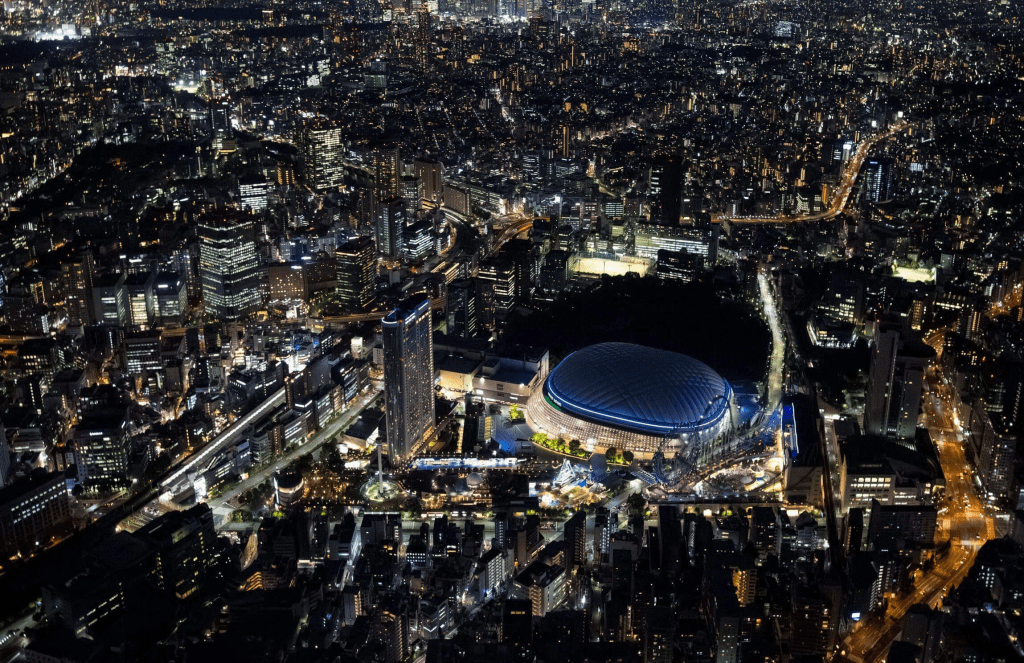
Great venues host performances.
Legendary venues create memories.
People rarely remember only the songs they heard or the score of a game.
They remember the journey, the atmosphere, the anticipation, and the emotions they shared with thousands of others.
Tokyo Dome has provided those memories for generations.
This emotional connection is what transforms a building into a cultural landmark.
IMMERSIVE LAB Perspective
Tokyo Dome remains relevant because it represents more than architecture.
It represents aspiration.
Artists dream of performing there.
Fans dream of attending events there.
Cities dream of creating venues with similar cultural influence.
The lesson is simple.
The most successful venues are not defined by capacity or technology alone.
They are defined by the memories they create and the cultural meaning they accumulate over time.
Tokyo Dome continues to stand as one of the strongest examples of that principle in Asia.
 IMMERSIVE LAB
댓글 남기기