Subtitle
How A Failed Millennium Project Became A Global Entertainment Landmark
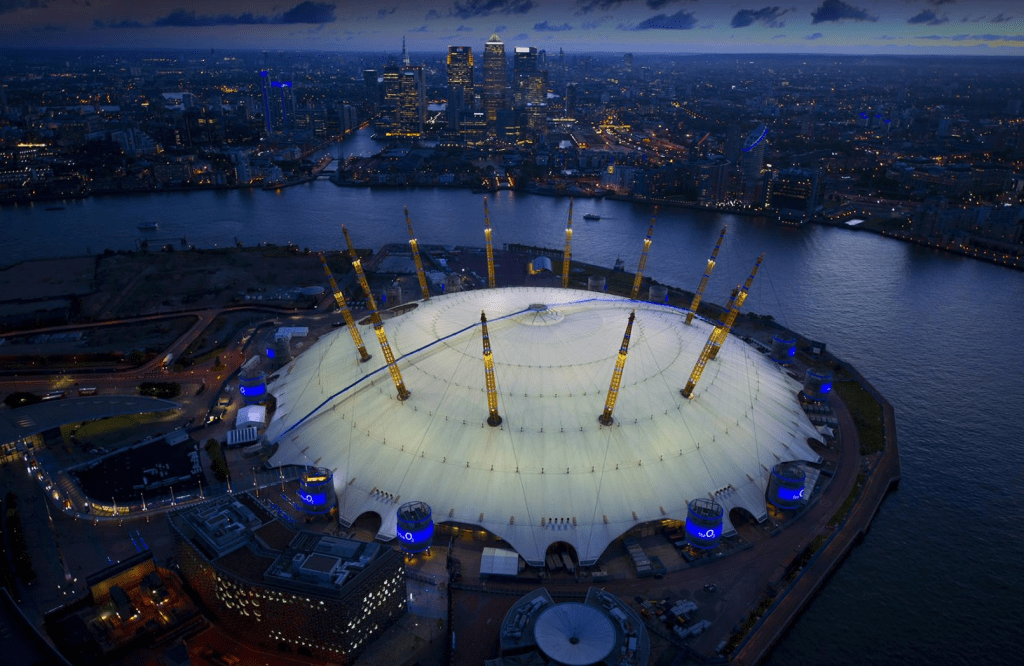
How A Failed Millennium Project Became A Global Entertainment Landmark
Today, The O2 Arena is one of the busiest and most successful entertainment venues in the world.
Millions of visitors pass through its doors every year.
The world’s biggest artists regularly include it on their global tours.
Yet few people remember that the venue began as a project many considered a failure.
Its transformation offers one of the most fascinating stories in modern venue development.
The Millennium Dome
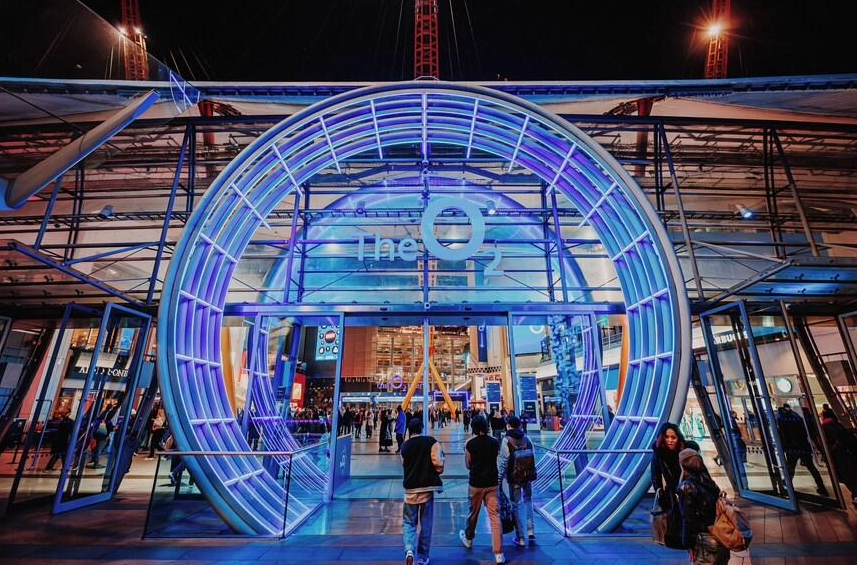
The story begins in 2000.
Originally known as the Millennium Dome, the structure was created to celebrate the arrival of the new millennium.
The project attracted enormous attention and substantial public investment.
However, visitor numbers fell short of expectations.
Critics questioned its purpose.
Many considered it an expensive mistake.
For several years, the future of the structure remained uncertain.
What happened next would completely change its destiny.
Reinventing A Landmark
Instead of demolishing the building, developers saw an opportunity.
The massive dome structure offered something unique.
It had scale.
It had visibility.
It had location.
Most importantly, it had potential.
The venue was reimagined as a world-class entertainment destination.
In 2007, it reopened as The O2 Arena.
This decision transformed a struggling project into one of the most successful venue redevelopment stories in the world.
More Than An Arena
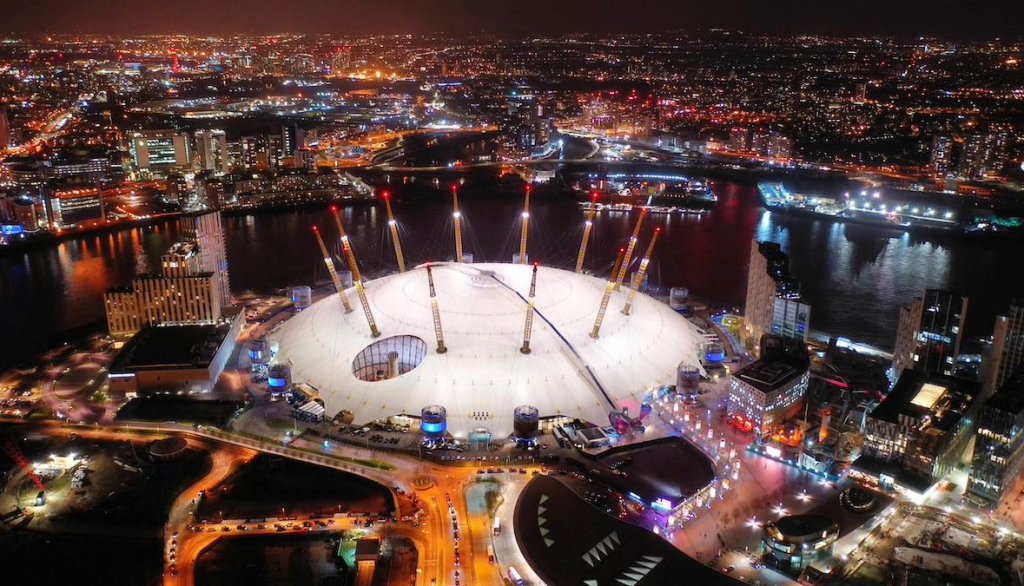
The O2 is not simply a concert venue.
It functions as an entertainment ecosystem.
Visitors can attend concerts, dine at restaurants, enjoy cinemas, explore attractions, and spend an entire evening within the district.
This integrated approach significantly expanded its economic value.
Rather than focusing on a single event, The O2 created a complete visitor experience.
The result is a destination that generates activity before, during, and after performances.
Why Global Tours Always Stop Here
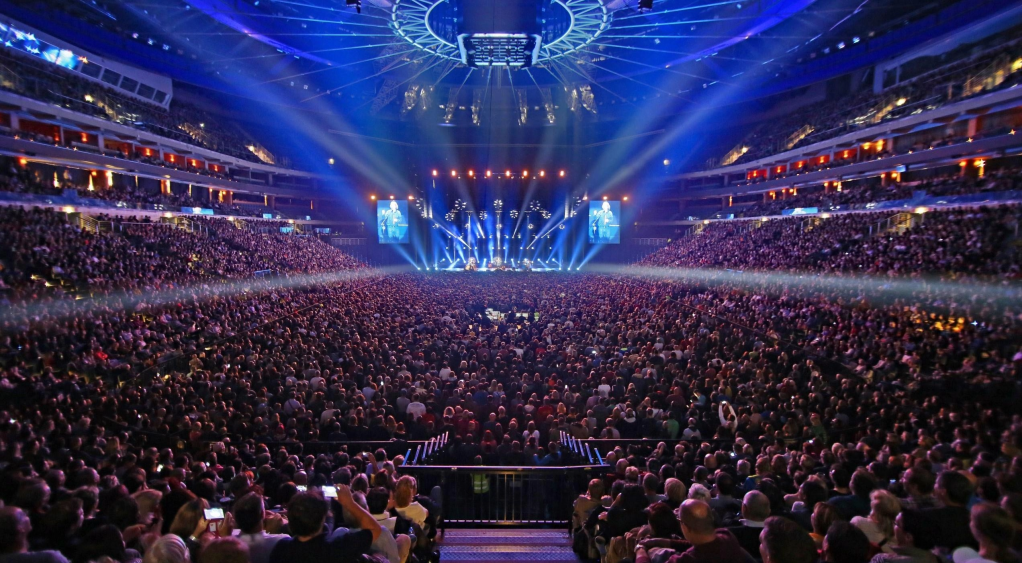
Today, nearly every major international artist considers The O2 a key destination.
The reasons are straightforward.
The venue offers excellent accessibility.
The audience market is enormous.
The production infrastructure is world-class.
And London remains one of the most important cultural capitals in the world.
For performers, The O2 represents both commercial success and cultural significance.
A sold-out show at The O2 remains a major achievement.
Experience Is The Product
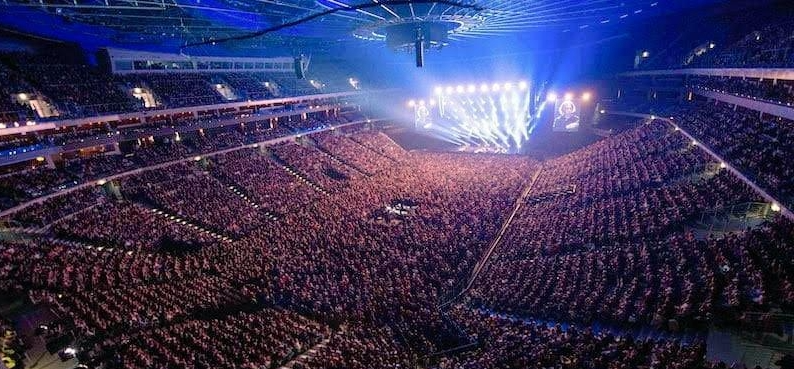
The success of The O2 reflects a broader trend within the entertainment industry.
Audiences no longer seek only performances.
They seek experiences.
Visitors want memorable evenings, social interaction, dining, entertainment, and emotional engagement.
The O2 understands this shift.
The arena is not the product.
The entire experience is the product.
This philosophy has become increasingly influential in modern venue design.
Lessons For Future Venue Development
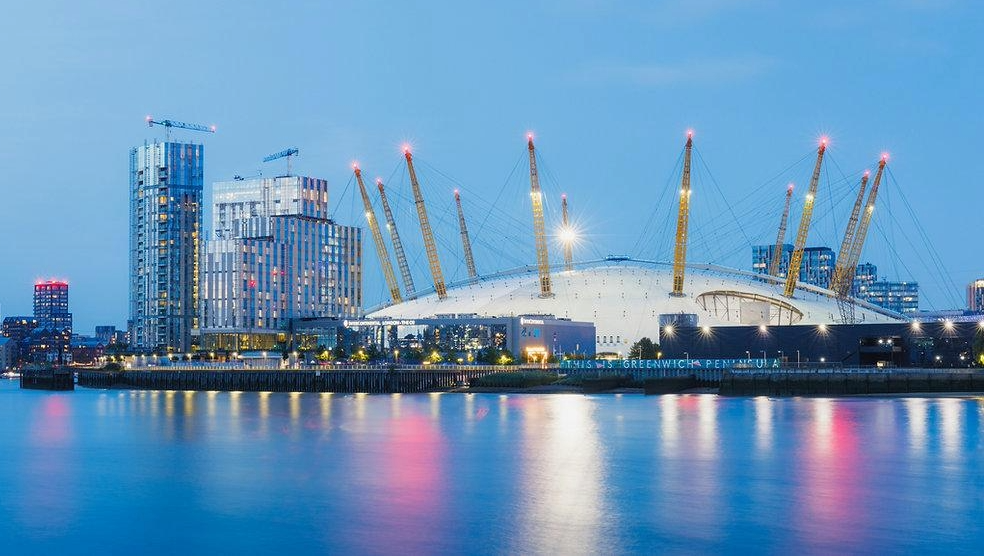
Many cities around the world continue to invest heavily in arenas and entertainment districts.
The O2 demonstrates that success depends on more than architecture.
Great venues require purpose.
Programming.
Accessibility.
Experience design.
And a clear identity.
The building alone is never enough.
What matters is how people interact with the space.
IMMERSIVE LAB Perspective
The O2 Arena teaches a valuable lesson.
Even a project once viewed as a failure can become a global success when it is reimagined through the lens of audience experience.
The future of venue development is not simply about constructing larger buildings.
It is about creating destinations people want to return to.
The O2 succeeded because it became more than a venue.
It became an experience platform.
And that may be the most important lesson for future entertainment projects around the world.
 IMMERSIVE LAB
댓글 남기기