How A 1964 Olympic Venue Became A Cultural Landmark
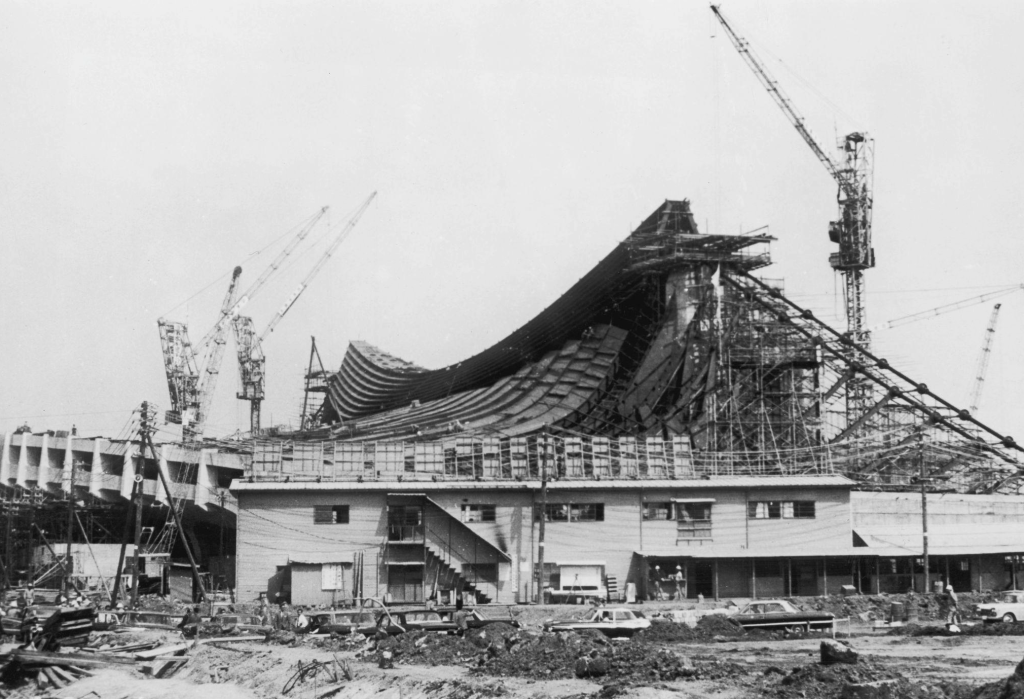
When people think about Japan’s most important performance venues, modern arenas and stadiums often come to mind.
Yet one venue continues to hold a unique place in Japanese culture more than sixty years after its construction.
Yoyogi National Gymnasium.
Originally built for the 1964 Tokyo Olympics, the venue has evolved far beyond its original purpose.
Today it is recognized not only as an architectural masterpiece but also as one of the most influential performance venues in Japan.
Its story offers an important lesson about what makes a venue truly timeless.
A Symbol Of Postwar Japan
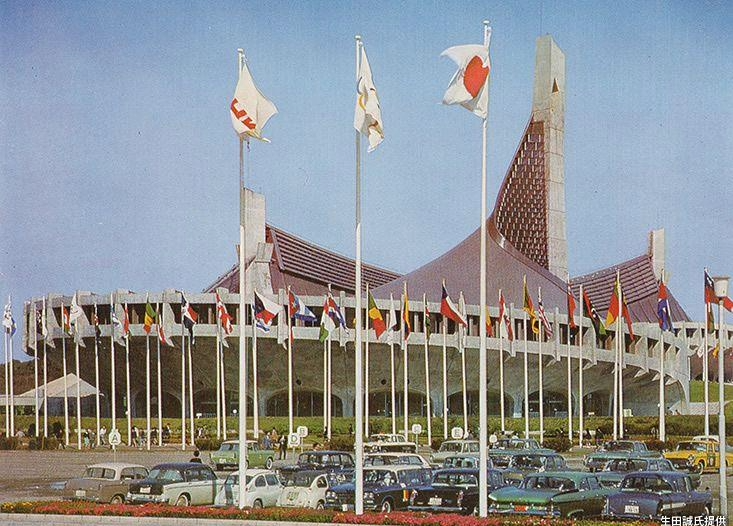
The 1964 Tokyo Olympics represented a turning point in Japan’s history.
It was the country’s opportunity to present itself to the world as a modern and innovative nation.
For this occasion, architect Kenzo Tange designed Yoyogi National Gymnasium.
The structure immediately attracted global attention.
Its sweeping suspended roof appeared to float above the arena, creating one of the most dramatic architectural forms of the twentieth century.
Even today, architecture students around the world study the building as a landmark achievement in structural design.
Unlike many Olympic venues that fade into obscurity after the Games, Yoyogi continued to evolve.
Architecture That Creates Identity
Most venues are remembered because of what happens inside them.
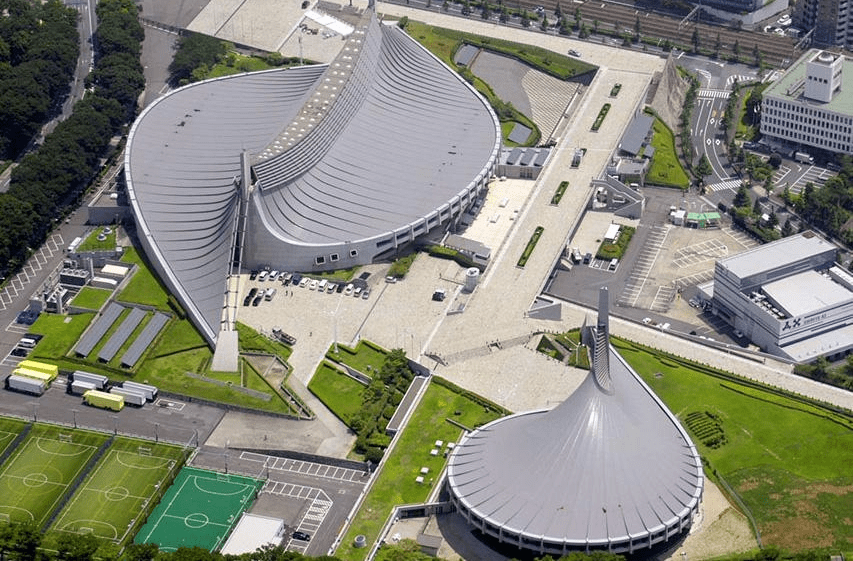
Yoyogi is remembered because of both its events and its architecture.
The distinctive roofline has become one of Tokyo’s most recognizable structures.
Visitors often photograph the venue even when no event is taking place.
This ability to function as both architecture and entertainment infrastructure is rare.
The building itself has become part of the cultural experience.
Great venues do more than host performances.
They create identity.
The Home Of Live Entertainment
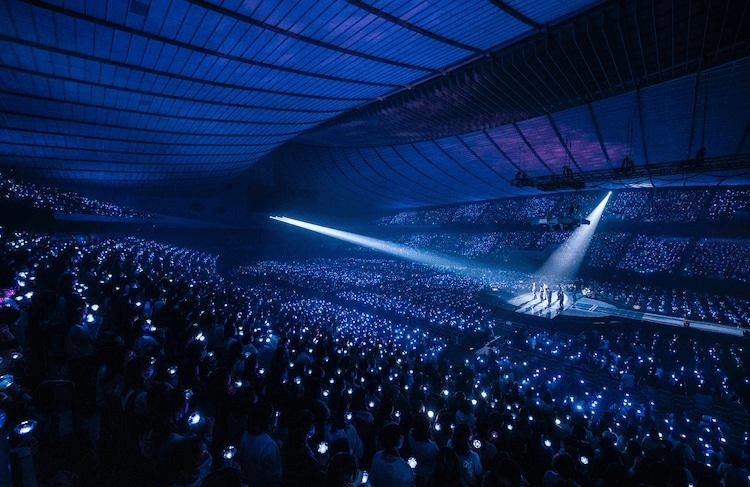
Over the decades, Yoyogi National Gymnasium has hosted countless concerts, cultural events, sports competitions, and major entertainment productions.
Generations of Japanese audiences have attended performances inside the arena.
For many artists, performing at Yoyogi became a symbol of achievement.
The venue developed a reputation not simply because of its size, but because of its atmosphere.
The relationship between performers and audiences feels intimate despite the scale of the building.
This balance remains one of its greatest strengths.
Why Artists Continue To Choose Yoyogi
In an era of increasingly sophisticated entertainment venues, Yoyogi continues to attract major productions.
The reason is not technology.
Newer venues often offer more advanced systems.
The reason is legacy.
Audiences already associate Yoyogi with important cultural moments.
Every performance becomes part of a larger history.
Artists are not simply renting a venue.
They are joining a tradition.
This emotional connection is difficult to replicate in newly constructed facilities.
Lessons For Future Venue Designers

Around the world, cities are investing billions in arenas, theaters, and entertainment districts.
Many focus on capacity, technology, and commercial potential.
Yoyogi demonstrates another approach.
The most successful venues are not always the newest.
They are the venues that create memories across generations.
A venue becomes iconic when people associate it with personal experiences, cultural milestones, and collective identity.
Technology supports that process.
Culture sustains it.
Beyond Events
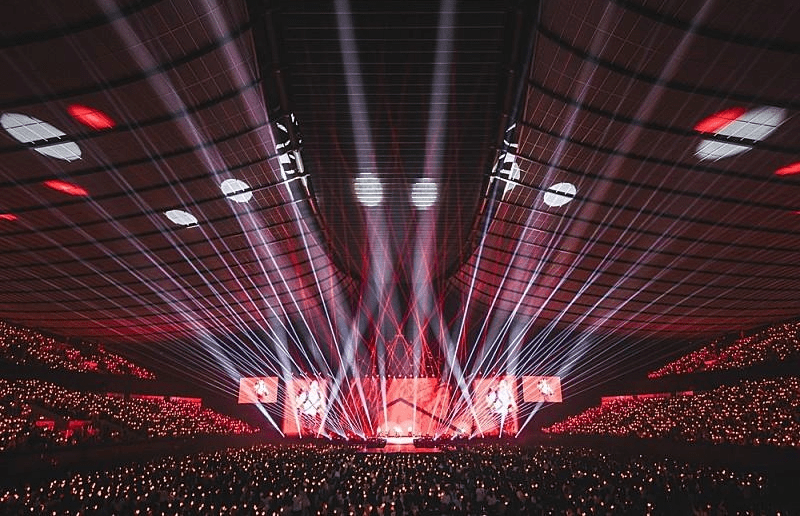
Today, visitors continue to explore Yoyogi even when they are not attending a concert or sporting event.
The venue contributes to Tokyo’s tourism appeal and architectural heritage.
Its value extends beyond ticket sales.
It functions as a cultural landmark, a tourist attraction, and a symbol of Japanese creativity.
This broader role is becoming increasingly important for modern venues.
Future entertainment destinations will need to serve multiple purposes.
Yoyogi achieved this decades ago.
IMMERSIVE LAB Perspective
The success of Yoyogi National Gymnasium is not defined by capacity or technology.
Its success comes from meaning.
For more than sixty years, the venue has connected architecture, culture, entertainment, and memory.
That is why it remains relevant today.
Future venues may become larger.
They may become more technologically advanced.
But the venues that endure will be the ones that create cultural significance.
Yoyogi National Gymnasium remains one of the world’s best examples of that principle.
 IMMERSIVE LAB
댓글 남기기