Why The Future Of Cities Is No Longer About Infrastructure, But Emotion
For most of modern history, cities competed through infrastructure.
The tallest buildings.
The largest ports.
The busiest airports.
Economic success was measured by physical assets and industrial growth.
But a new form of competition is emerging.
Today, the world’s most ambitious cities are no longer competing only through infrastructure.
They are competing through experience.
Few cities demonstrate this transformation more clearly than Dubai.
In less than fifty years, Dubai evolved from a relatively small trading hub into one of the world’s most recognized destinations.
Many observers attribute this success to oil wealth.
However, the reality is far more interesting.
Dubai’s greatest achievement was not discovering resources.
It was understanding the value of experience.
The End Of The Traditional City Model
For decades, urban development followed a familiar pattern.
Build roads.
Build offices.
Build housing.
Build transportation networks.
These investments remain essential, but they are no longer enough to create global attention.
People do not travel across the world simply to see infrastructure.
They travel to feel something.
This shift has fundamentally changed the role of cities.
Modern cities are becoming emotional destinations rather than functional locations.
Visitors increasingly seek memorable moments, unique environments, and experiences that cannot be replicated elsewhere.
Dubai recognized this transition earlier than most cities.
Building Icons Instead Of Buildings
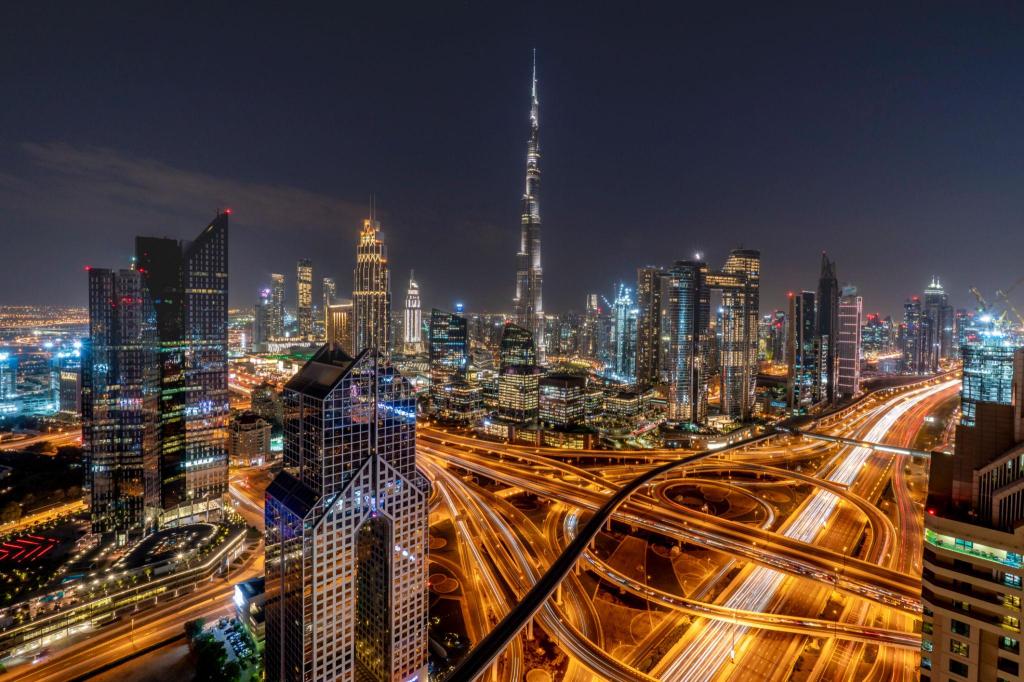
One of Dubai’s most important strategies was understanding that landmarks are not simply structures.
They are stories.
Burj Khalifa is not famous because it is tall.
It is famous because it represents ambition.
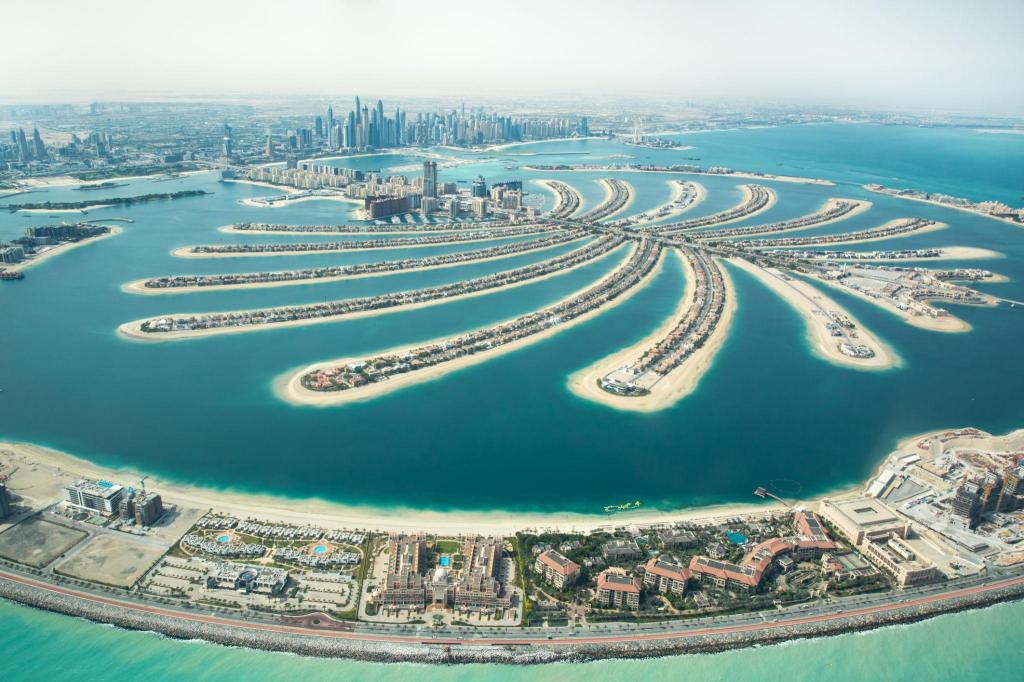
Palm Jumeirah is not impressive because it is artificial.
It is impressive because it transforms imagination into reality.
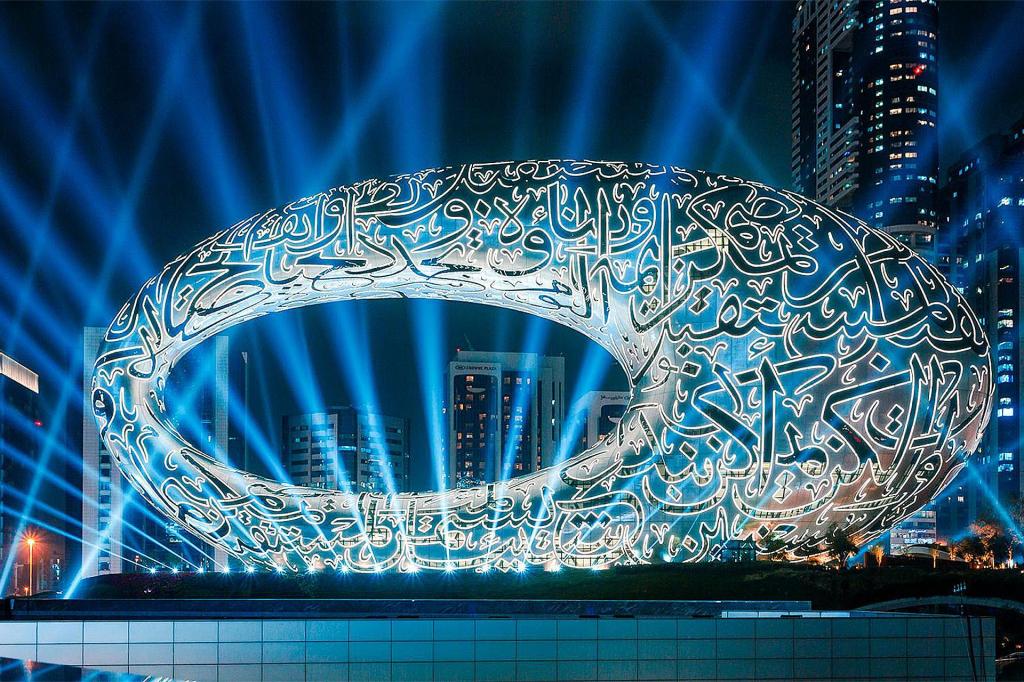
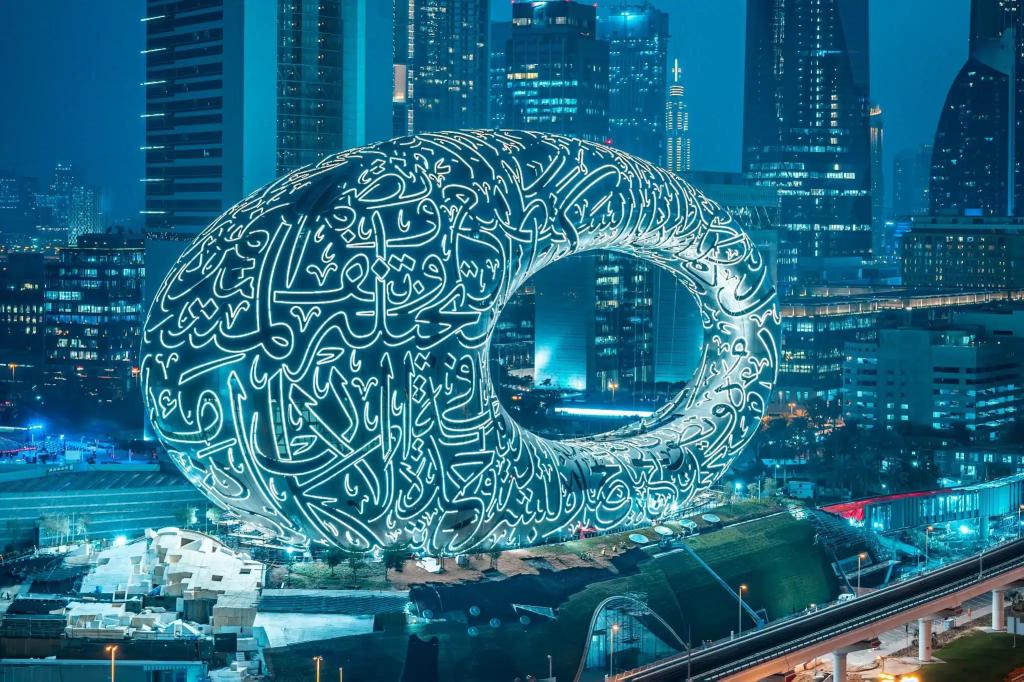
The Museum of the Future is not merely a museum.
It is a symbol of possibility.
Each project contributes to a larger narrative about what Dubai represents.
The city is carefully designed to create emotional impact.
People remember how these places make them feel.
That emotional connection becomes the foundation of global recognition.
Experience As Economic Infrastructure
Traditionally, infrastructure referred to roads, airports, utilities, and transportation systems.
In the future, experience may become a form of infrastructure itself.
Entertainment districts.
Immersive attractions.
Media art destinations.
Night tourism experiences.
Cultural festivals.
These assets generate economic value just as effectively as traditional infrastructure.
Perhaps even more effectively.
Experience creates tourism.
Tourism creates spending.
Spending creates investment.
Investment creates growth.
Dubai has successfully transformed experience into a strategic economic asset.
Why The Future Belongs To Experience Cities
As technology becomes increasingly accessible, physical differences between cities become less important.
Most major cities can build skyscrapers.
Most cities can construct transportation systems.
Most cities can attract business investment.
What becomes difficult to replicate is emotional identity.
Why do people choose Paris?
Why do people choose Tokyo?
Why do people choose Dubai?
The answer is rarely practical.
The answer is emotional.
People are attracted to places that offer memorable experiences.
Future urban competition will increasingly focus on this reality.
Cities will compete to create stronger memories, deeper engagement, and more immersive environments.
From Tourism To World-Building
The next stage of urban development extends beyond tourism.
It moves into world-building.
The most successful destinations of the future will not simply offer attractions.
They will offer complete worlds.
Visitors will enter environments designed around stories, emotions, culture, and participation.
Entertainment, architecture, technology, and public space will merge into a single experience ecosystem.
The city itself becomes a platform.
The visitor becomes a participant.
The experience becomes the product.
IMMERSIVE LAB Perspective
At IMMERSIVE LAB, we believe the future of urban development is closely connected to the future of entertainment.
Cities are no longer competing through physical scale alone.
They are competing through imagination.
The most successful cities of the next generation will not necessarily be the largest or the wealthiest.
They will be the most memorable.
Dubai understood that people do not travel for buildings.
They travel for experiences.
And that simple idea may become one of the most important lessons for future cities around the world.
The future city is not a collection of structures.
It is a collection of emotions.
And those emotions are becoming the most valuable industry of all.
 IMMERSIVE LAB
댓글 남기기