For decades, cities competed through infrastructure, architecture, and economic growth. The tallest skyscrapers, the largest airports, and the biggest shopping districts were often considered symbols of urban success.
Today, a different form of competition is emerging.
Cities are no longer competing only through buildings. They are competing through experiences.
Around the world, urban destinations are investing heavily in media art, immersive entertainment, large-scale public events, projection mapping, and interactive cultural spaces. What was once considered an optional cultural program is now becoming a strategic asset for tourism, branding, and economic development.
The modern city is transforming into an entertainment platform.
From Infrastructure to Experience
Historically, urban planning focused on transportation, housing, and public services. While these elements remain essential, they are no longer enough to attract global attention.
Visitors do not travel across continents simply to see roads, bridges, or office towers.
They travel to experience something unique.
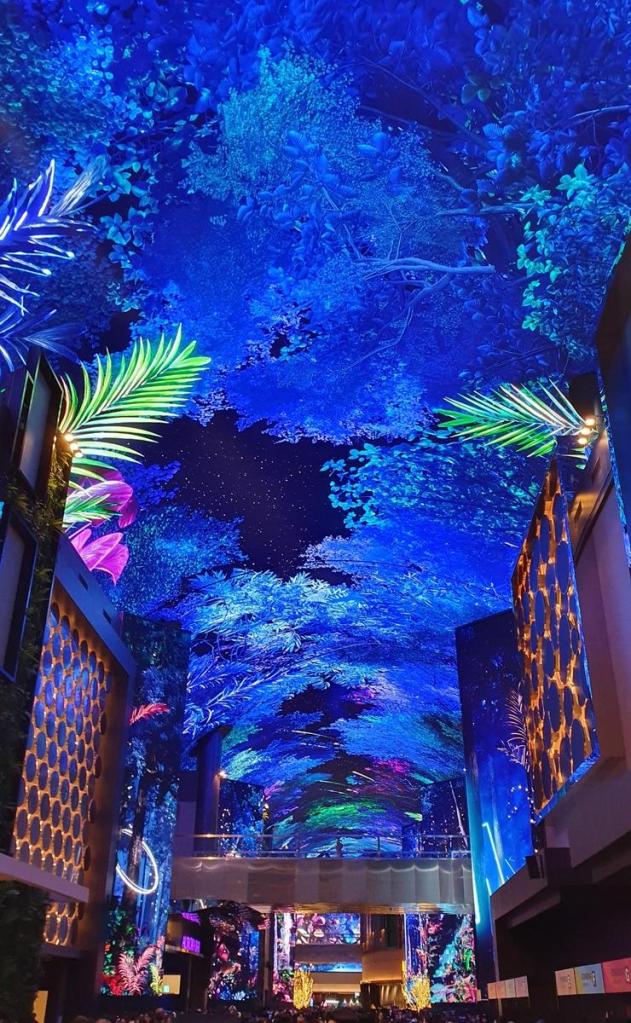
Cities such as Singapore, Las Vegas, Dubai, Tokyo, and Seoul understand this shift. They have invested in creating memorable moments that visitors can photograph, share, and remember long after their trip ends.
In many cases, the experience itself becomes more valuable than the physical destination.
A city that can create emotional memories gains a significant competitive advantage.
The Rise of Urban Entertainment
One of the clearest examples of this transformation can be seen in Las Vegas.
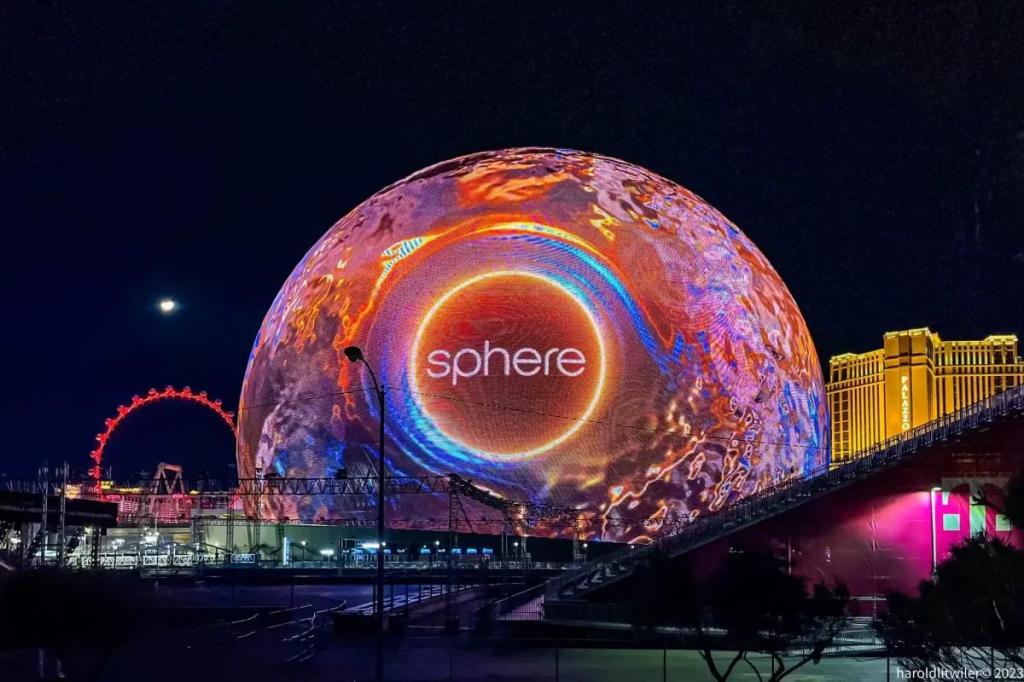
For years, Las Vegas was known primarily for casinos and large-scale entertainment venues. Today, projects such as Sphere have redefined what an entertainment destination can be.
Sphere is not merely a concert venue.
It is a visual landmark, a technological statement, a media platform, and a tourism attraction operating simultaneously.
Even visitors who never attend a performance are drawn to the structure itself.
The building becomes content.
This represents a major shift in how cities think about cultural infrastructure.
The goal is no longer to build a venue.
The goal is to build an attraction capable of generating continuous engagement.
Media Art as Urban Identity
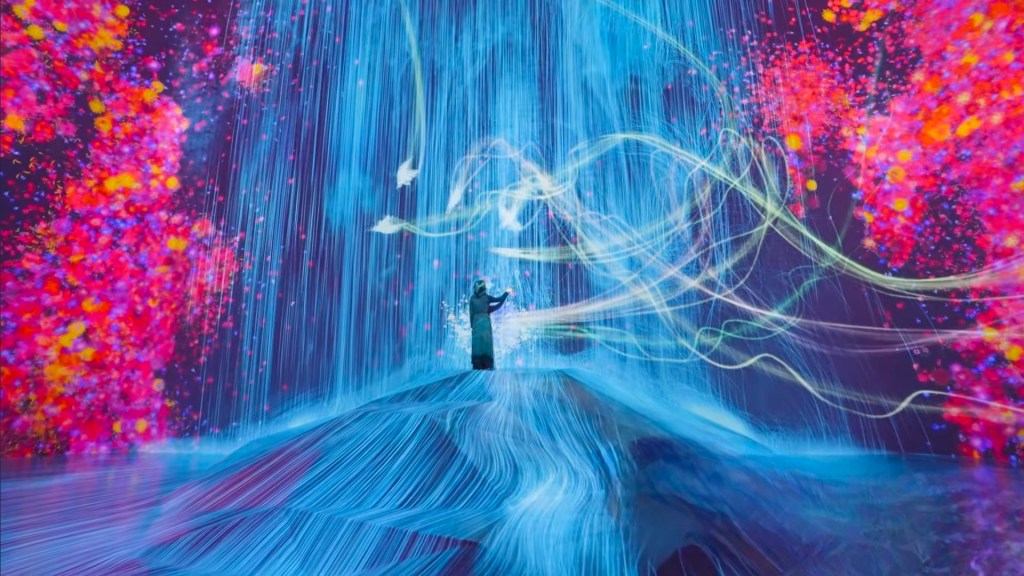
Media art is becoming one of the most powerful tools in urban storytelling.
Large-scale media facades, projection mapping shows, interactive installations, and digital public art can transform ordinary architecture into cultural landmarks.
At night, buildings become screens.
Public squares become stages.
Waterfronts become immersive environments.
These experiences help cities create a distinct visual identity that separates them from competitors.
As social media continues to influence travel behavior, visually memorable experiences become increasingly valuable.
A single image can attract millions of views worldwide.
For city governments, this represents a new form of marketing.
Instead of purchasing attention, they create experiences that naturally generate it.
Why Audiences Want More Than Entertainment
The demand for immersive experiences is driven by changing audience expectations.
People no longer want to simply watch.
They want to participate.
They want to feel connected to a place.
They want stories that surround them rather than stories presented from a distance.
This shift explains the growing popularity of immersive exhibitions, interactive museums, media art festivals, and destination-based entertainment.
The audience is seeking emotional engagement rather than passive observation.
Cities capable of delivering these experiences become destinations rather than locations.
The Future of Urban Experience Design
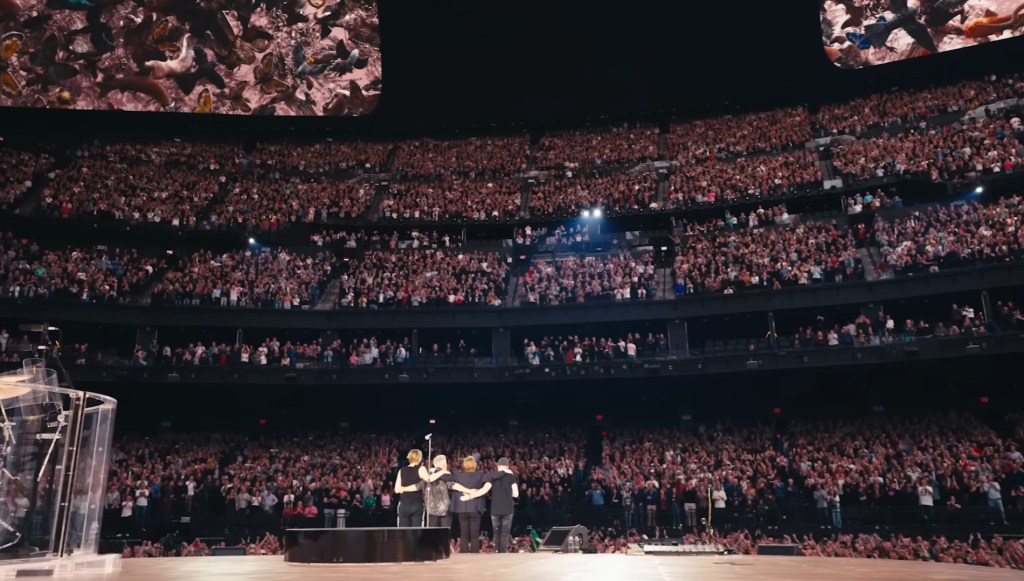
Looking ahead, the relationship between cities and entertainment will continue to deepen.
Artificial intelligence, augmented reality, interactive media, immersive architecture, and digital storytelling will become essential components of future urban development.
The most successful cities will not necessarily be the largest.
They will be the most memorable.
Future urban leaders will compete to create places that inspire curiosity, creativity, and emotional connection.
The city itself will become a stage.
The visitor will become part of the story.
And experience will become the most valuable asset a city can offer.
IMMERSIVE LAB Perspective
At IMMERSIVE LAB, we believe the future of entertainment extends far beyond traditional venues.
Entertainment is no longer confined to theaters, arenas, or concert halls.
It is expanding into public spaces, architecture, urban environments, and cultural destinations.
The next generation of cities will not simply host events.
They will become experiences.
The future belongs to cities that understand how to design emotion, create engagement, and transform space into unforgettable memories.
 IMMERSIVE LAB
댓글 남기기