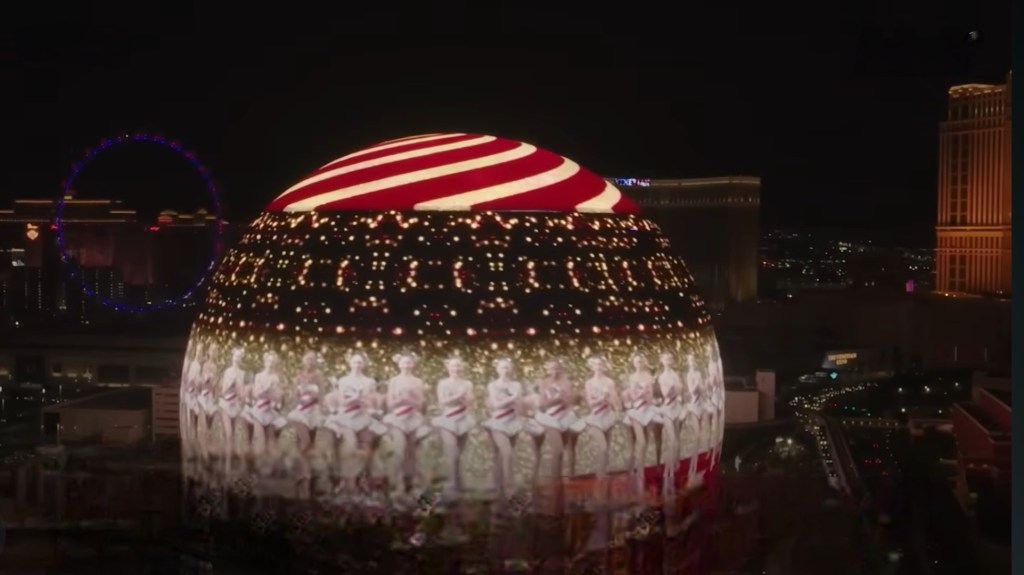
For decades, entertainment was built around a simple idea.
There was a stage.
And there was an audience.
The performers stood in front.
The audience sat in rows.
Everything — lighting, sound, visuals, storytelling — moved toward a single direction.
The stage was the center of the experience.
But something is changing.
Across the world, a new generation of audiences no longer wants to simply watch entertainment.
People want to enter it.
This shift is transforming not only concerts and live shows, but the entire structure of entertainment itself.
The future is no longer about the stage.
It is about the experience.
The Audience Has Changed
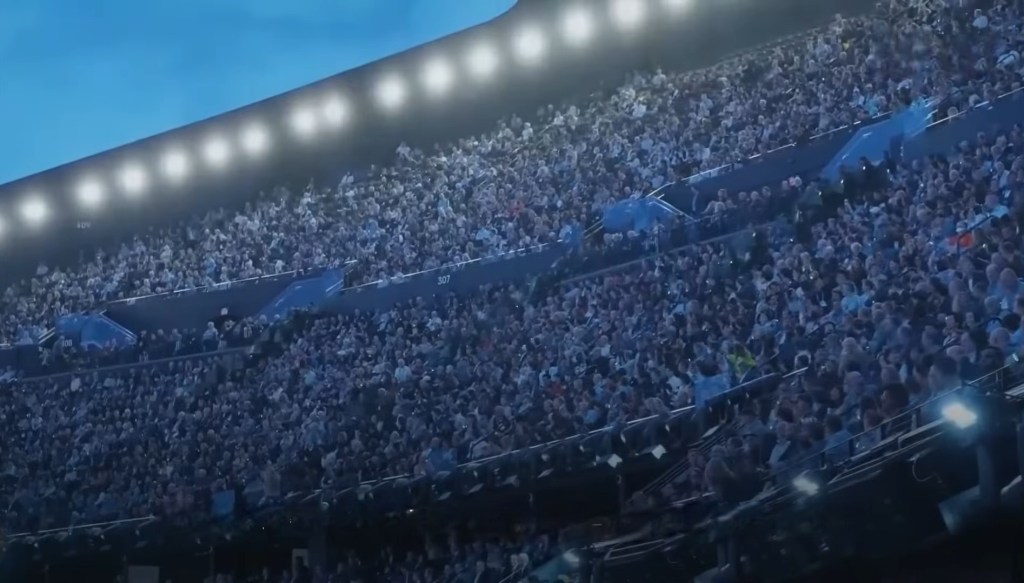
Modern audiences live inside a constant stream of stimulation.
Short-form videos.
Massive digital visuals.
Interactive media.
Virtual spaces.
Immersive environments.
People are no longer satisfied with passive viewing.
They want emotion.
Atmosphere.
Movement.
Scale.
Presence.
They want to feel transported somewhere beyond reality.
This is why immersive entertainment is rapidly becoming the new language of global culture.
The Rise of Immersive Experience
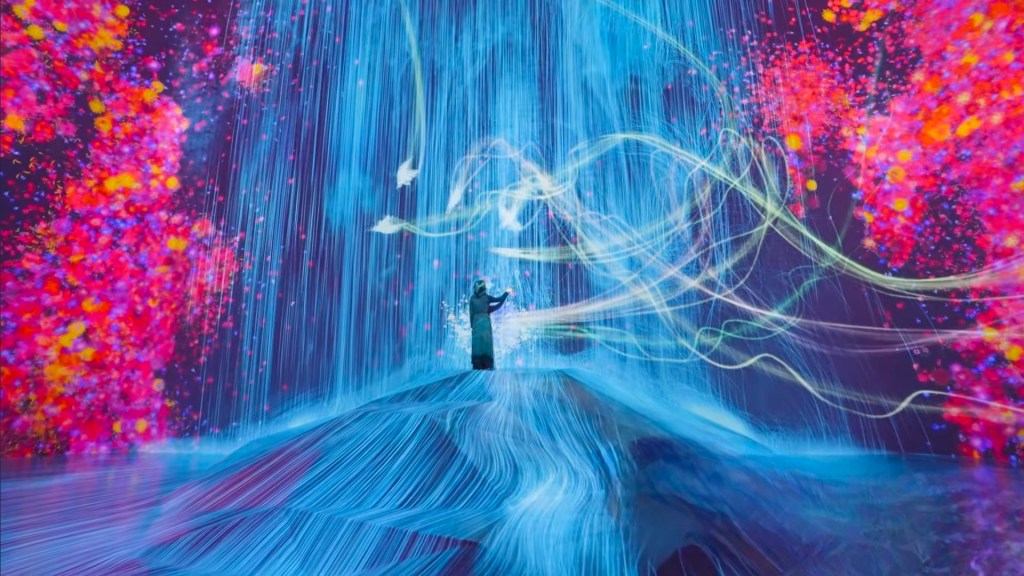
The success of large-scale immersive spaces has revealed something important:
People remember experiences more deeply than performances.
The most powerful entertainment today is no longer defined only by:
- music,
- storytelling,
- or celebrity.
It is defined by how completely it surrounds the audience.
Architecture, visuals, sound, lighting, spatial design, interactivity, and emotional immersion are beginning to merge into one unified experience.
The audience is no longer observing from a distance.
The audience becomes part of the environment itself.
Entertainment Is Becoming Spatial
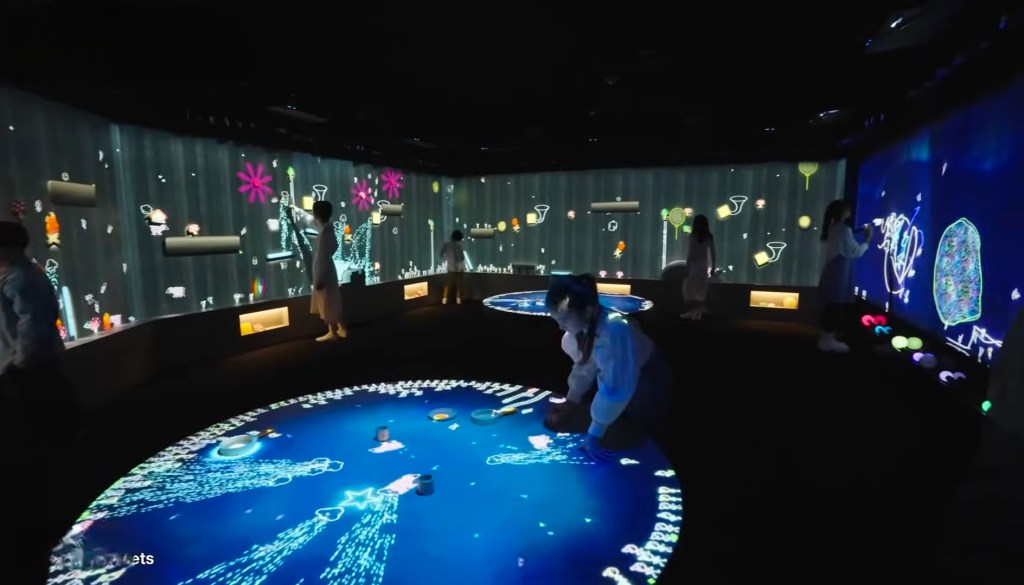
For years, venues were designed as containers for performances.
But future venues are becoming something entirely different.
They are evolving into:
- media environments,
- immersive worlds,
- emotional architectures,
- and living digital spaces.
The venue itself is becoming part of the storytelling.
Walls move with light.
Ceilings become canvases.
Sound travels like physical motion.
Visuals react to the audience.
Space itself becomes performance.
This is not simply technological evolution.
It is a transformation in human expectation.
From Watching to Entering
The most important shift happening right now is psychological.
Audiences no longer want separation from entertainment.
They want proximity.
Participation.
Absorption.
People do not want to stand outside the experience anymore.
They want to step inside it.
This is why immersive domes, media art exhibitions, interactive performances, large-scale visual environments, and next-generation arenas are growing so rapidly around the world.
Entertainment is no longer confined to a rectangular stage.
Entertainment is becoming an atmosphere.
The Future of Live Culture
The boundaries between:
- concerts,
- gaming,
- esports,
- architecture,
- media art,
- cinema,
- and digital storytelling
are beginning to disappear.
The future of entertainment will not belong to one format.
It will belong to those who can build worlds.
The next generation of creators will not simply produce performances.
They will design experiences people can emotionally inhabit.
Beyond Performance
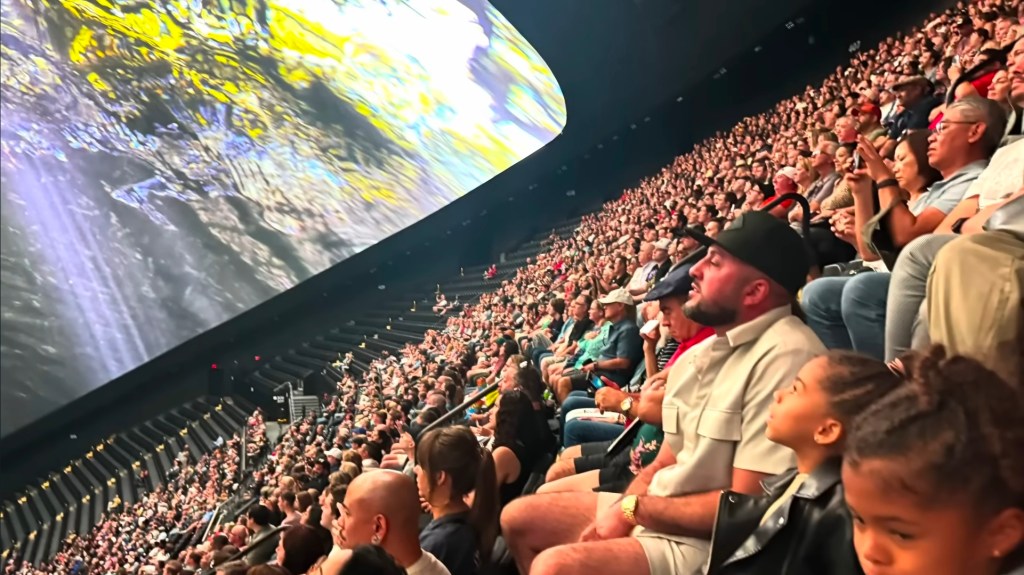
The future of entertainment is not about making audiences look forward.
It is about making them feel surrounded.
The stage will still exist.
But it will no longer be the center.
The experience will be.
IMMERSIVE LAB
IMMERSIVE LAB explores the future of immersive culture, spatial storytelling, next-generation entertainment, and experiential design.
From live performance and dome environments to media architecture and audience immersion, we document the evolution of how people experience emotion, space, and entertainment in the future.
 IMMERSIVE LAB
댓글 남기기