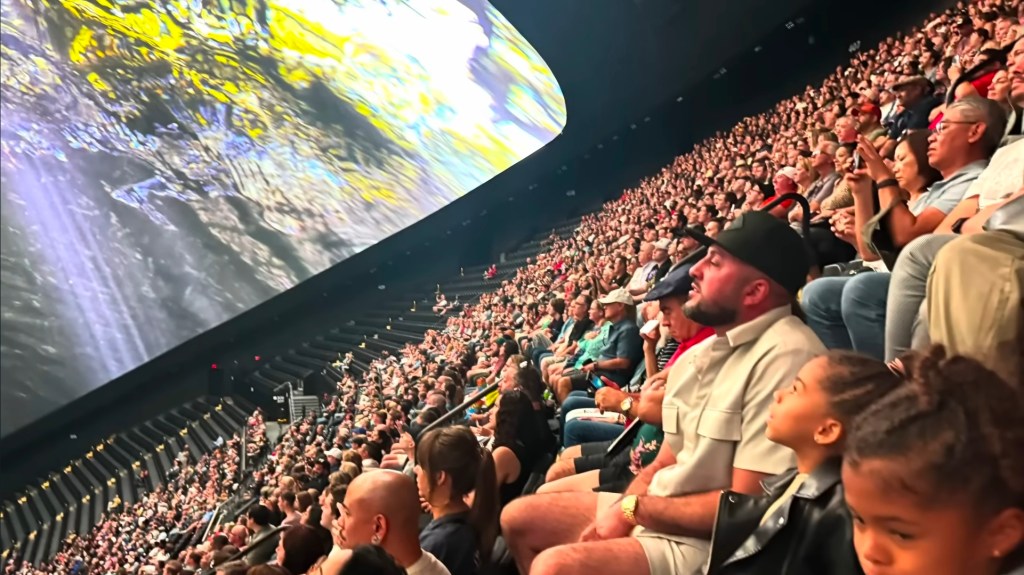
Why Future Entertainment Will Be Built Around Immersive Space
Entertainment is entering a new era.
For decades, live experiences were designed around performance.
A stage stood at the center, while audiences gathered around it as spectators.
But today, something fundamental is changing.
The future of entertainment is no longer being shaped only by music, storytelling, or technology.
It is being shaped by space itself
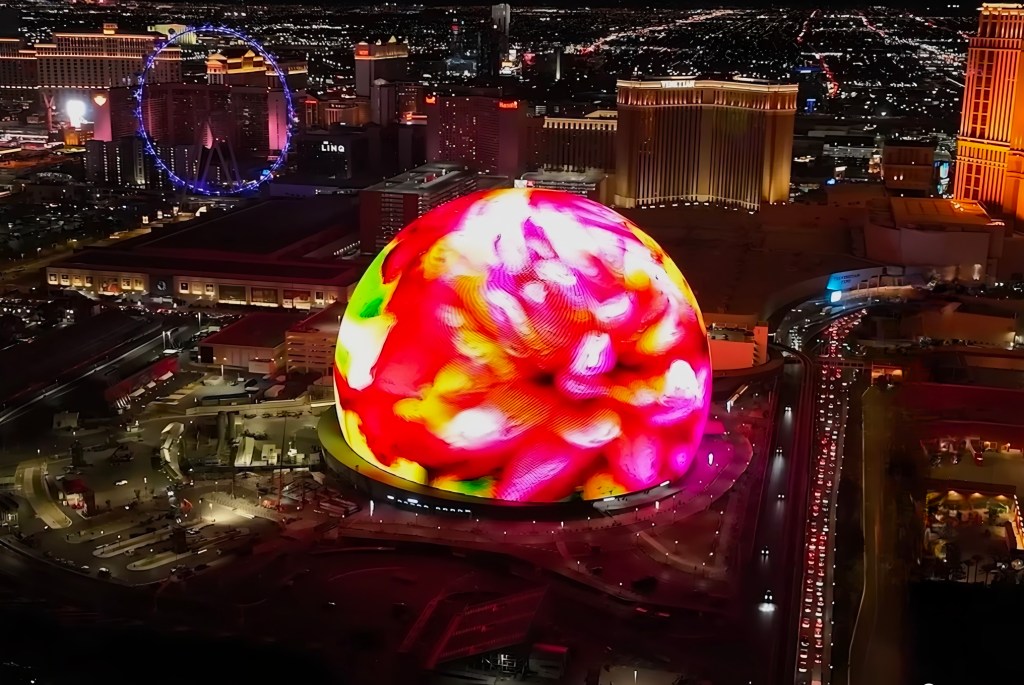
Beyond the Traditional Stage
The traditional stage was built for visibility.
Its purpose was simple:
- direct attention,
- frame performance,
- and separate performer from audience.
But modern audiences no longer seek separation.
They seek immersion.
People want to feel surrounded by emotion, visuals, sound, architecture, and atmosphere all at once.
The audience no longer wants to simply observe the experience.
They want to exist inside it.
Immersive Space Is Becoming Emotional Technology
Immersive entertainment is often misunderstood as visual technology.
It is not.
The true power of immersive environments lies in emotional control.
Light changes perception.
Sound creates movement.
Scale creates awe.
Architecture creates psychological tension.
Atmosphere creates memory.
This is why large-scale immersive spaces feel fundamentally different from traditional venues.
They are not simply places where performances happen.
They are emotional environments.
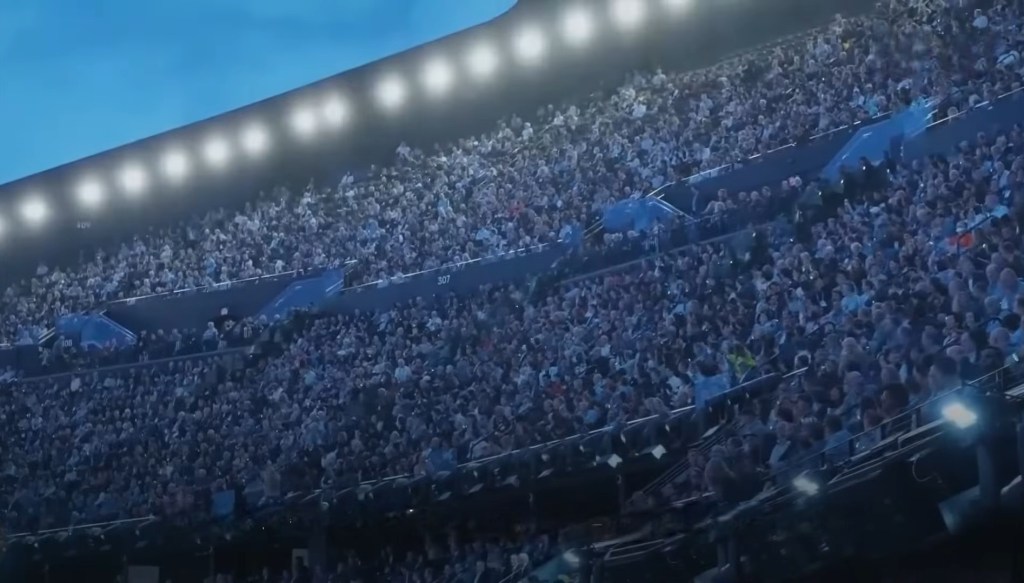
The Venue Itself Is Becoming the Experience
One of the biggest transformations happening right now is the collapse of the boundary between:
- architecture,
- media,
- storytelling,
- and performance.
Future venues are no longer passive containers.
They are active participants in the experience.
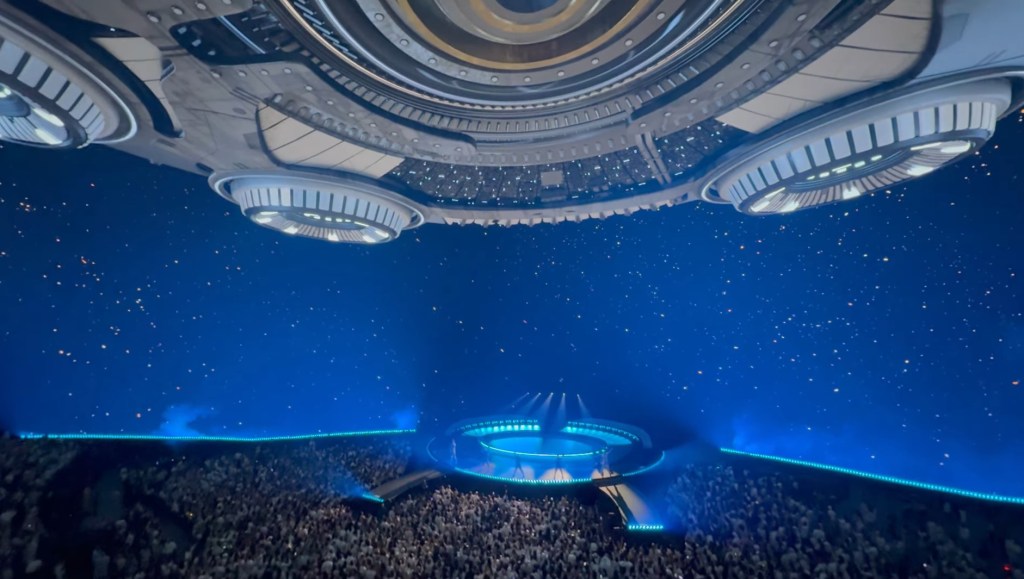
Walls become screens.
Ceilings become moving canvases.
Lighting behaves like digital architecture.
Sound moves through space like physical matter.
The venue itself becomes part of the narrative.
This changes everything.
Because audiences no longer remember only what they watched.
They remember what they felt inside the space.
Why Immersive Culture Is Growing So Rapidly
The world has become increasingly digital, fragmented, and overstimulated.
As daily life becomes more disconnected, people search for experiences that feel emotionally total.
This is why audiences are gravitating toward:
- immersive exhibitions,
- large-scale visual environments,
- dome experiences,
- interactive performances,
- media architecture,
- and next-generation live spaces.
People are searching for emotional presence.
Not content alone.
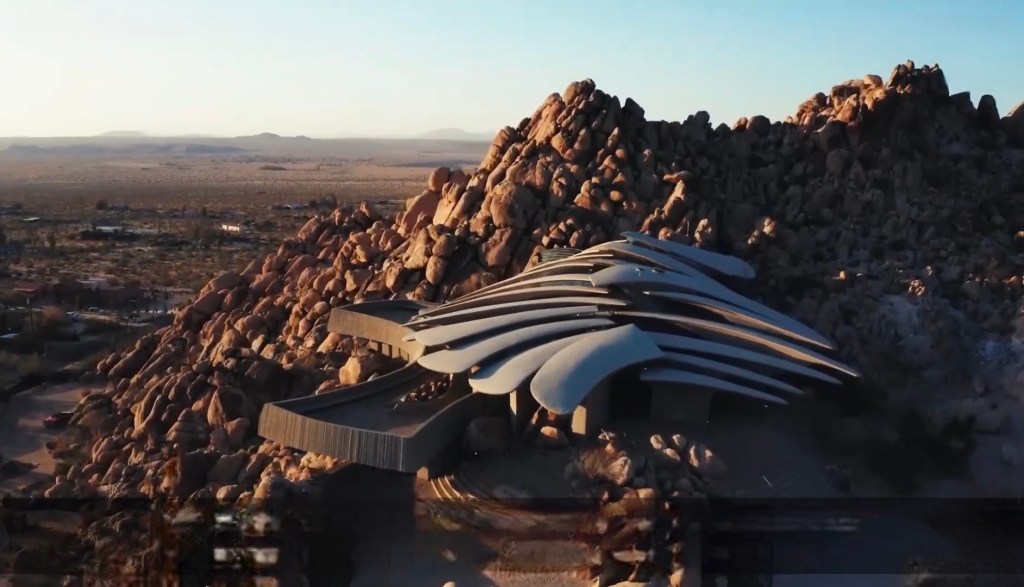
The Future of Entertainment Is Spatial
The future of entertainment will not be defined by genre.
It will be defined by experience design.
Concerts, esports, cinema, gaming, media art, architecture, and interactive storytelling are beginning to merge into entirely new formats.
The creators of the future will not simply direct performances.
They will build worlds.
And those worlds will be designed not only to be seen — but to be physically and emotionally inhabited.
The Rise of Experiential Culture
We are entering an era where audiences measure value differently.
People no longer seek only information or spectacle.
They seek:
- emotional immersion,
- atmosphere,
- memory,
- scale,
- connection,
- and transformation.
The most powerful entertainment experiences of the future will not feel like events.
They will feel like entering another reality.
IMMERSIVE LAB
IMMERSIVE LAB explores the evolution of immersive culture, spatial storytelling, media architecture, future venues, and next-generation audience experience.
We document the future of entertainment through space, emotion, technology, and experiential design.
 IMMERSIVE LAB
댓글 남기기