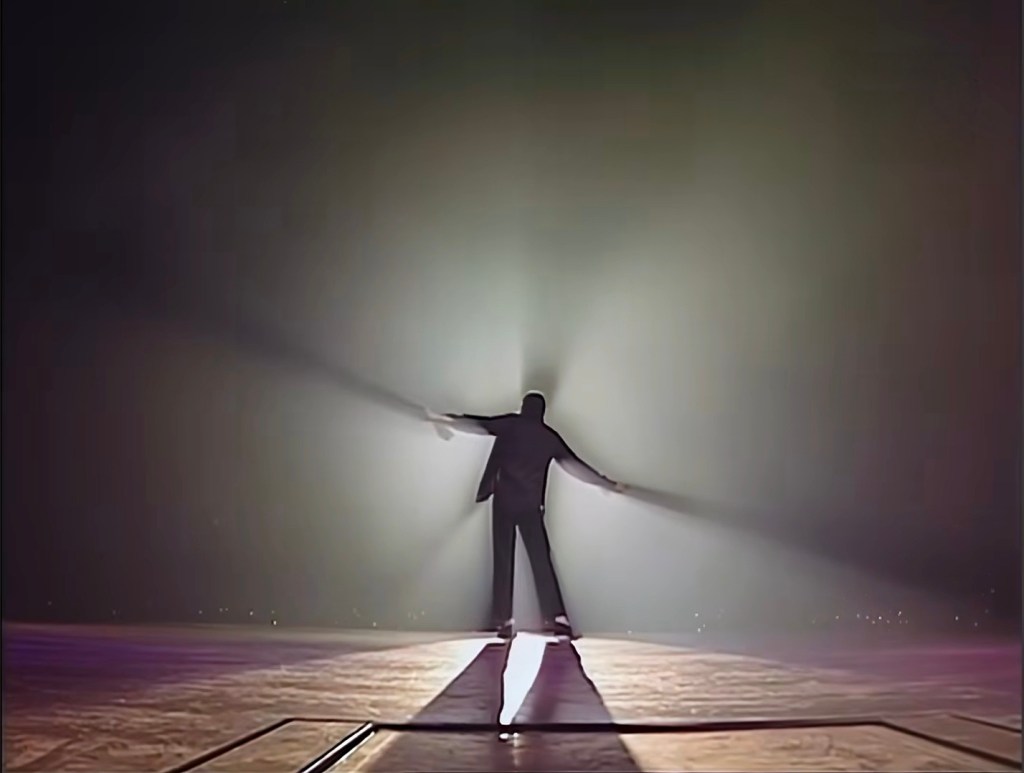
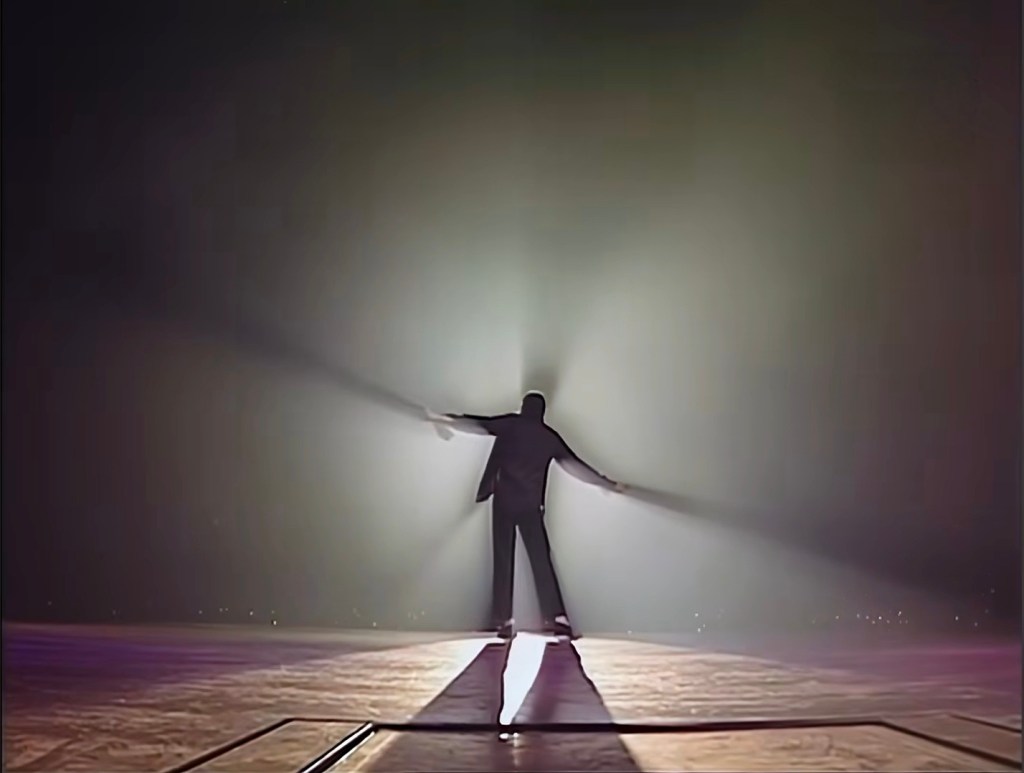
Entertainment is no longer confined to a stage.
The future audience does not simply look forward anymore.
They look around.
They move inside the experience itself.
This is why spatial entertainment is becoming one of the most important directions in modern live experience design.
For decades, entertainment was designed in a flat format.
A stage in front.
An audience facing forward.
A clear separation between performer and viewer.
But immersive technology is changing that structure completely.
Today, space itself is becoming part of the storytelling.
Walls can react emotionally.
Floors can become visual surfaces.
Sound can travel around the audience instead of toward them.
Lighting can guide emotional movement through an environment.
In spatial entertainment, architecture becomes narrative.
The audience no longer watches the experience from outside.
They physically enter it.
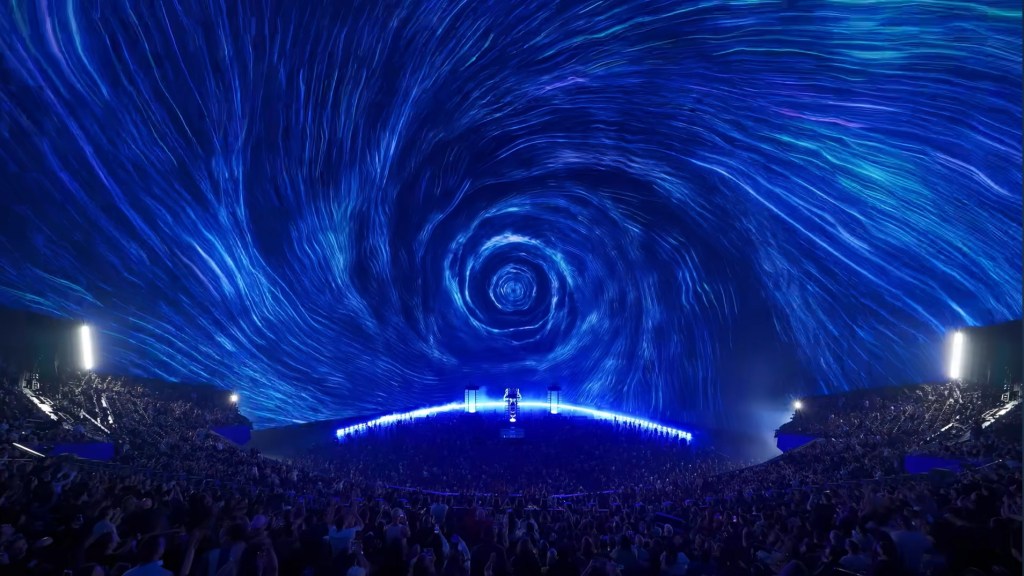
This is why dome theaters, immersive tunnels, interactive exhibitions, projection environments, and cinematic arena productions feel so powerful to modern audiences.
They activate human senses differently.
People remember spaces emotionally.
Not just visually.
The future of entertainment may no longer belong only to singers, actors, or screens.
It may belong to creators who understand how to design emotion inside physical space.
The next generation of live entertainment will not simply be larger.
It will be deeper.
More immersive.
More emotional.
More spatial.
And perhaps that is why audiences around the world are now searching for experiences they cannot fully explain with words.
Because the most powerful entertainment experiences are no longer watched.
They are entered.
—
IMMERSIVE LAB
Exploring the future of immersive entertainment and spatial experience.
 IMMERSIVE LAB
댓글 남기기