Michael Jackson did not simply perform songs.
He designed scenes.

Long before streaming platforms and immersive entertainment became global trends, Michael Jackson already understood how visual storytelling could transform live performance into emotional cinema.
His concerts felt larger than reality.
The lighting moved with rhythm.
The camera angles were intentional.
The stage transitions carried tension like movie editing.
Even silence became part of the performance.
What made Michael Jackson different was his understanding of emotional timing.
He knew when to create explosion.
He knew when to create stillness.
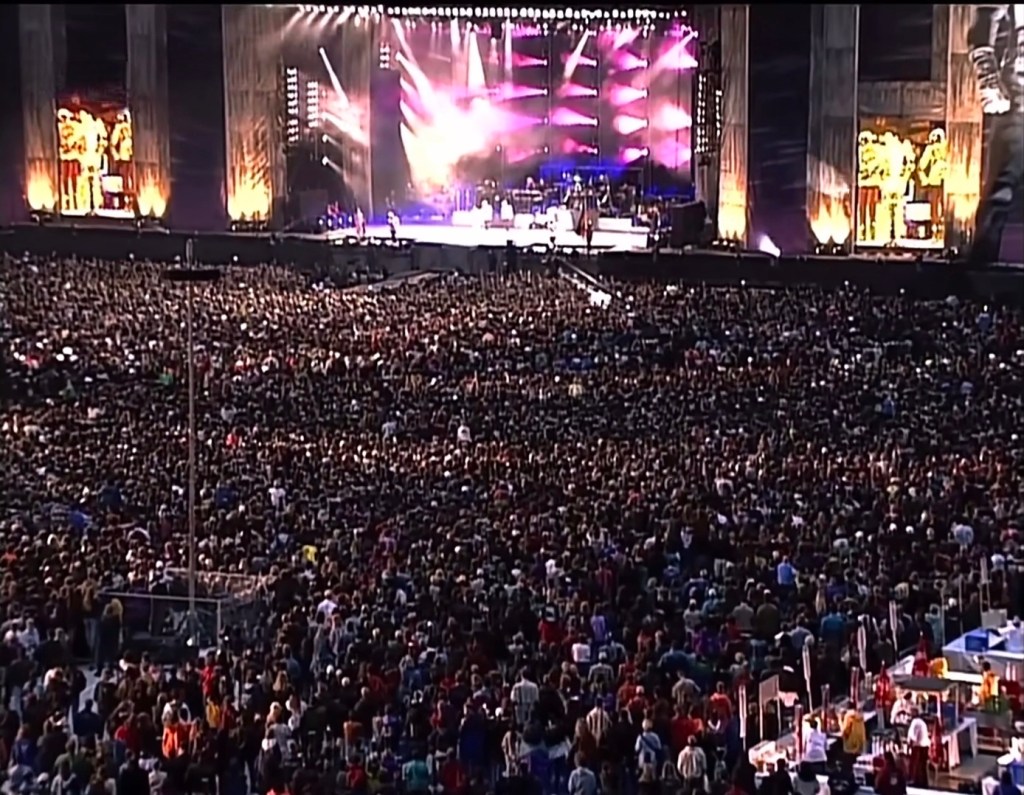
Modern concerts often rely on massive LED walls, real-time graphics, and overwhelming visual effects.
But Michael Jackson created immersion through emotional control.
That is why his performances still feel modern today.
He was not just dancing on stage.
He was directing emotion in real time.
The audience did not feel like spectators.
They felt inside the experience.
This cinematic approach changed the DNA of live entertainment forever.
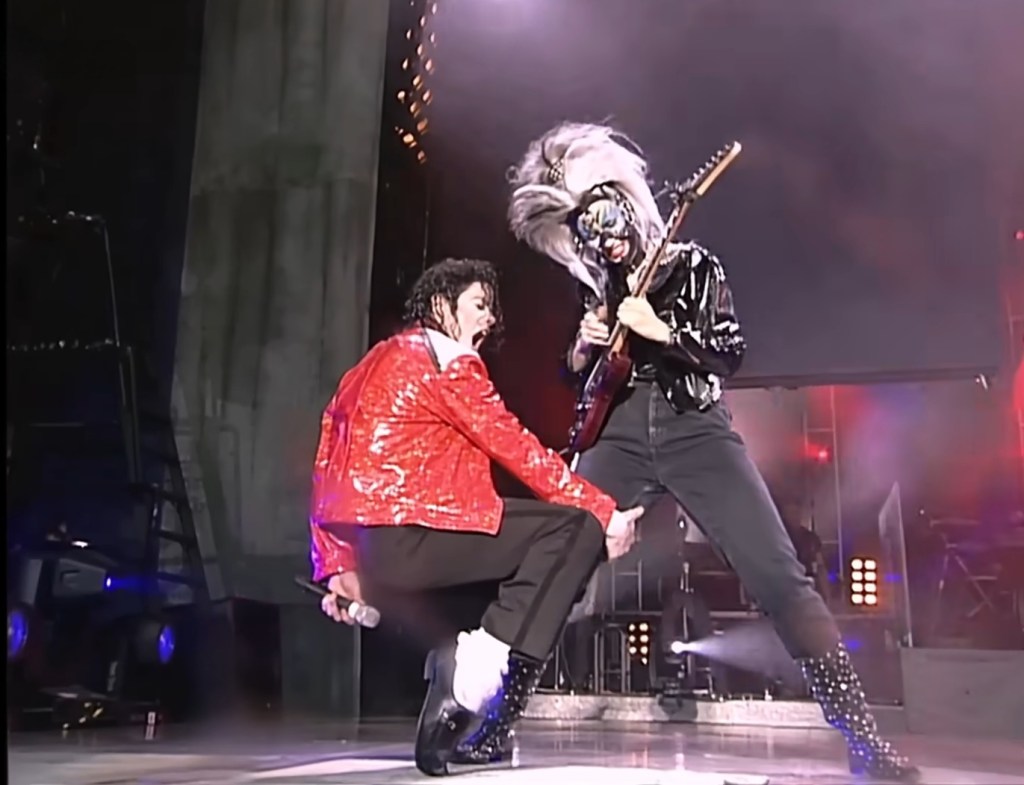
Today’s arena productions, immersive concerts, and multimedia performances all follow principles that Michael Jackson explored decades ago.
He understood that audiences remember emotion before technology.
And perhaps that is why his performances still feel futuristic.
Because true cinematic entertainment is not about screens.
It is about emotional architecture.
 IMMERSIVE LAB
댓글 남기기