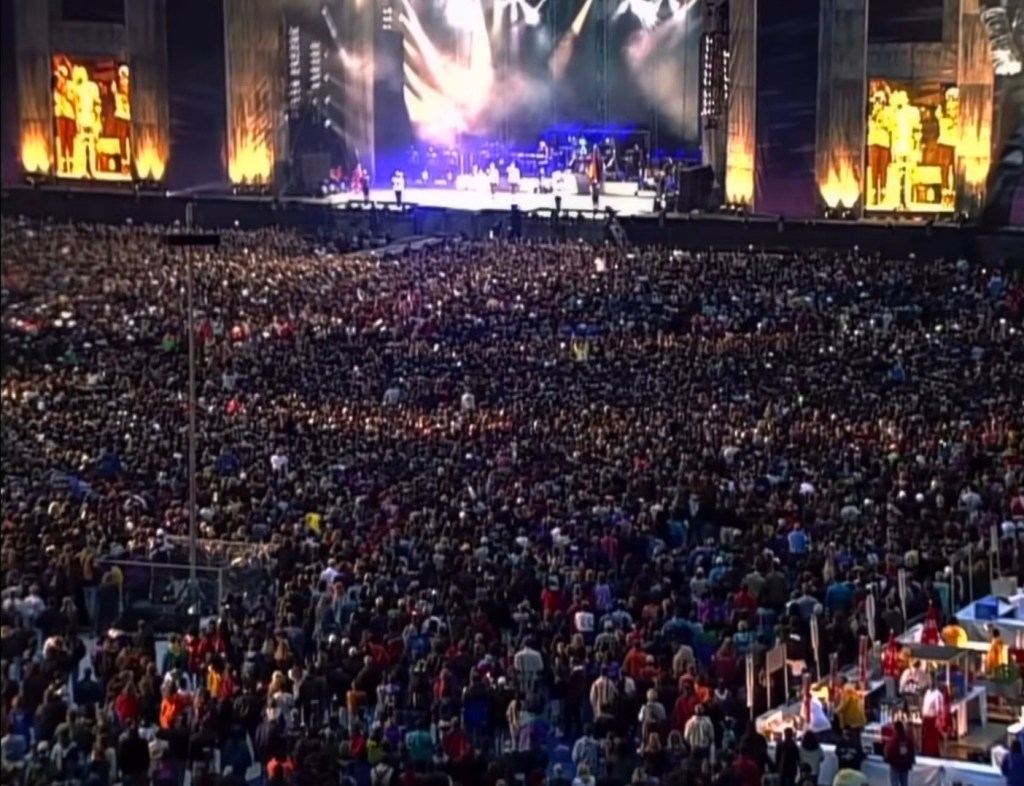
Long before immersive entertainment became an industry, Michael Jackson already understood how audiences wanted to feel inside a live experience.
His performances were never just concerts.
They were emotional environments carefully built through silence, timing, lighting, scale, and tension.
Every movement had purpose.
Every pause created anticipation.
Even stillness became part of the performance language.
This is why his concerts still feel strangely modern today.
Most contemporary productions depend heavily on technology:
massive LED walls,
real-time graphics,
AR visuals,
and overwhelming visual systems.
But technology alone does not create immersion.
Michael Jackson understood something deeper.
People remember emotion before spectacle.
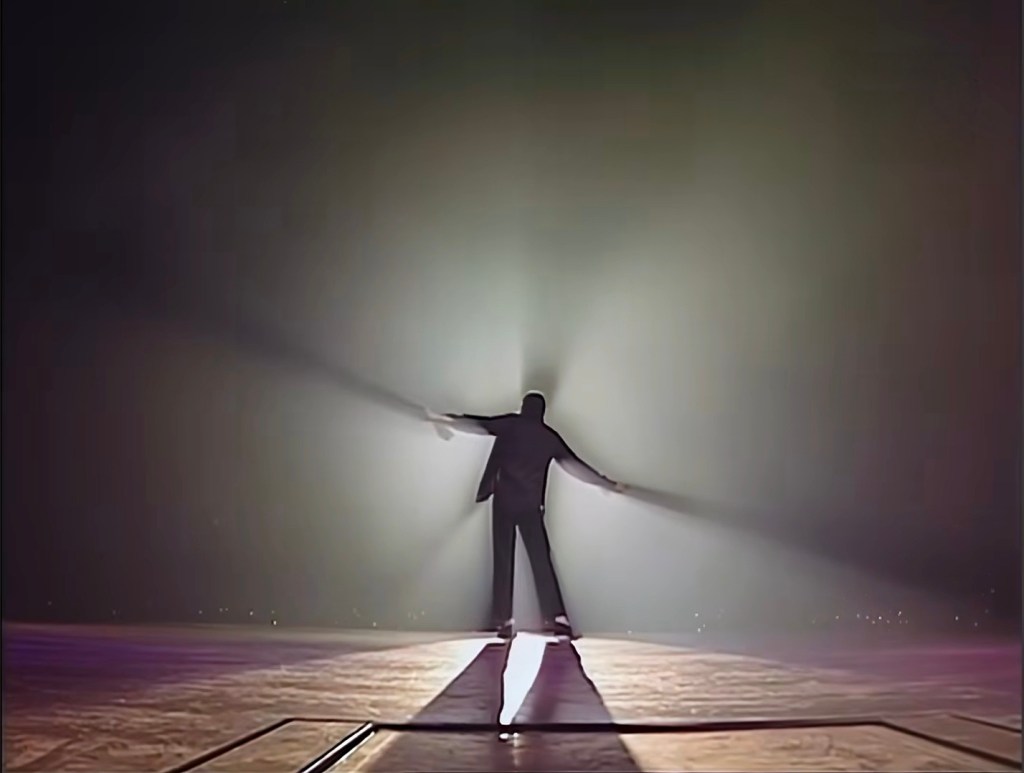
He knew how to control emotional rhythm inside a stadium.
The explosion of audience reaction was not accidental.
It was designed.
From stage entrances to camera timing and crowd psychology, his performances operated like cinematic architecture.
The audience was not simply watching a show.
They were entering an emotional atmosphere.
This philosophy now sits at the center of modern immersive entertainment.
Arena productions,
media art exhibitions,
dome experiences,
and next-generation live environments all seek the same goal:
to make audiences feel physically and emotionally inside the experience.
In many ways, Michael Jackson was already building the emotional language of immersive entertainment decades before the industry had a name for it.
—
IMMERSIVE LAB
Exploring the future of live entertainment and immersive experience.
 IMMERSIVE LAB
댓글 남기기